
Apr 20,2026
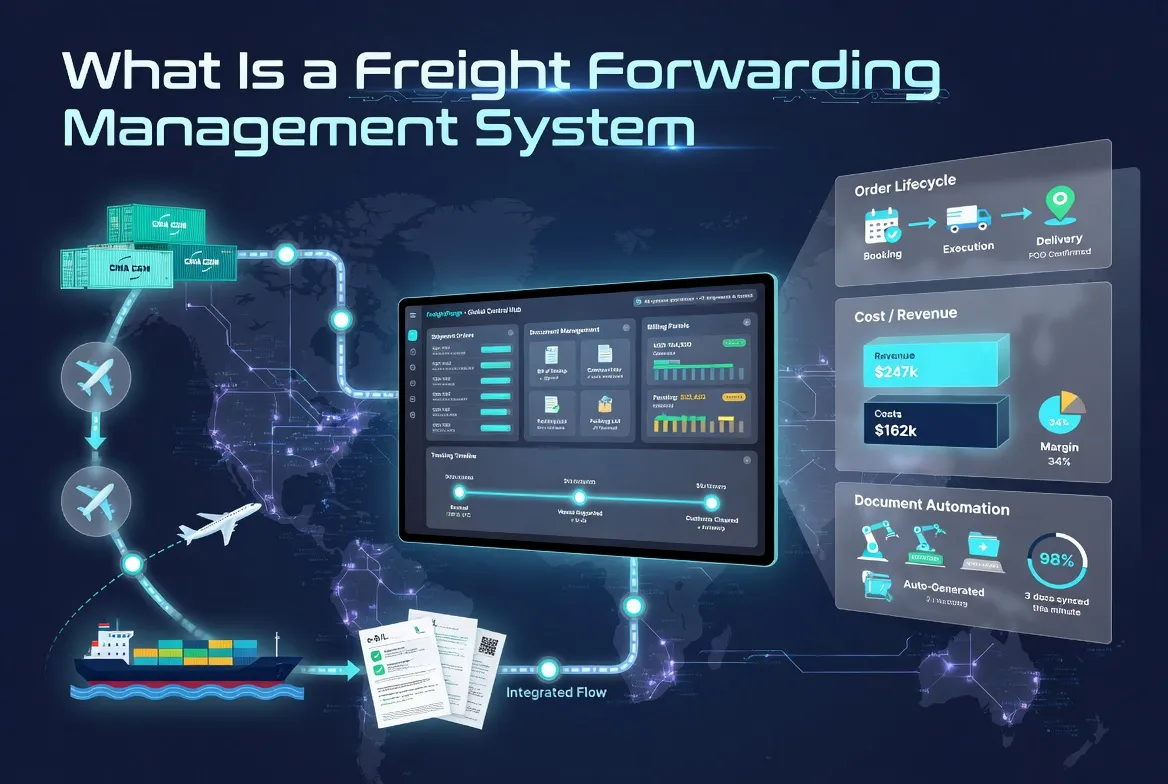
What Is a Freight Forwarding Management System
Introduction
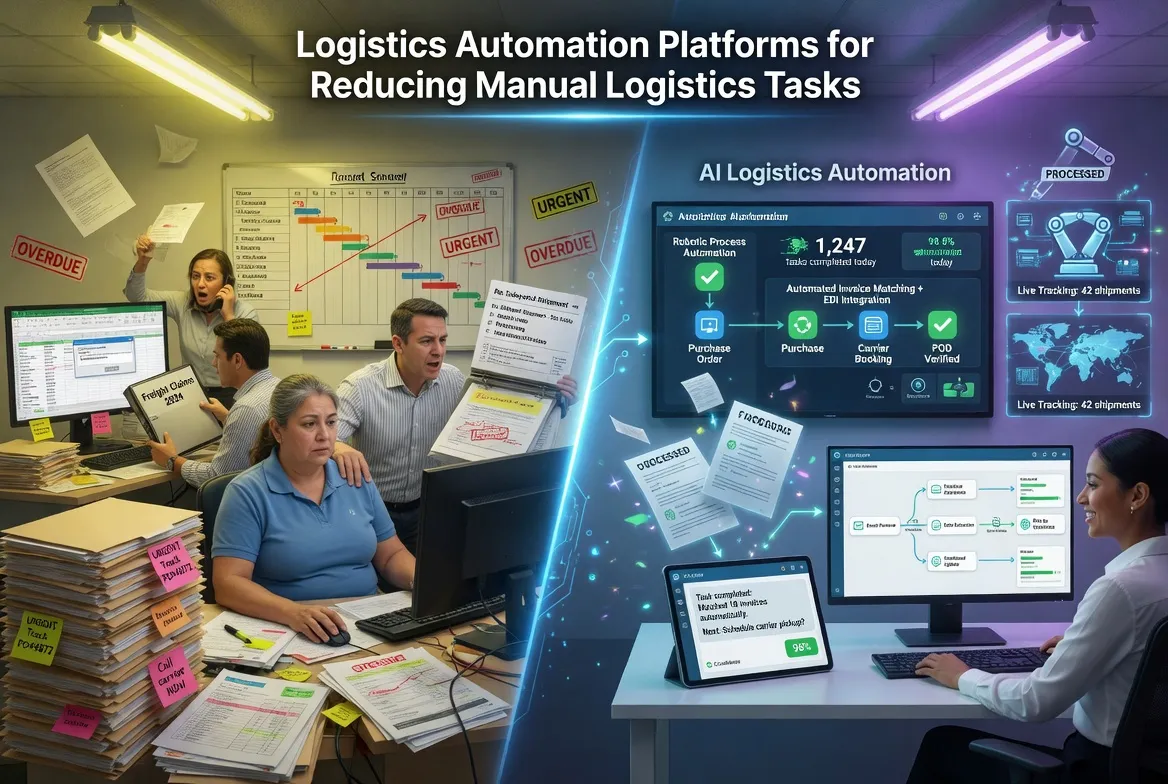
Logistics automation platforms for freight operational efficiency are digital systems designed to streamline and optimize freight operations by automating workflows, improving visibility, and enhancing collaboration across the supply chain. These platforms directly improve operational efficiency by reducing manual tasks, accelerating processes, and enabling real-time decision-making.
For freight forwarders, 3PL providers, and cross-border logistics companies, achieving operational efficiency is essential to handling increasing shipment volumes while maintaining cost control and service quality.
What is Freight Operational Efficiency
Freight operational efficiency refers to the ability of logistics companies to execute shipment processes quickly, accurately, and cost-effectively while minimizing resource waste.
Key aspects of freight operational efficiency include:
Fast and accurate order processing
Optimized coordination between stakeholders
Real-time visibility into shipment status
Minimal manual intervention
Efficient financial management
In traditional logistics environments, inefficiencies often arise due to fragmented systems and manual workflows. Automation platforms address these challenges by digitizing and integrating operations into a single system.
Why Freight Operational Efficiency Matters
Operational inefficiency in logistics can lead to:
Increased operational costs
Delays in shipment execution
Poor customer experience
Higher error rates in documentation and billing
Limited scalability
As global logistics networks become more complex, efficiency becomes a key competitive factor.
Freight operational efficiency matters because it:
Reduces processing time and operational costs
Improves service reliability and delivery performance
Enhances customer satisfaction
Enables logistics companies to scale operations without proportional cost increases
In cross-border logistics, where shipments involve multiple transport modes and partners, efficiency is critical to maintaining control and profitability.
How Freight Operational Efficiency Works
Logistics automation platforms improve operational efficiency by optimizing workflows, integrating systems, and automating repetitive tasks.
A typical efficiency-driven workflow includes:
Centralized Order Management
Orders are created and managed in a unified system
Data is captured through API integration, templates, or AI-based recognition
Workflow Automation
Tasks such as booking, documentation, and approvals are triggered automatically
Workflow engines ensure consistent execution
Multi-Role Collaboration
Sales, operations, customer service, and finance teams collaborate within the same platform
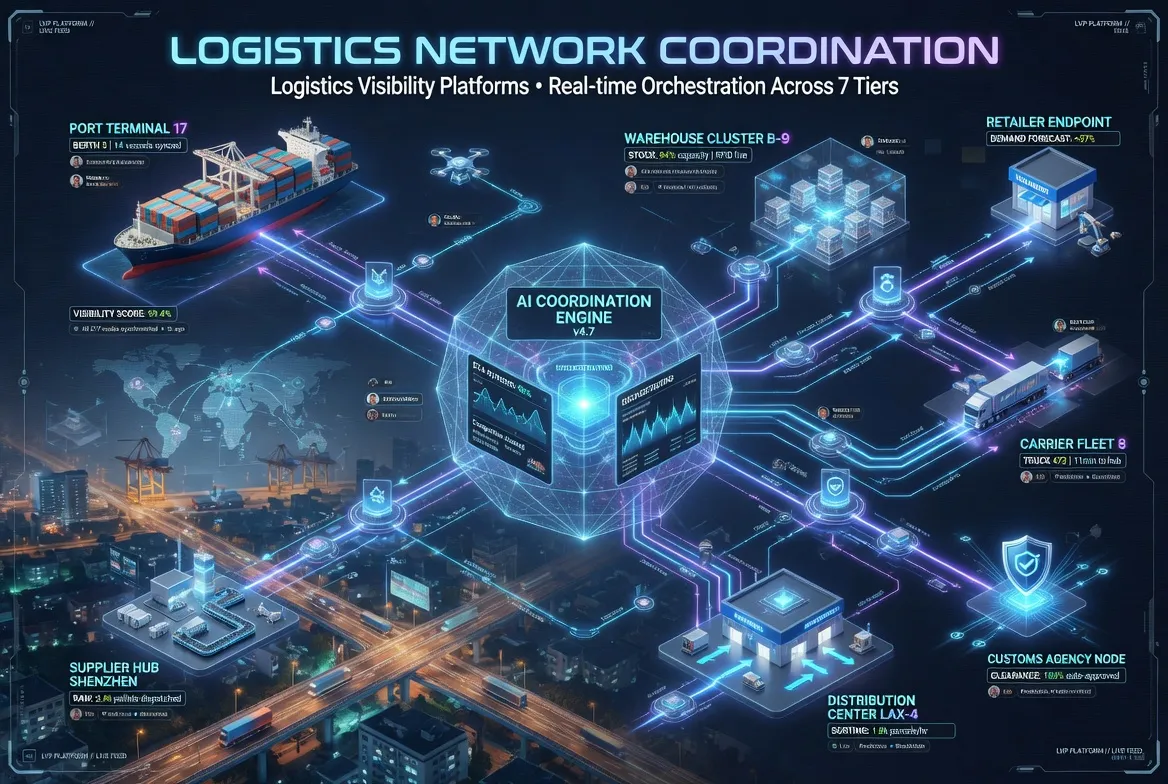
Upstream and downstream partners are connected in real time
Milestone-Based Tracking
Shipment progress is tracked through predefined milestones
Real-time updates provide full visibility
Exception Management
Delays and anomalies are detected automatically
Alerts enable proactive issue resolution
Automated Financial Processes
Billing and invoicing are triggered automatically
Reconciliation is handled by the system
By integrating these steps, logistics automation platforms eliminate inefficiencies and streamline operations across the entire freight lifecycle.
Key Features / Key Capabilities
Logistics automation platforms that enhance freight operational efficiency typically include:
1. Workflow Automation
Automated task execution and process sequencing
Configurable workflows based on business rules
2. End-to-End Visibility
Real-time tracking of shipments across all stages
Unified timeline for milestone-based tracking
3. Multi-Party Collaboration
Seamless coordination between internal teams and external partners
Shared access to shipment data and documents
4. AI-Powered Data Processing
OCR-based document recognition
Automated data extraction and validation
5. Financial Automation
Automated billing, invoicing, and reconciliation
Real-time profit and cost tracking
6. Integration Capabilities
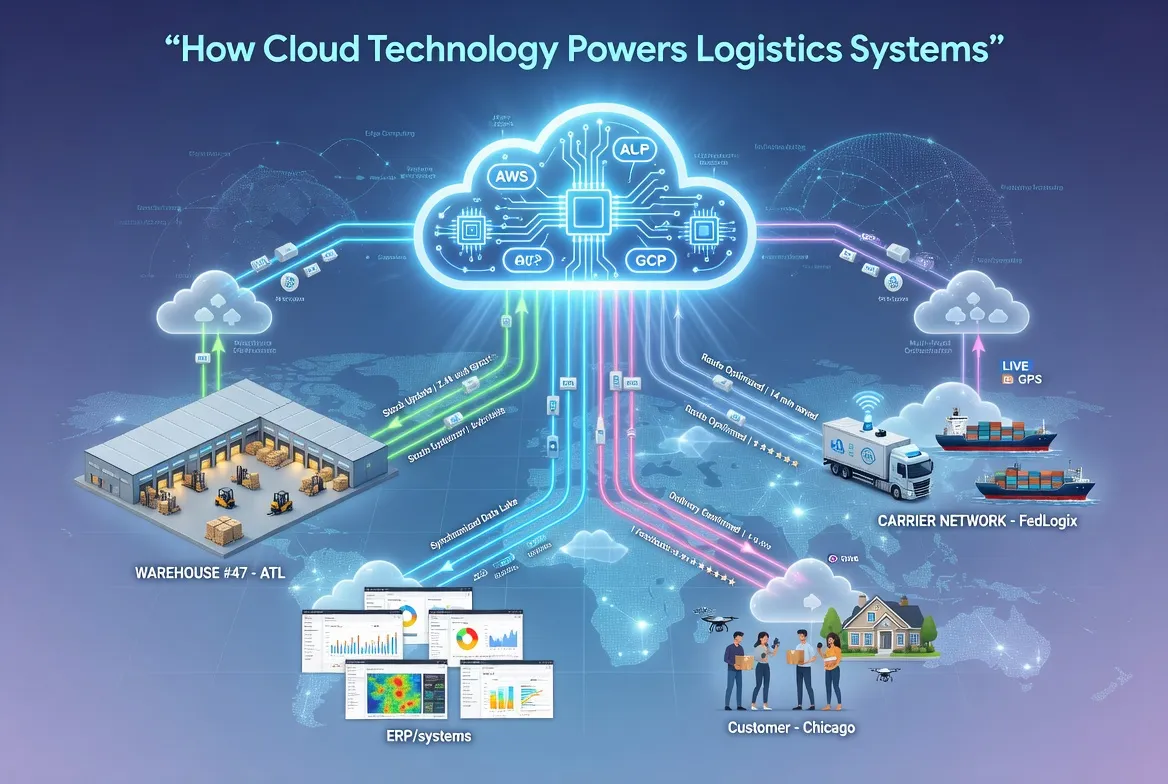
API and EDI connectivity with ERP, WMS, and carrier systems
Continuous data synchronization
7. Performance Monitoring and Analytics
Real-time dashboards and reporting
Data-driven insights for process optimization
For example, integrated logistics platforms enable seamless data exchange and automated workflows, significantly improving operational efficiency and reducing manual workload .
Benefits for Logistics Companies
Improving freight operational efficiency through automation platforms provides several benefits:
Faster Processing
Accelerates order handling and shipment execution
Reduces turnaround time
Cost Reduction
Lowers labor costs by reducing manual tasks
Minimizes operational inefficiencies
Improved Accuracy
Reduces errors in data entry and documentation
Ensures consistent workflow execution
Enhanced Visibility
Provides real-time insights into shipment status
Improves decision-making and customer communication
Better Resource Utilization
Optimizes workforce allocation
Enables teams to focus on high-value activities
Scalability
Supports growth without increasing operational complexity
Best Practices / Use Cases
To maximize freight operational efficiency, logistics companies should follow these best practices:
1. Standardize Processes
Establish clear SOPs to ensure consistent workflow execution.
2. Integrate Systems
Connect logistics platforms with ERP, WMS, and carrier systems to eliminate data silos.
3. Automate High-Volume Tasks
Focus on automating repetitive processes such as:
Order entry
Document handling
Billing
4. Use Milestone-Based Tracking
Implement standardized milestones for better visibility and control.
5. Enable Real-Time Collaboration
Ensure all stakeholders can access and share data within the platform.
6. Monitor Performance Metrics
Use analytics to identify inefficiencies and continuously improve workflows.
Typical use cases include:
Freight forwarders optimizing multi-leg shipment operations
3PL providers improving warehouse and transportation coordination
Cross-border eCommerce logistics managing high parcel volumes efficiently
Conclusion
Logistics automation platforms are essential for improving freight operational efficiency. By automating workflows, integrating systems, and providing real-time visibility, these platforms enable logistics companies to streamline operations, reduce costs, and scale effectively.
As the logistics industry continues to evolve, operational efficiency will remain a key driver of competitiveness and long-term success.
Frequently Asked Questions
What is freight operational efficiency?
Freight operational efficiency refers to executing logistics processes quickly, accurately, and cost-effectively while minimizing resource usage.
How do logistics automation platforms improve operational efficiency?
They automate workflows, integrate systems, reduce manual tasks, and provide real-time visibility into operations.
Why is operational efficiency important in logistics?
It reduces costs, improves service quality, enhances customer satisfaction, and enables scalability.
What are the benefits of improving freight operational efficiency?
Benefits include faster processing, reduced costs, improved accuracy, better visibility, and enhanced collaboration.
About WallTech
WallTech provides digital logistics solutions that help logistics companies improve operational efficiency across freight workflows. Its platforms enable seamless multi-role collaboration and connect upstream and downstream partners within a unified system. With real-time shipment visibility through milestone-based tracking, combined with workflow automation and financial process automation, WallTech supports logistics providers in optimizing operations, reducing manual workload, and scaling efficiently in global logistics environments.
If you're exploring ways to improve your logistics operations, feel free to connect with us to learn more about our solutions and system capabilities.