
Apr 09,2026
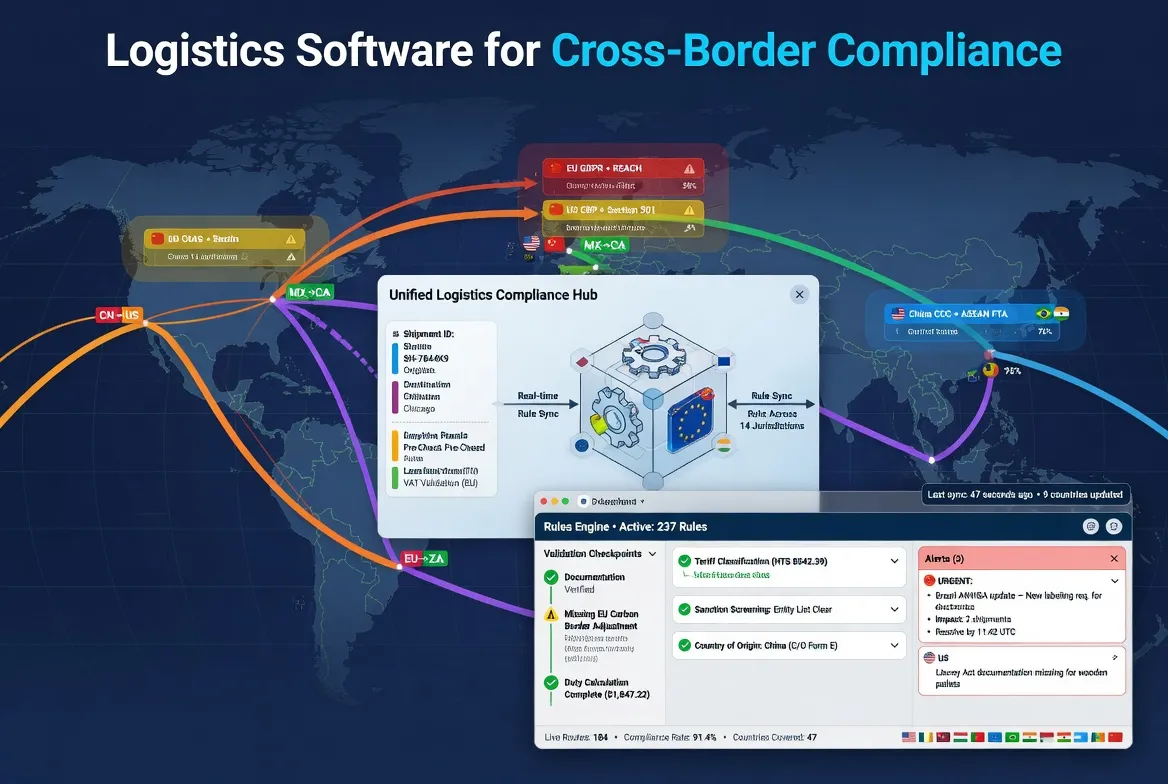
Logistics Software for Cross-Border Compliance
Introduction
Logistics billing and cost management systems are designed to automate the calculation, allocation, and reconciliation of charges associated with shipments, enabling logistics companies to manage revenue and costs accurately and efficiently. These systems ensure that every operational activity—such as transportation, handling, and surcharges—is correctly translated into financial records.
In an industry with complex pricing structures and high transaction volumes, effective billing and cost management are critical for maintaining profitability and financial transparency.
What is a Logistics Billing and Cost Management System
A logistics billing and cost management system is a digital platform that manages all financial aspects of logistics operations, including:
Rate management and quotation
Cost allocation and charge calculation
Invoice generation
Accounts receivable (AR) and accounts payable (AP)
Financial reconciliation
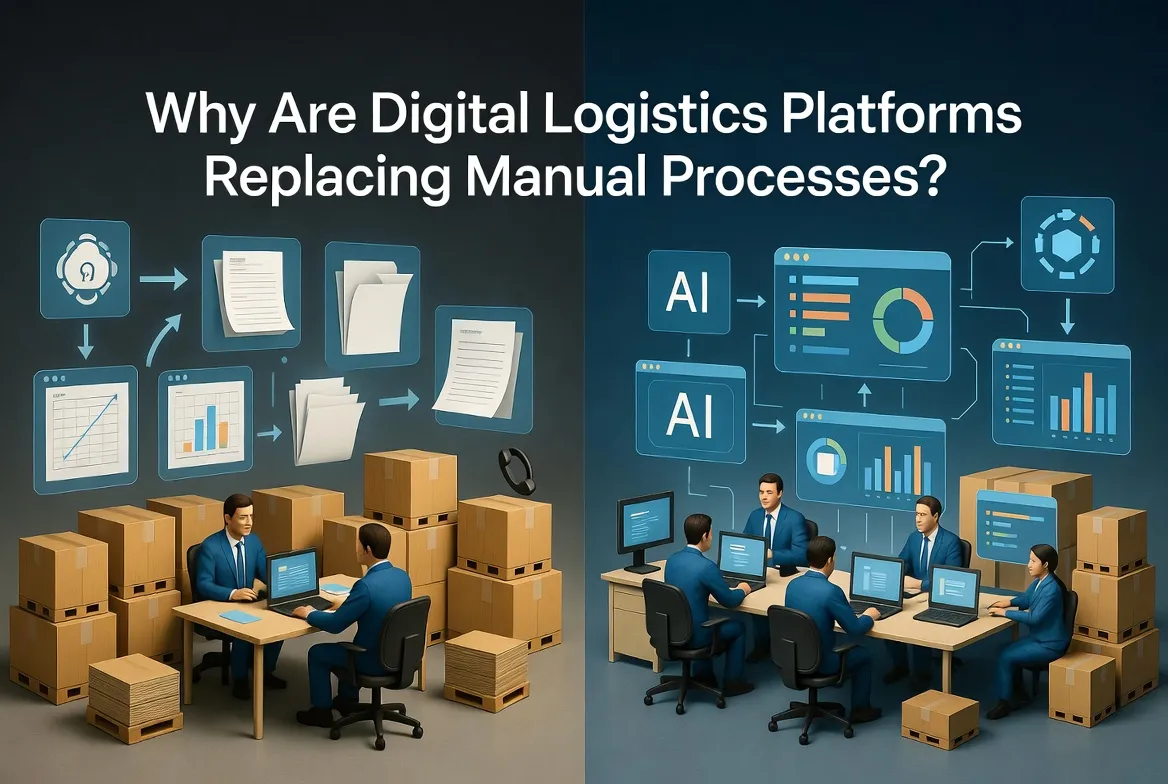
Unlike manual processes that rely on spreadsheets and disconnected tools, these systems integrate financial workflows directly with operational data.
For example, charges can be automatically generated based on shipment milestones, service types, and predefined pricing rules, ensuring consistency and accuracy.
Why Billing and Cost Management Matters
Logistics companies operate in an environment with:
Complex pricing models (multi-leg, multi-currency, surcharges)
High volumes of transactions
Multiple stakeholders (customers, carriers, agents)
Without proper systems, companies often face:
Billing errors and revenue leakage
Delayed invoicing and cash flow issues
Difficulty tracking profitability per shipment
Inefficient reconciliation processes
A robust billing and cost management system addresses these challenges by:
1. Ensuring Financial Accuracy
Automated calculations reduce errors caused by manual input and inconsistent data.
2. Improving Cash Flow
Faster and more accurate invoicing accelerates payment cycles.
3. Enhancing Profit Visibility
Companies can track profitability at:
Shipment level
Customer level
Route or service level
4. Reducing Operational Workload
Automation eliminates repetitive financial tasks and manual reconciliation.
How Logistics Billing and Cost Management Systems Work
These systems operate by linking operational activities with financial processes through automation and rule-based engines.
1. Rate Management and Pricing Rules
The system stores structured rate cards that define:
Freight charges
Surcharges (fuel, peak season, etc.)
Service fees
Pricing rules can be configured based on:
Transport mode
Route
Customer agreements
2. Automatic Cost Allocation
When a shipment is created:
Costs are assigned based on predefined rules
Multiple cost components are calculated automatically
For example:
Ocean freight
Inland transportation
Handling fees
This ensures accurate cost tracking from the beginning.
3. Event-Driven Billing
Billing can be triggered by:
Shipment milestones (e.g., departure, arrival)
Completion of services
Manual or automated approval processes
This ensures that invoices are generated at the right time.
4. Invoice Generation
The system automatically generates:
Customer invoices (AR)
Supplier invoices (AP)
Invoices are:
Based on shipment data
Generated using predefined templates
Linked directly to operational records
5. Multi-Currency and Tax Handling
Logistics systems support:
Multi-currency transactions
Exchange rate management
Tax calculations (e.g., VAT, duties)
This is essential for global operations.
6. Reconciliation and Financial Tracking
Systems automatically:
Match invoices with payments
Track outstanding balances
Reconcile discrepancies
This reduces manual effort and improves financial accuracy.
Key Features / Key Capabilities
A modern logistics billing and cost management system typically includes:
Automated rate and pricing management
Centralized rate cards with flexible pricing rulesEvent-driven billing automation
Invoice generation triggered by shipment activitiesIntegrated AR/AP management
Full control over receivables and payablesMulti-currency and tax support
Handles global financial operationsAutomated reconciliation
Matches invoices and payments efficientlyShipment-level profitability analysis
Tracks revenue and cost per shipmentWorkflow automation for approvals
Ensures financial control and complianceMulti-role collaboration
Connects operations and finance teams within one systemIntegration with operational workflows
Links financial data with shipment execution
These features create a seamless connection between logistics operations and financial management.
Benefits for Logistics Companies
Financial Accuracy
Reduces billing errors and discrepancies
Ensures consistent pricing application
Faster Invoicing
Automates invoice generation
Improves cash flow and payment cycles
Profitability Visibility
Provides real-time insight into margins
Enables data-driven pricing decisions
Operational Efficiency
Eliminates manual financial processes
Reduces administrative workload
Better Collaboration
Aligns finance and operations teams
Ensures consistent data across departments
Scalability
Supports high transaction volumes
Adapts to growing business complexity
Best Practices / Use Cases
Freight Forwarding Billing
Automate:
Multi-leg shipment billing
Surcharge calculations
Customer-specific pricing
Cross-Border Logistics Finance
Handle:
Multi-currency invoicing
Tax and duty calculations
Integrated Operations and Finance
Link:
Shipment execution with financial outcomes
Operational milestones with billing triggers
High-Volume eCommerce Logistics
Manage:
Large numbers of small transactions
Automated billing and reconciliation
Financial Control and Compliance
Implement:
Approval workflows
Audit trails
Role-based access control
Conclusion
Logistics billing and cost management systems are essential for ensuring financial accuracy, improving efficiency, and maintaining profitability in complex logistics operations. By integrating financial processes with operational workflows, these systems provide transparency and control across the entire shipment lifecycle.
As logistics companies scale globally, adopting automated billing and cost management systems becomes critical for sustainable growth.
Frequently Asked Questions
What is a logistics billing and cost management system?
It is a system that automates the calculation, invoicing, and reconciliation of logistics-related costs and revenues.
Why is billing automation important in logistics?
It reduces errors, accelerates invoicing, improves cash flow, and ensures financial accuracy.
How do logistics systems calculate costs?
They use predefined rate cards and pricing rules based on shipment details, routes, and services.
What is automated reconciliation?
It is the process of matching invoices with payments automatically to identify and resolve discrepancies.
Can these systems handle global financial operations?
Yes, they support multi-currency transactions, tax calculations, and international financial workflows.
About WallTech
WallTech provides digital logistics solutions that integrate operational workflows with financial management, enabling logistics companies to streamline billing and cost control. Its platforms support end-to-end logistics collaboration, real-time shipment visibility, and automation capabilities such as AI-driven data recognition, automated billing, and reconciliation. By connecting operations and finance within a unified system, WallTech helps freight forwarders and logistics providers improve financial accuracy, enhance efficiency, and scale their global operations.
If you're exploring ways to improve your logistics operations, feel free to connect with us to learn more about our solutions and system capabilities.