



Apr 07,2026
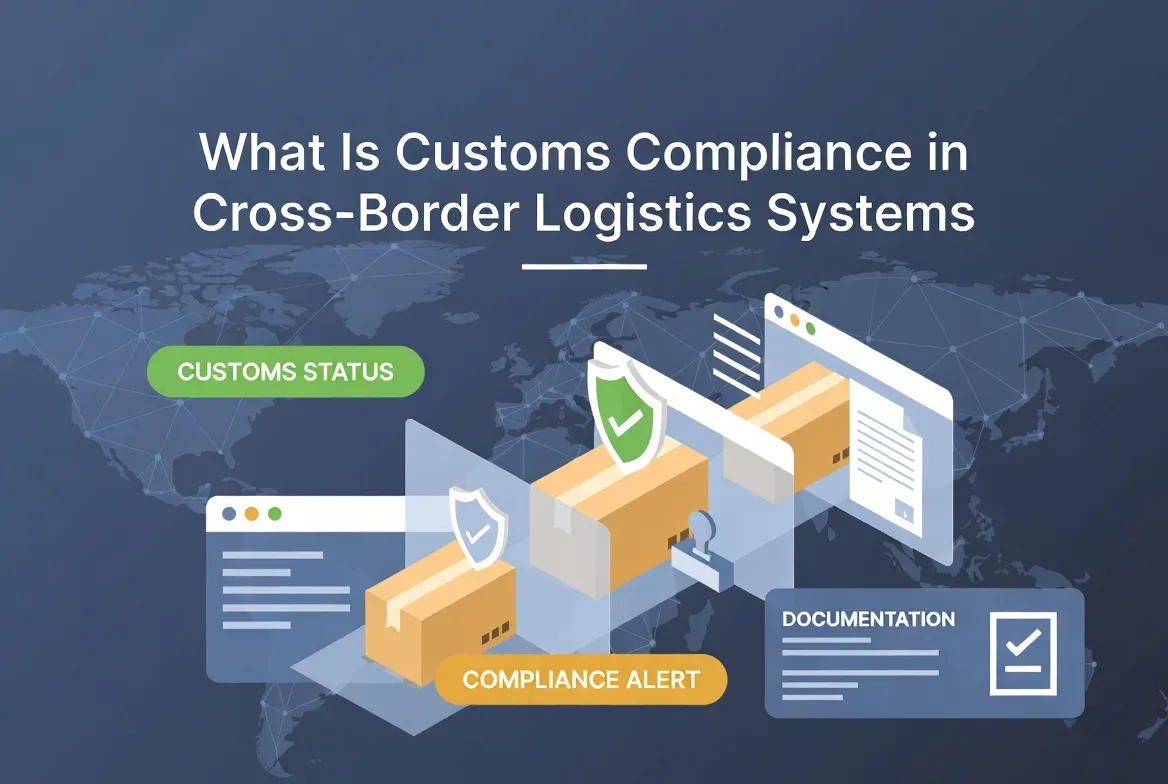
What Is Customs Compliance in Cross-Border Logistics Systems
Introduction
In today’s logistics landscape, data is generated across every operational step—from order creation and warehouse processing to transportation and final delivery. However, when this data is fragmented across multiple systems, it becomes difficult to manage, analyze, and utilize effectively.
Digital systems improve connected logistics data by integrating, synchronizing, and standardizing information across the entire supply chain. This enables organizations to transform disconnected data into a unified, actionable asset that drives efficiency, visibility, and smarter decision-making.
What Is Connected Logistics Data
Connected logistics data refers to integrated and synchronized data that flows seamlessly across different systems, processes, and stakeholders within the supply chain.
It includes data from:
Order and booking systems
Warehouse operations
Transportation and carrier systems
Tracking and event updates
Financial and billing systems
External partners and service providers
When properly connected, this data provides a complete and real-time view of logistics operations.
Why Connected Logistics Data Matters
1. Eliminating Data Fragmentation
Disconnected data leads to inefficiencies and errors. Connected data ensures consistency across all systems.
2. Enabling Real-Time Visibility
Companies can monitor operations in real time, improving responsiveness and control.
3. Supporting Data-Driven Decisions
Unified data allows for better analysis and more accurate decision-making.
4. Enhancing Collaboration
All stakeholders can access shared data, improving coordination across the supply chain.
5. Improving Operational Efficiency
Automation and integration reduce manual work and streamline processes.
How Digital Systems Improve Connected Logistics Data
1. System Integration
Digital platforms connect multiple systems—such as ERP, WMS, and transportation systems—enabling seamless data exchange.
2. Real-Time Data Synchronization
Data updates are automatically reflected across all connected systems, ensuring consistency.
3. Centralized Data Management
A unified platform acts as a central hub, aggregating and distributing data across the organization.
4. Multi-Source Data Aggregation
Data from various sources, including carriers and external partners, is combined into a single view.
5. Standardization and Structuring
Digital systems standardize data formats, making it easier to process and analyze.
For example, advanced logistics platforms integrate multiple systems and enable continuous data synchronization, ensuring that operational data remains consistent and connected across the entire supply chain.
Key Features of Digital Systems for Connected Data
1. Unified Data Platform
Provides a single source of truth for all logistics data.
2. Real-Time Data Updates
Ensures that all systems reflect the latest information instantly.
3. Multi-System Integration
Supports connections with internal and external systems.
4. Data Transformation Capabilities
Converts data into standardized formats for compatibility.
5. Role-Based Access Control
Ensures secure and controlled access to data.
6. Monitoring and Alerts
Tracks data flows and identifies issues in real time.
7. Analytics and Reporting
Enables performance analysis and continuous improvement.
Benefits of Connected Logistics Data
1. Improved Efficiency
Automation reduces manual processes and accelerates workflows.
2. Enhanced Visibility
Companies gain a comprehensive view of their operations.
3. Faster Decision-Making
Real-time data enables quick responses to changes and disruptions.
4. Reduced Errors
Consistent data minimizes discrepancies and operational risks.
5. Better Collaboration
Shared data improves coordination between teams and partners.
6. Scalable Operations
Connected systems support growth without increasing complexity.
Conclusion
Digital systems play a crucial role in improving connected logistics data by integrating, synchronizing, and standardizing information across the supply chain. This transformation enables companies to move from fragmented data environments to fully connected, data-driven operations.
As logistics continues to evolve, organizations that invest in digital systems for connected data will be better equipped to optimize performance, enhance visibility, and maintain a competitive advantage in an increasingly complex global market.

.webp "What Is Logistics Rate Management and Why It Matters")
.webp "What Is a Logistics Customer Portal")


