

Oct 27,2023
Parcel+Post Expo: 2023 Walltech Make Logistics Sailing Easy and Worry-Free
Introduction (direct answer + context)
Freight financial platforms for logistics financial visibility are systems that provide real-time, end-to-end insight into revenue, costs, cash flow, and profitability across logistics operations. These platforms unify operational and financial data, allowing freight forwarders, 3PLs, and cross-border logistics providers to monitor financial performance at shipment, customer, and business levels. In an industry characterized by complex workflows and fragmented data, financial visibility is essential for maintaining control, improving decision-making, and driving profitability.
What is Logistics Financial Visibility
Logistics financial visibility refers to the ability to access, monitor, and analyze financial data across all logistics operations in real time.
This includes visibility into:
Revenue generated from shipments and services
Costs associated with transportation, warehousing, and handling
Profit margins at different levels (shipment, route, customer)
Cash flow status (receivables and payables)
Financial performance across branches and regions
Freight financial platforms enable this visibility by consolidating data from multiple sources into a unified system, eliminating data silos and delays.
Why Logistics Financial Visibility Matters
Lack of financial visibility is a common challenge in logistics due to:
Disconnected systems for operations and finance
Manual data consolidation processes
Delayed financial reporting
Limited transparency across departments
These issues can result in:
Poor decision-making due to outdated or incomplete data
Hidden financial risks and inefficiencies
Difficulty managing cash flow
Reduced ability to optimize operations
Financial visibility addresses these challenges by providing:
Real-time insights into financial performance
Transparency across all operational and financial activities
Data-driven decision-making capabilities
This allows companies to proactively manage their business rather than react to issues after they occur.
How Logistics Financial Visibility Works
Freight financial platforms deliver financial visibility through integrated processes:
1. Data Integration
The platform connects multiple systems and data sources:
Operational systems (TMS, WMS, OMS)
Financial systems and accounting tools
External partners and service providers
Data is synchronized in real time to ensure accuracy and consistency.
2. Unified Data Model
All financial and operational data is structured into a unified format:
Linking revenue and cost to specific shipments
Associating financial transactions with operational milestones
Consolidating multi-entity and multi-currency data
This creates a single source of truth.
3. Real-Time Monitoring
Financial data is continuously updated as operations progress:
Revenue and cost updates linked to shipment events
Real-time tracking of receivables and payables
Continuous visibility into profit margins
4. Visualization and Dashboards
The platform provides dashboards and reports that display:
Key financial metrics (revenue, cost, profit)
Performance by shipment, customer, or route
Trends and anomalies
5. Alerts and Exception Management
Automated alerts notify users of:
Cost overruns
Delayed payments
Abnormal financial patterns
This enables quick response and issue resolution.
Key Features / Key Capabilities
Freight financial platforms for financial visibility typically include:
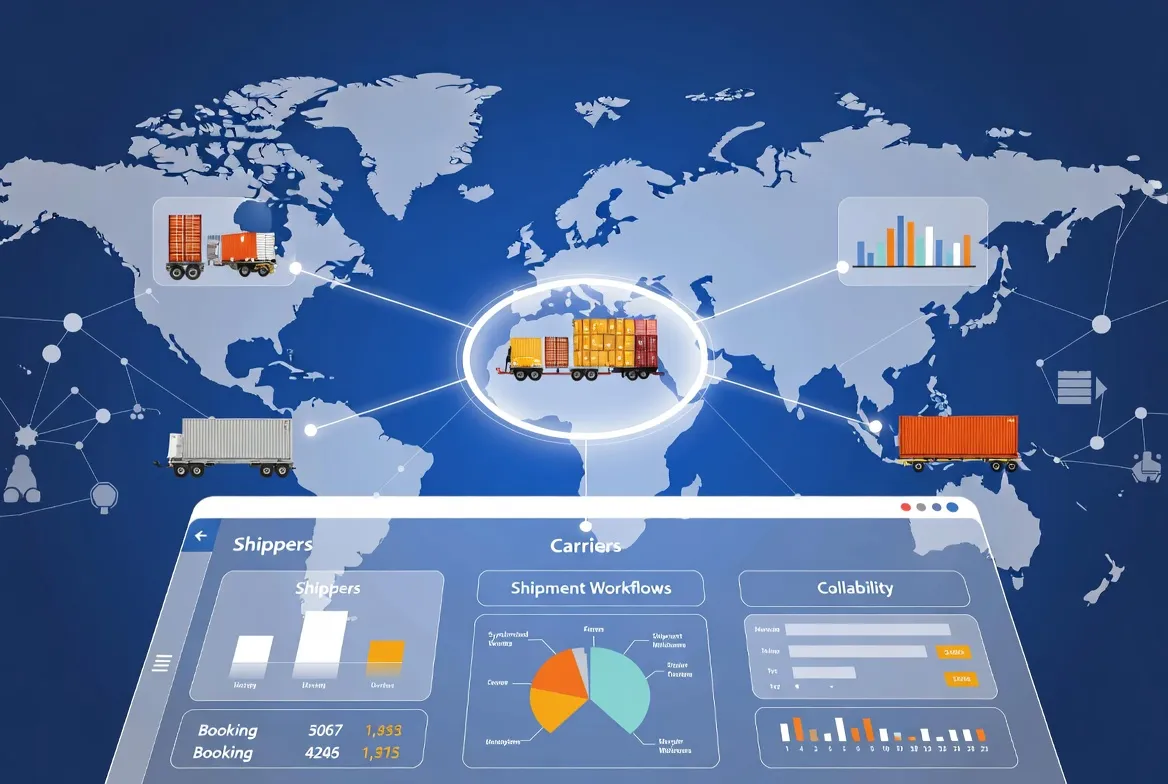
Real-Time Financial Dashboards
Comprehensive view of revenue, costs, and profit
Customizable dashboards for different roles
Multi-dimensional analysis (shipment, customer, region)
End-to-End Visibility
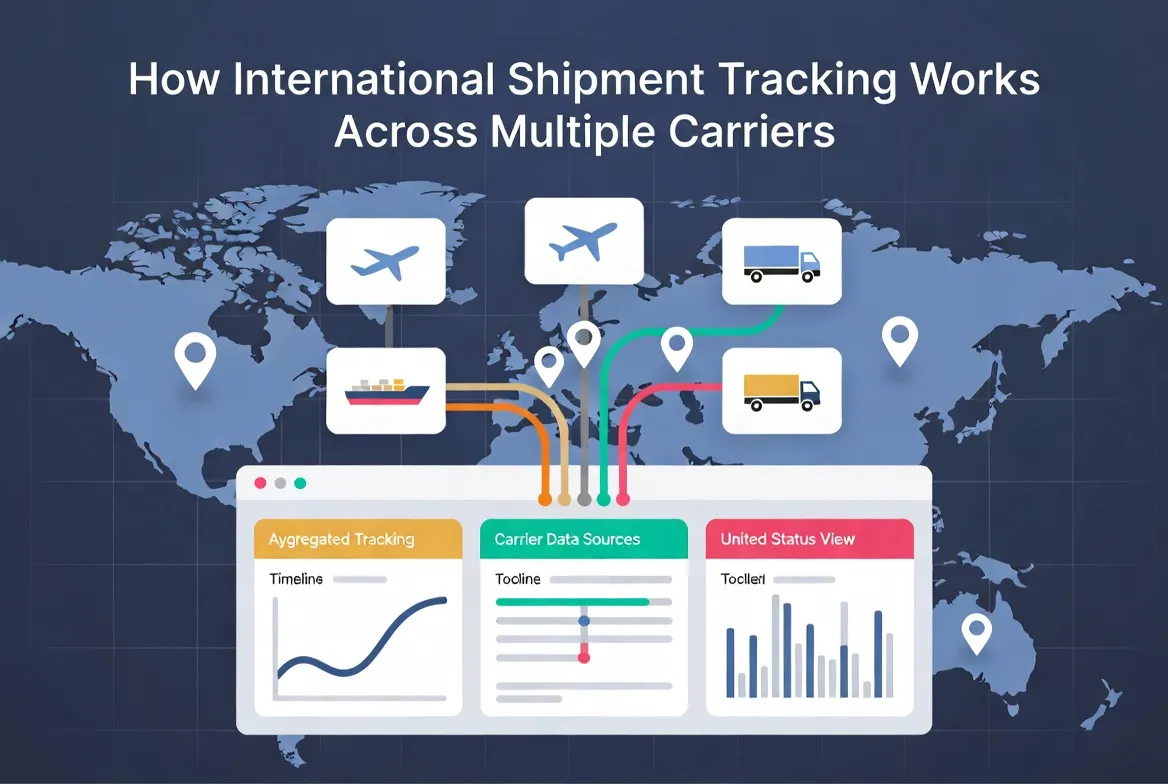
Linking financial data with shipment milestones
Unified timeline for operational and financial events
Full lifecycle tracking of financial performance
Automation and Data Accuracy
Automated data capture from operations
AI-driven document recognition (OCR)
Automated reconciliation processes
Multi-Role Collaboration
Shared visibility across operations, finance, and management teams
Integration with upstream and downstream partners
Role-based access to financial data
Integration and Connectivity
API integration with ERP, WMS, and external systems
Real-time data synchronization
Seamless connection across multiple platforms
These capabilities ensure that financial visibility is accurate, timely, and actionable.
Benefits for Logistics Companies
Better Decision-Making
Real-time insights enable faster and more informed business decisions.
Improved Financial Control
Companies can monitor financial performance continuously and identify issues early.
Enhanced Profitability
Visibility into cost and revenue allows for better margin optimization.
Increased Transparency
Shared financial data improves collaboration across departments and partners.
Reduced Risk
Early detection of financial anomalies helps mitigate potential risks.
Best Practices / Use Cases
1. Shipment-Level Financial Tracking
Monitor revenue, cost, and profit for each shipment in real time.
2. Multi-Branch Financial Visibility
Gain consolidated insights across multiple offices, regions, or entities.
3. Cash Flow Monitoring
Track receivables and payables to manage cash flow effectively.
4. Cross-Border Operations
Handle multi-currency and international financial data within a unified system.
5. Exception Management
Use automated alerts to identify and resolve financial discrepancies quickly.
Conclusion
Logistics financial visibility is essential for managing complex operations and maintaining profitability in the logistics industry. Freight financial platforms provide the tools needed to unify data, automate processes, and deliver real-time insights into financial performance. By enabling transparency and control, these platforms help logistics companies improve efficiency, reduce risk, and make data-driven decisions that support long-term growth.
Frequently Asked Questions
What is logistics financial visibility?
Logistics financial visibility is the ability to monitor and analyze financial data across logistics operations in real time.
How do freight financial platforms provide financial visibility?
They integrate operational and financial data, automate data capture, and present insights through dashboards and reports.
Why is financial visibility important in logistics?
It enables better decision-making, improves financial control, and helps identify inefficiencies and risks early.
What are the benefits of financial visibility systems?
Benefits include improved transparency, enhanced profitability, reduced risk, and more efficient operations.
Who needs logistics financial visibility platforms?
Freight forwarders, 3PL providers, and cross-border logistics companies benefit from real-time financial insights.
About WallTech
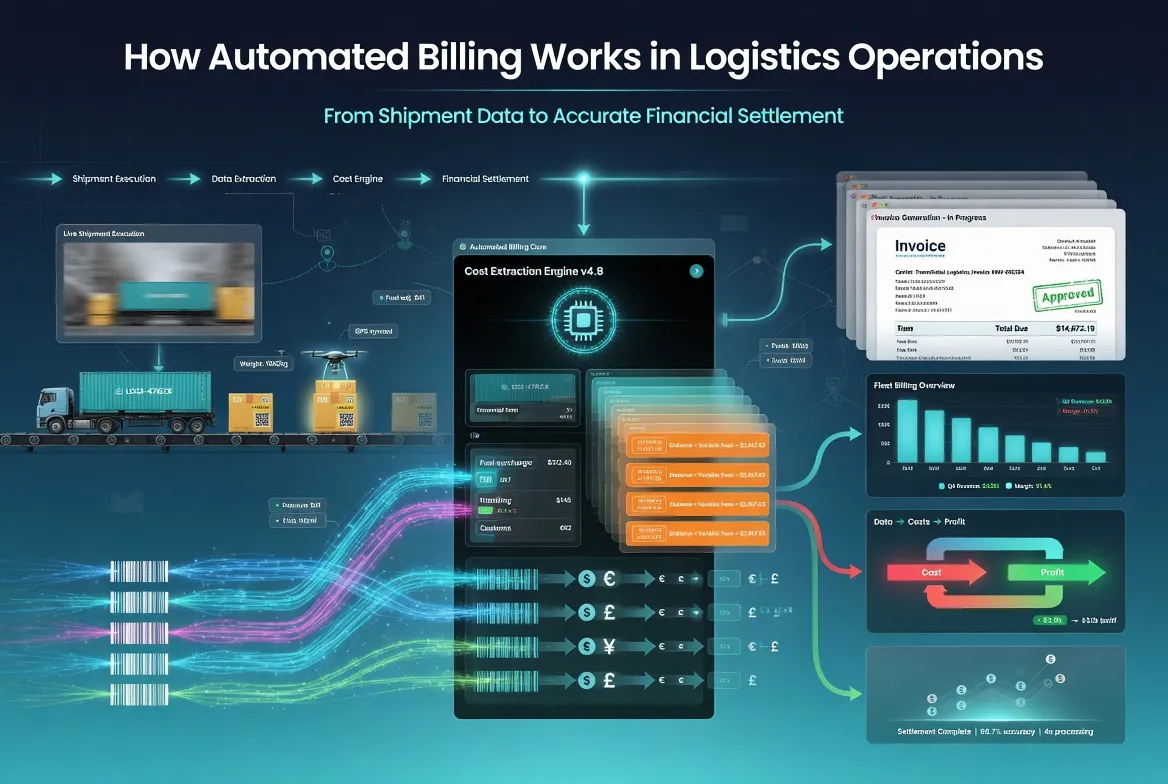
WallTech provides digital logistics solutions designed to deliver real-time visibility across both operations and financial workflows. By connecting shipment data with financial processes, the platform enables end-to-end transparency and collaboration across multiple roles. With capabilities such as milestone-based tracking, automated billing, real-time financial dashboards, and intelligent workflow automation, WallTech helps logistics companies gain full financial visibility, improve decision-making, and scale their operations efficiently in global markets.
If you're exploring ways to improve your logistics operations, feel free to connect with us to learn more about our solutions and system capabilities.