



May 15,2026
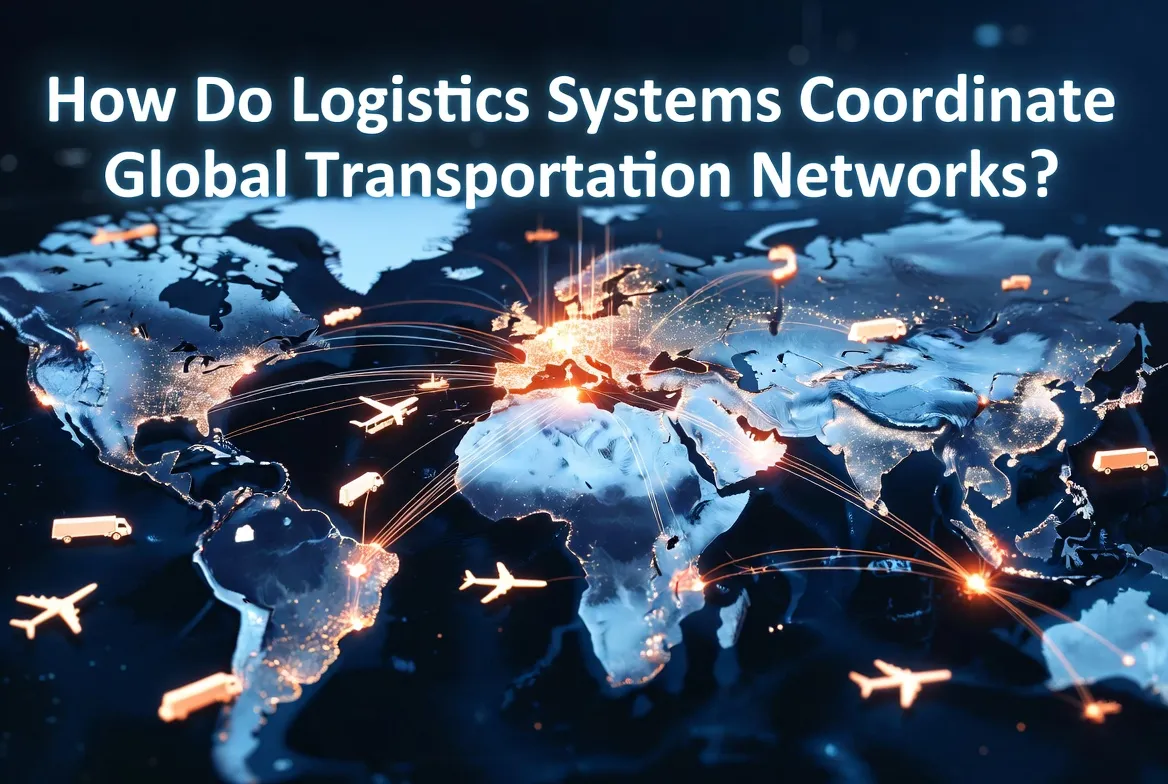
How Do Logistics Systems Coordinate Global Transportation Networks?
Introduction
Logistics alert and notification systems are designed to automatically inform stakeholders about important events, risks, or exceptions in shipment operations. These systems work by monitoring shipment data in real time, detecting predefined conditions such as delays or missing milestones, and triggering alerts to the right people at the right time.
In modern logistics, where operations are complex and time-sensitive, effective alert and notification systems are essential for maintaining visibility, improving response speed, and ensuring smooth coordination across teams and partners.
What Are Logistics Alert and Notification Systems
Logistics alert and notification systems are digital tools that provide automated communication based on operational events or exceptions.
They are commonly used to notify stakeholders about:
Shipment delays or disruptions
Missed or overdue milestones
Customs clearance issues
Documentation errors
Delivery status updates
Financial or billing events
These systems ensure that critical information is delivered instantly, reducing reliance on manual monitoring and communication.
Why Alert and Notification Systems Matter
1. Enable Real-Time Awareness
Teams are immediately informed of important events, allowing faster action.
2. Improve Operational Efficiency
Automated notifications reduce the need for manual tracking and follow-ups.
3. Enhance Collaboration
All stakeholders receive consistent and timely information.
4. Reduce Risks
Early alerts help prevent minor issues from becoming major disruptions.
5. Improve Customer Experience
Customers can receive timely updates, improving transparency and trust.
How Logistics Alert and Notification Systems Work
1. Event Monitoring
The system continuously monitors shipment data and operational activities, including:
Shipment milestones
Status updates from carriers
Internal workflow progress
External partner inputs
2. Rule-Based Triggering
Alerts are triggered based on predefined rules, such as:
Delay beyond a specified threshold
Missing milestone updates
Data inconsistencies
Exception conditions
3. Automated Notification Delivery
Once triggered, notifications are sent to relevant stakeholders via:
System dashboards
Email
Messaging platforms
Mobile notifications
4. Role-Based Targeting
Notifications are directed to specific roles, such as:
Operations teams for execution issues
Customer service teams for communication
Finance teams for billing-related events
5. Integration with Workflows
Alerts are often linked to workflows that:
Assign tasks
Trigger escalation procedures
Update shipment status
This ensures that notifications lead to action.
Key Features of Logistics Alert and Notification Systems
Real-time monitoring and alerts
Instant detection and notification of events and exceptionsRule-based configuration
Customizable conditions for triggering alertsMulti-channel communication
Notifications via email, dashboards, and messaging toolsRole-based delivery
Targeted alerts for specific users or teamsIntegration with shipment tracking
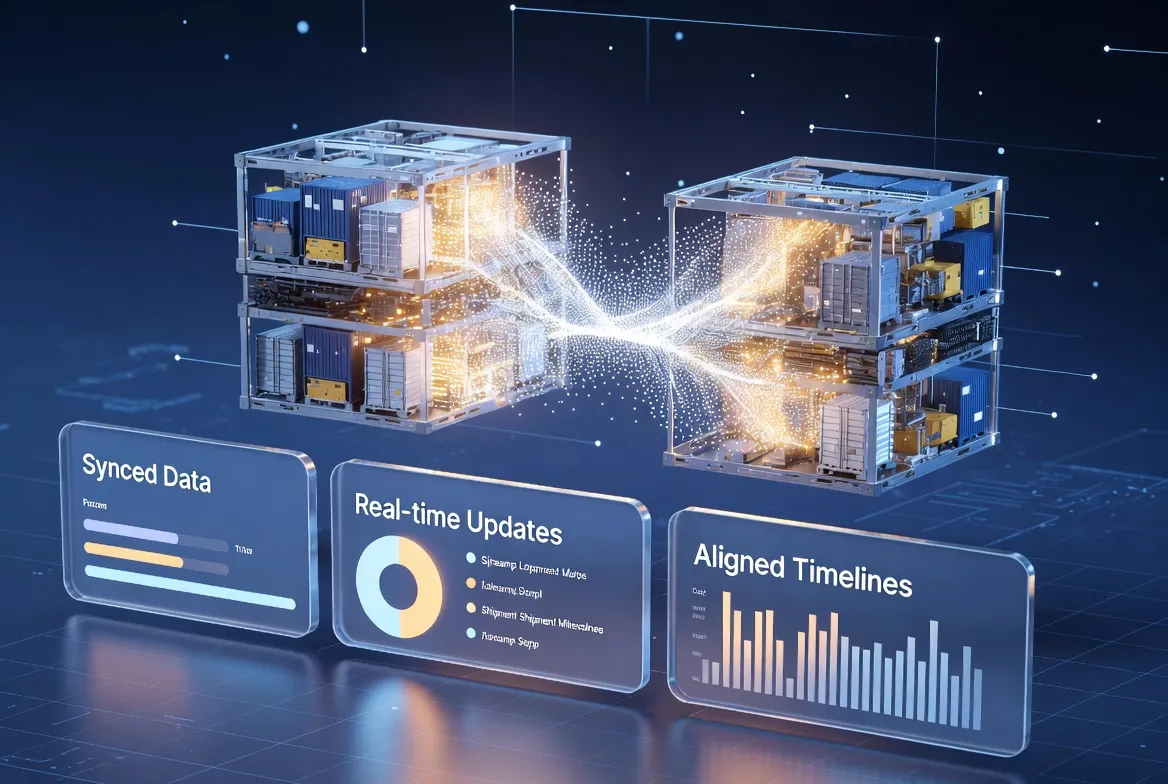
Alignment with milestone-based tracking and unified timelinesWorkflow integration
Automatic task assignment and escalationCentralized notification management
Unified control over all alerts and communicationAudit and tracking capabilities
Visibility into alert history and response actions
Benefits for Logistics Companies
1. Faster Response Time
Immediate alerts enable quick action on issues.
2. Improved Operational Control
Centralized notifications provide better oversight of operations.
3. Enhanced Collaboration
All stakeholders receive consistent and timely information.
4. Reduced Manual Work
Automation eliminates the need for constant monitoring.
5. Better Customer Communication
Customers can be proactively informed about shipment status and issues.
Best Practices / Use Cases
1. Define Clear Alert Rules
Set thresholds for delays, missing updates, and exceptions.
2. Use Role-Based Notifications
Ensure alerts are sent to the right teams for faster resolution.
3. Integrate with Core Systems
Connect alerts with tracking, ERP, and operational systems.
4. Automate Escalation Processes
Ensure critical issues are escalated appropriately.
5. Monitor and Optimize Alerts
Analyze alert performance to reduce noise and improve effectiveness.
Conclusion
Logistics alert and notification systems are essential for managing complex and time-sensitive operations. By providing real-time updates and enabling rapid response, these systems help logistics companies maintain control, reduce risks, and improve efficiency.
As logistics operations continue to evolve, implementing advanced alert and notification systems will be key to achieving greater visibility, responsiveness, and operational excellence.
Frequently Asked Questions
What are logistics alert and notification systems?
They are systems that automatically notify stakeholders about shipment events, risks, or exceptions.
How do alert systems work in logistics?
They monitor data, detect predefined conditions, and trigger notifications to relevant users.
Why are alert systems important?
They enable faster response, improve visibility, and reduce operational risks.
What types of alerts are common in logistics?
Delay alerts, milestone updates, customs issues, and delivery notifications.
What are the benefits of notification systems?
Improved efficiency, better collaboration, faster response, and enhanced customer experience.
About WallTech
WallTech provides digital logistics solutions that include advanced alert and notification capabilities to support real-time operations. Its platforms enable end-to-end collaboration by connecting internal teams and external partners within a unified system, ensuring that critical information is shared instantly. With milestone-based tracking and unified shipment timelines, logistics companies can trigger alerts based on real-time events and maintain full operational visibility. The system also incorporates automation capabilities such as AI-driven data recognition, workflow automation, and automated billing and reconciliation, helping businesses improve response speed, reduce manual effort, and enhance overall efficiency.
If you're exploring ways to improve your logistics operations, feel free to connect with us to learn more about our solutions and system capabilities.
.webp "Key Capabilities of Operational Freight Visibility Solutions")


