Jan 05,2024
New Forecast for Global Freight Logistics: Ocean Freight Rates in 2024 - 1
Over the past decade, freight forwarding has transitioned from paper-based operations to digital systems. However, in 2026, digitization alone is no longer a competitive advantage. Most forwarders already use software. The real question is: does your system actively drive efficiency, or does it simply record transactions?
The Hidden Bottleneck in Modern Freight Forwarding
Despite widespread system adoption, many logistics companies still face:
Fragmented data across departments
Repetitive manual entry
Delayed inquiry responses
Disconnected rate and schedule information
Limited real-time visibility across branches
When global supply chains become more volatile, operational delays translate directly into margin erosion.
Forwarders do not lose profitability because of volume decline. They lose profitability because of inefficiency.
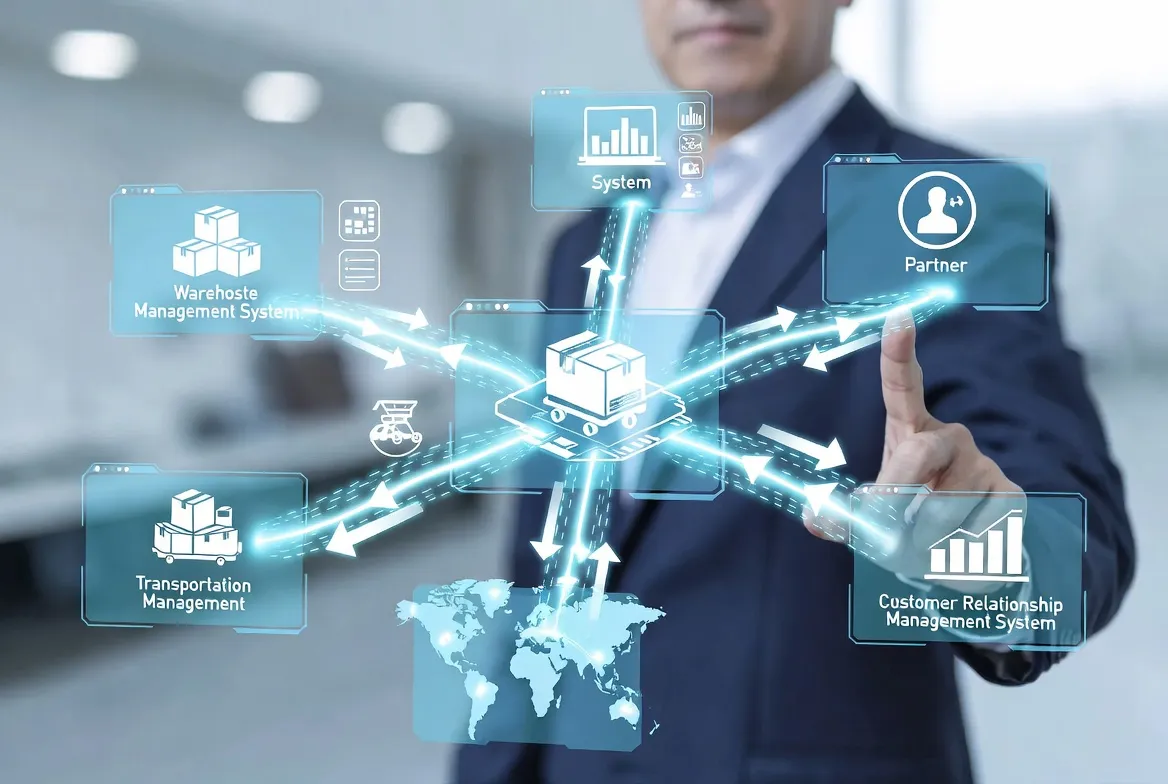
From System of Record to System of Orchestration
Traditional freight systems function as databases. They store shipment information, generate documents, and record billing.
The next generation of logistics platforms must do more. They must:
Connect upstream and downstream partners
Synchronize rate, schedule, and booking data
Trigger automated workflows
Alert users before risks escalate
Support cross-branch collaboration under unified standards
This is where AI-powered orchestration becomes critical.
CargoWare: Standardized Workflow, Built for Scale
CargoWare is designed as a cloud-native freight forwarding management system supporting:
Sea, air, land, and multimodal operations
Multi-branch organizational structures
Integrated finance and billing logic
SOP-driven milestone control
Automated reconciliation and credit control
EDI/API connectivity with carriers and partners
Through its Intelligent SOP Engine, the system proactively pushes task reminders, alerts overdue milestones, and standardizes operations across teams.
Instead of depending on individual experience, processes become system-driven and measurable.
CargoWareX: AI-Powered Rate & Sales Intelligence
While CargoWare optimizes operational execution, CargoWareX focuses on commercial efficiency.
Key capabilities include:
AI-based rate parsing from Excel, PDF, or email formats
Structured rate management with version control
Intelligent inquiry-to-quotation workflows
AI-generated sales content for standardized communication
Natural language rate search
Integrated “Inquiry–Quote–Order” data flow
Instead of spending hours manually entering rate sheets, teams can upload files and let AI extract structured data automatically.
Instead of switching between systems, commercial and operational data stay synchronized.
eTower: Cross-Border E-commerce Logistics Collaboration
For cross-border eCommerce and parcel logistics, eTower connects:
150+ last-mile carriers
Multiple cross-border platforms
ERP systems
Overseas warehouses
Customs clearance services
It supports:
Smart routing rules
Real-time tracking
Credit control and wallet management
Multi-role collaboration
End-to-end visibility across transportation segments
As parcel volumes scale, operational complexity grows. Visibility and structured data exchange become the foundation of resilience.
Built on Secure Cloud Infrastructure
WallTech’s systems are built on globally deployed cloud architecture, enabling:
Cross-region access
Unified data synchronization
High availability
Scalable performance
For global logistics enterprises, system stability is not optional. It is foundational.
The Strategic Shift
The next era of freight forwarding is not about adding more headcount.
It is about:
Automating repetitive workflows
Standardizing global collaboration
Connecting ecosystems
Turning operational data into decision intelligence
Digitization was step one.
Orchestration is step two.
AI-enabled orchestration is step three.
Forwarders who embrace this shift will operate faster, respond smarter, and scale sustainably.
.webp "How Freight Financial Management Improves Logistics Operations")