What is RPA? How Robotic Process Automation Works in Logistics
What is RPA, and how does it work in logistics operations?
Robotic Process Automation (RPA) is a software-based technology that automates repetitive, rule-based digital tasks.
In this video, we explain how RPA works and how it is applied within WallTech’s system products to automate freight rate retrieval and comparison.
By reducing manual workload, RPA allows logistics teams to focus on higher-value decisions and operational control.
This video is part of the WallTech AI Series, exploring how intelligent applications are transforming logistics management.
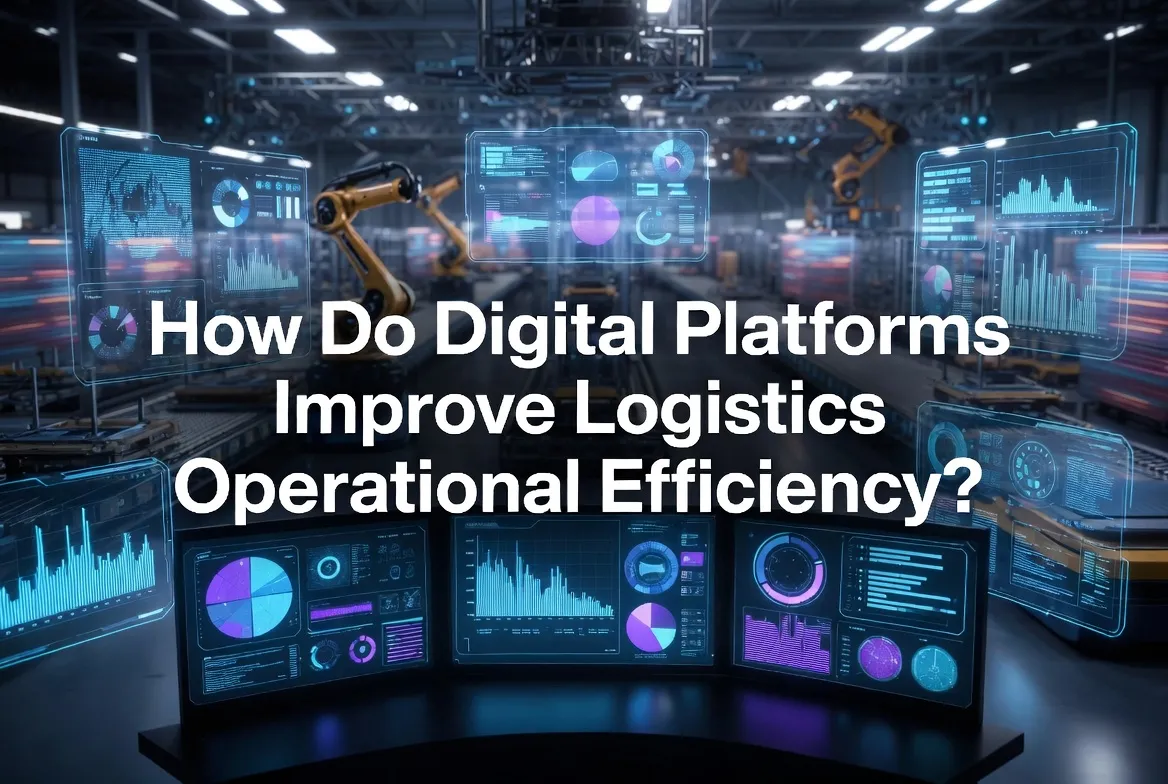
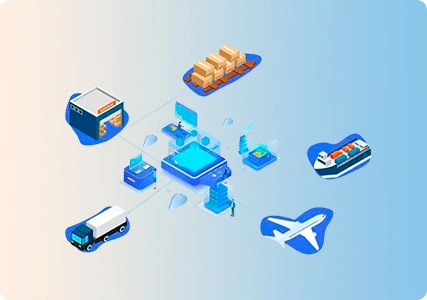
Digital platforms improve logistics operational efficiency by centralizing data, automating workflows, enabling real-time visibility, and facilitating seamless collaboration across all stakeholders in the supply chain.
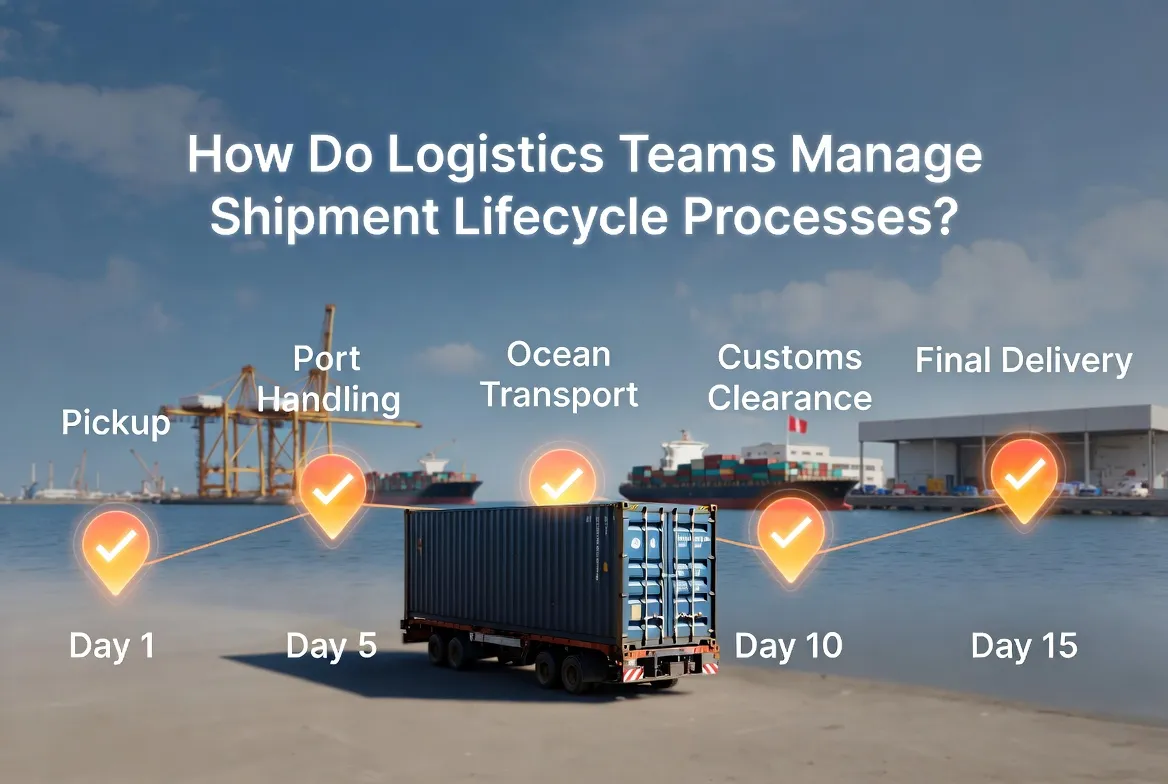
Logistics teams manage shipment lifecycle processes by structuring and controlling each stage of a shipment—from order creation to final delivery and financial settlement—through standardized workflows, real-time tracking, and digital collaboration tools.
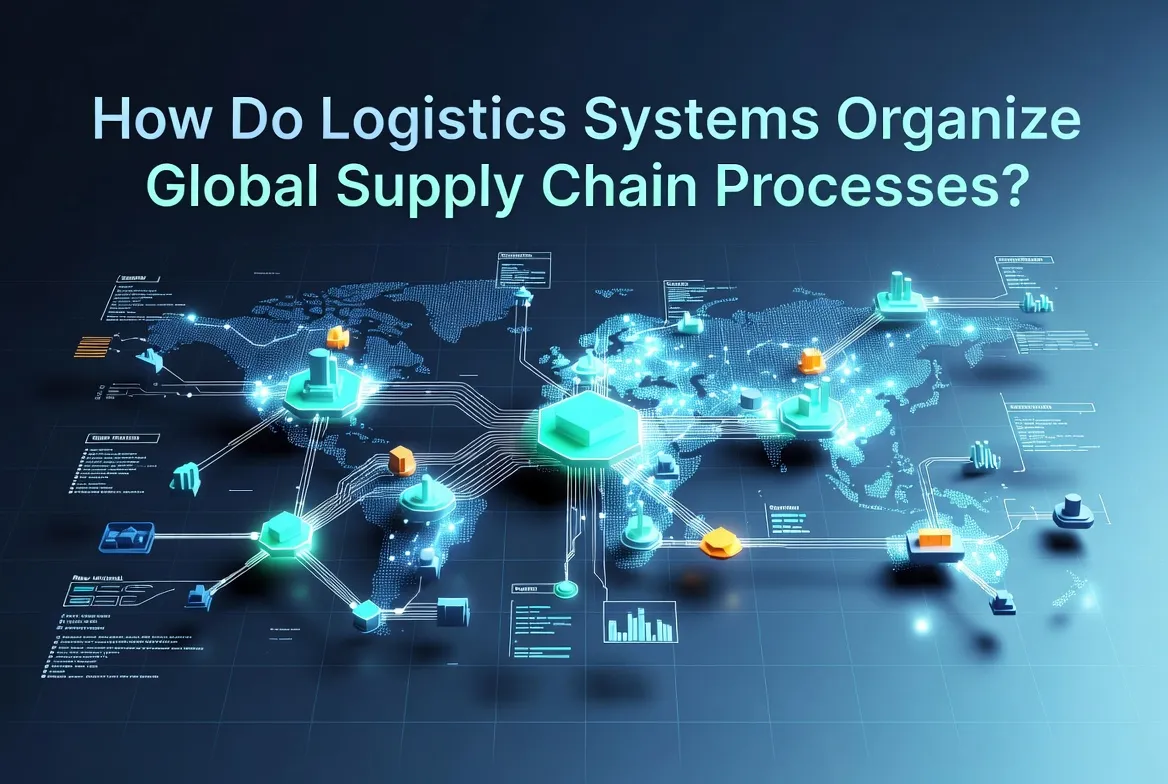
Logistics systems organize global supply chain processes by structuring operations into standardized, interconnected workflows that unify data, coordinate stakeholders, and automate execution across regions and functions.
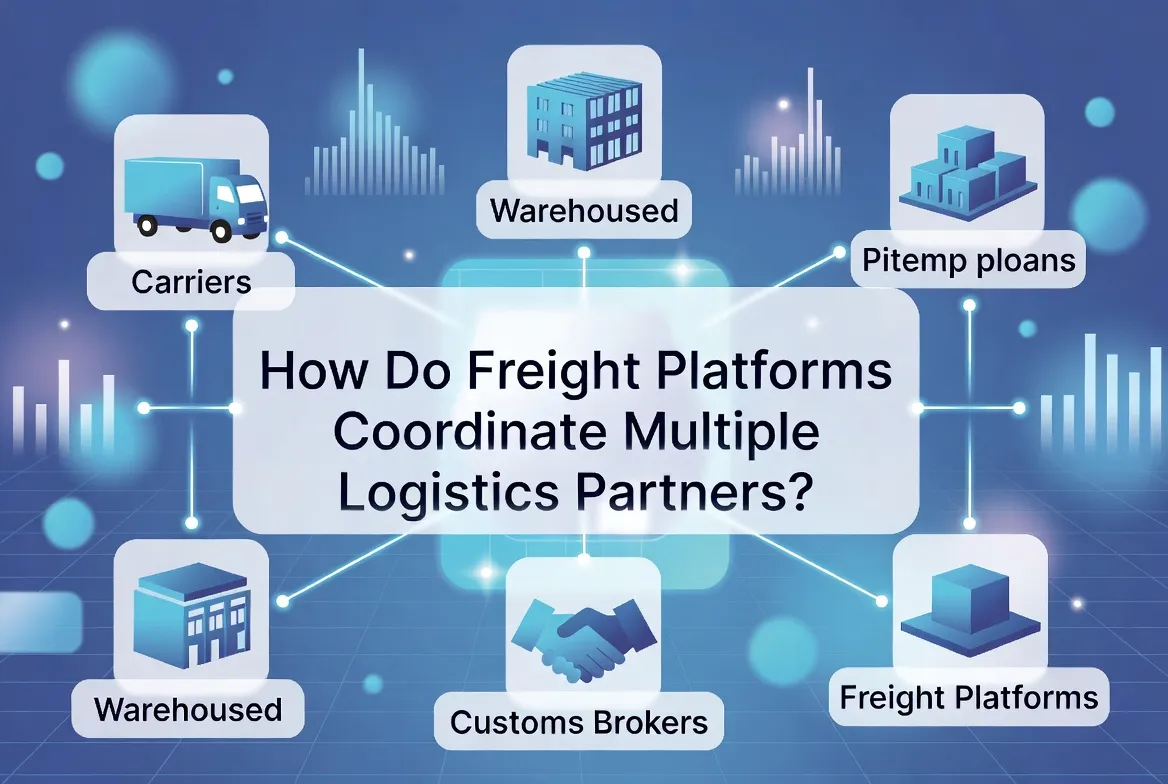
Freight platforms coordinate multiple logistics partners by centralizing communication, standardizing workflows, and enabling real-time data sharing across all stakeholders involved in shipment execution.