Apr 21,2026
How OCR Technology Transforms Logistics Document Processing
Introduction
Logistics data platforms for shipment data integration are systems that connect, unify, and synchronize shipment-related data from multiple sources into a single, consistent data environment. These platforms enable logistics companies to achieve real-time visibility, seamless coordination, and accurate data flow across the entire shipment lifecycle.
In modern logistics operations—especially for freight forwarders, 3PLs, and cross-border eCommerce logistics providers—shipment data is often scattered across carriers, warehouses, internal systems, and partner platforms. Without integration, this leads to delays, errors, and inefficiencies. Shipment data integration platforms solve this by creating a unified, connected data ecosystem.
What is Logistics Data Platforms for Shipment Data Integration
A logistics data platform for shipment data integration is a centralized system that:
Collects shipment data from multiple internal and external sources
Standardizes and consolidates this data into a unified structure
Synchronizes updates in real time across systems and stakeholders
Enables consistent access to shipment information
Key data sources typically include:
Carrier tracking systems
Warehouse management systems (WMS)
Transportation management systems (TMS)
ERP and eCommerce platforms
Customs and regulatory systems
The platform ensures that all shipment-related data—orders, tracking events, documents, and financials—are connected and aligned.
Why Logistics Data Platforms Matter
1. Fragmented Shipment Data
Logistics operations often rely on multiple systems that do not communicate effectively. This results in:
Duplicate data entry
Inconsistent shipment information
Delayed updates
Integration eliminates these data silos.
2. Lack of End-to-End Visibility
Without integrated data, it is difficult to track shipments across multiple transport stages. A unified platform enables:
Full lifecycle visibility
Milestone-based tracking
Real-time updates across all segments
3. Inefficient Collaboration
Multiple stakeholders—customers, carriers, agents, and internal teams—need access to the same data. Without integration:
Communication is fragmented
Errors increase
Coordination slows down
4. Increased Operational Risk
Manual data transfer between systems increases:
Errors in shipment details
Delays in processing
Compliance risks
How Logistics Data Platforms Work
1. Data Collection from Multiple Sources
The platform connects to:
Carrier APIs and tracking systems
ERP and order management systems
Warehouse and transportation systems
External partner platforms
2. Data Standardization
Converts different data formats into a unified structure
Aligns shipment events into standardized milestones
Ensures consistency across all systems
3. Data Synchronization
Updates shipment data in real time
Ensures all stakeholders access the same information
Eliminates discrepancies between systems
4. Centralized Data Management
Stores all shipment data in one platform
Enables unified access and control
Supports historical and real-time data analysis
5. Integration with Workflows
Links data with operational processes
Triggers automated actions based on shipment events
Supports seamless execution across departments
Key Features / Key Capabilities
1. Multi-System Integration
API and EDI connectivity with external systems
Integration with ERP, WMS, TMS, and eCommerce platforms
Support for third-party logistics partners
2. End-to-End Shipment Visibility
Milestone-based tracking across all transport stages
Unified shipment timeline
Real-time updates from multiple sources
3. Multi-Role Collaboration
Shared data access across teams and partners
Role-based permissions and workflows
Seamless coordination between upstream and downstream stakeholders
4. Automated Data Processing
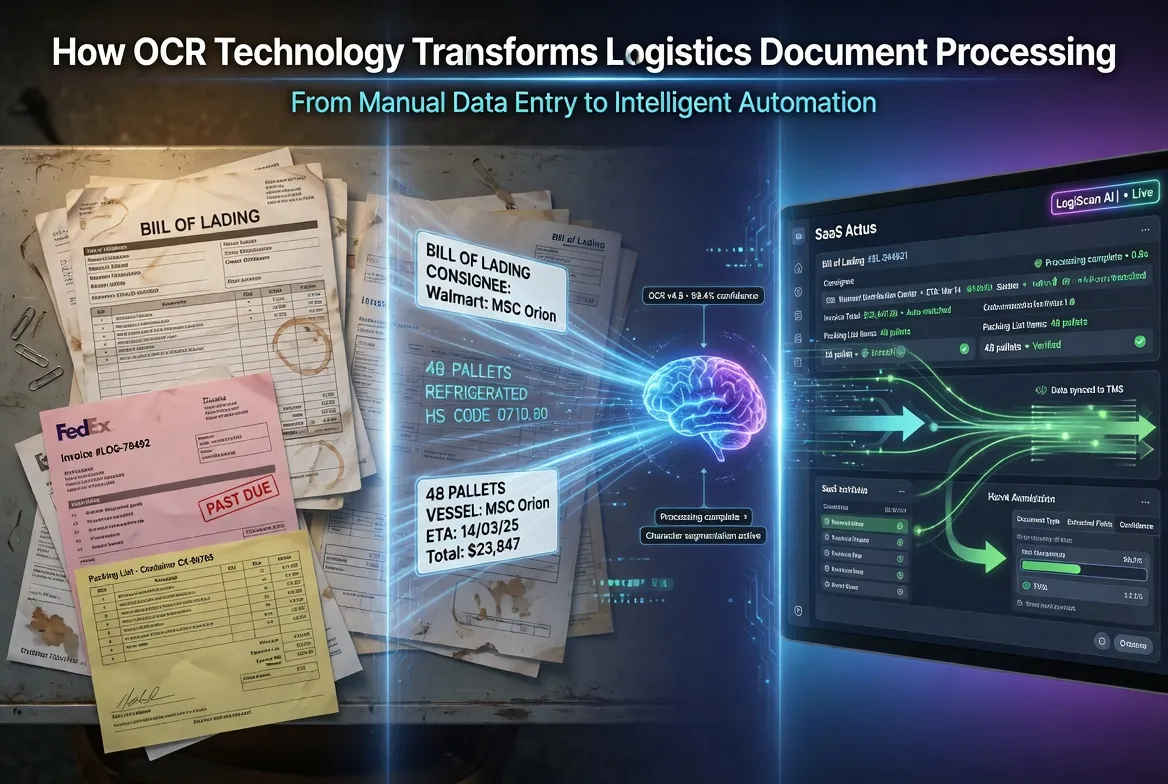
AI-based document recognition (OCR)
Automated data extraction and validation
Reduced manual data entry
5. Workflow Automation
Automated task triggering based on shipment status
Notifications for key events and exceptions
Reduced manual coordination
6. Exception Management
Real-time alerts for delays or discrepancies
Configurable rules for anomaly detection
Faster issue resolution
Modern logistics platforms support multi-source tracking integration and unified event management, enabling complete visibility across different shipment segments .
Benefits for Logistics Companies
1. Improved Data Accuracy
Elimination of duplicate entries
Reduced manual errors
Consistent data across systems
2. Enhanced Operational Efficiency
Faster processing of shipments
Reduced manual workload
Streamlined workflows
3. Better Visibility and Control
Real-time tracking of shipments
Unified view of operations
Improved decision-making
4. Stronger Collaboration
Seamless communication between stakeholders
Shared access to accurate data
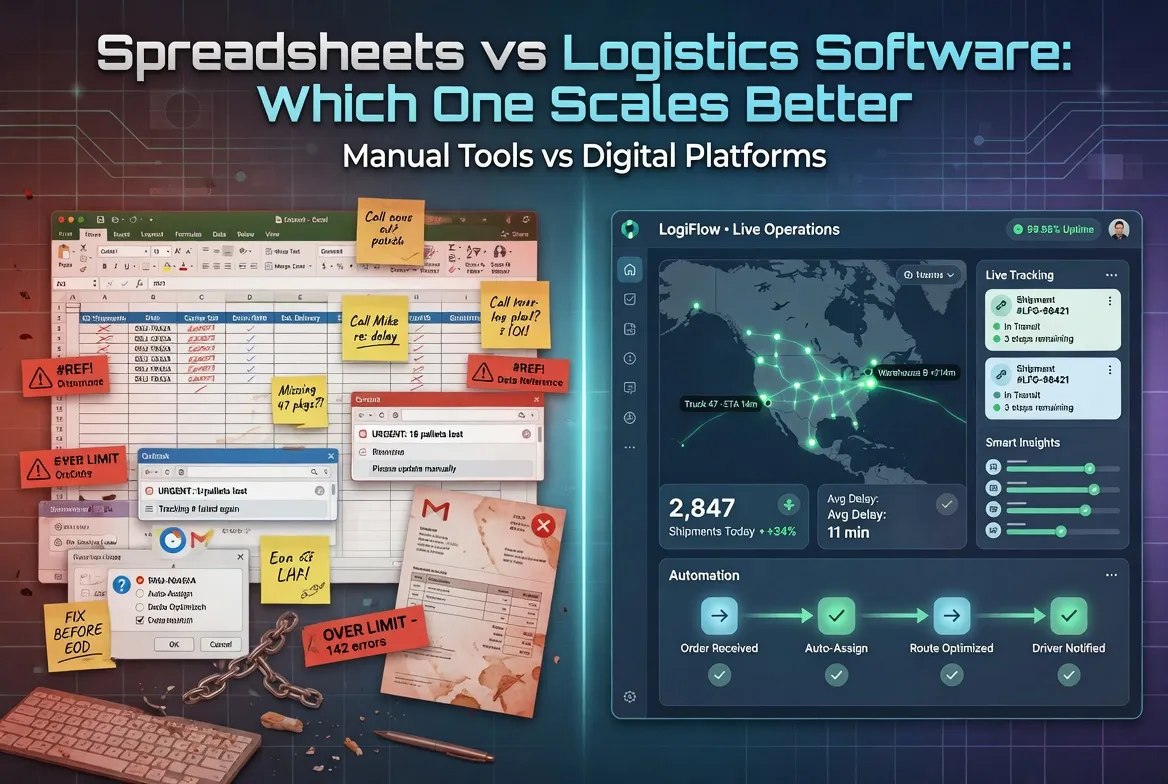
Reduced dependency on emails and spreadsheets
5. Scalability
Ability to handle increasing shipment volumes
Support for global operations
Integration with new partners and systems
Best Practices / Use Cases
1. Freight Forwarders Managing Multi-Segment Shipments
Integrate data from ocean, air, and land carriers
Track shipments across multiple transport stages
Ensure seamless handoffs between partners
2. Cross-Border eCommerce Logistics
Integrate with eCommerce platforms and last-mile carriers
Manage high-volume parcel data
Provide real-time tracking to customers
3. 3PL Companies Coordinating Multiple Systems
Connect warehouse, transportation, and financial systems
Synchronize operational data
Improve service delivery
4. Document and Data Integration
Automate document processing using OCR
Link documents with shipment data
Reduce manual handling and errors
5. Exception Handling
Monitor shipments for delays or anomalies
Trigger alerts automatically
Enable proactive resolution
Conclusion
Logistics data platforms for shipment data integration are essential for connecting fragmented systems and ensuring consistent, real-time access to shipment information. By integrating data across the entire supply chain, these platforms enable logistics companies to improve efficiency, enhance visibility, and support seamless collaboration in increasingly complex global operations.
Frequently Asked Questions
What is shipment data integration in logistics?
Shipment data integration is the process of connecting and synchronizing shipment-related data from multiple systems into a unified platform for consistent and real-time access.
How do logistics data platforms enable shipment data integration?
They use APIs and integration tools to collect, standardize, and synchronize data from various sources, ensuring all stakeholders have access to the same information.
Why is shipment data integration important?
It improves data accuracy, enhances visibility, reduces manual work, and enables better coordination across logistics operations.
What systems are typically integrated in logistics data platforms?
Common integrations include ERP systems, WMS, TMS, carrier systems, eCommerce platforms, and customs systems.
Who benefits from shipment data integration platforms?
Freight forwarders, 3PL providers, and cross-border logistics companies benefit most, especially those managing complex, multi-party supply chains.
About WallTech
WallTech is a digital logistics solution provider focused on helping logistics companies build connected, efficient operations through integrated SaaS platforms. Its systems enable end-to-end logistics collaboration by linking multiple roles, partners, and systems into a unified workflow. With capabilities such as real-time shipment visibility, milestone-based tracking, and automation of operational and financial processes, WallTech supports logistics enterprises in improving efficiency, accuracy, and scalability across global supply chains.
If you're exploring ways to improve your logistics operations, feel free to connect with us to learn more about our solutions and system capabilities.