Apr 24,2026
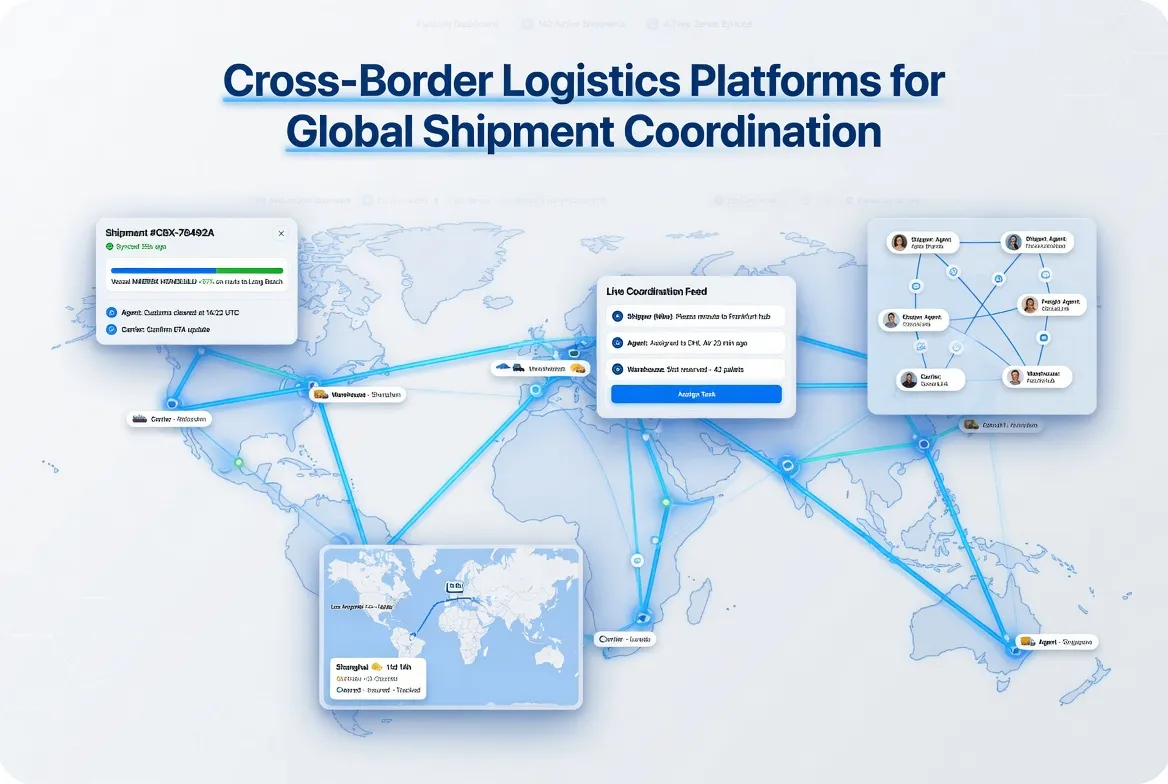
Cross-Border Logistics Platforms for Global Shipment Coordination
Introduction
Automation matters in cross-border logistics operations because it enables companies to manage complex, multi-country supply chains with greater efficiency, accuracy, and visibility. By automating workflows, data processing, and communication across stakeholders, logistics providers can reduce manual errors, improve coordination, and scale operations effectively in a highly fragmented global environment.
As international logistics continues to grow in complexity, automation has become a critical enabler of operational control and competitive advantage.
What is Automation in Cross-Border Logistics
Automation in cross-border logistics refers to the use of digital systems and intelligent technologies to streamline and manage international shipment processes with minimal manual intervention.
It applies across multiple stages, including:
Order intake from global customers or platforms
Documentation and customs compliance
Multi-leg transportation coordination (air, sea, land)
Shipment tracking across countries
Billing and financial settlement
Unlike domestic logistics, cross-border operations involve multiple regulatory environments, partners, and systems. Automation helps unify these fragmented processes into a structured and synchronized workflow.
Why Automation Matters
Cross-border logistics operations face unique challenges that make automation essential rather than optional.
1. High Operational Complexity
A single international shipment may involve:
Freight forwarders
customs brokers
carriers across different transport modes
overseas agents
warehouses and last-mile providers
Manual coordination across these stakeholders often leads to delays and miscommunication.
2. Fragmented Data and Systems
Different countries and partners use different systems, resulting in:
inconsistent data formats
duplicated data entry
lack of centralized visibility
Automation enables data integration and synchronization across systems, reducing fragmentation.
3. Limited Visibility Across Shipment Stages
Without automation, tracking is often:
incomplete
delayed
inconsistent across carriers
This creates operational blind spots and increases customer service workload.
4. Compliance and Documentation Risks
Cross-border logistics involves strict regulatory requirements:
customs declarations
shipping documentation
compliance checks
Manual handling increases the risk of errors, delays, and penalties.
5. Scalability Challenges
As shipment volumes grow, manual processes cannot scale efficiently. Automation enables logistics companies to handle increasing demand without proportional increases in manpower.
How Automation Works
Automation in cross-border logistics is achieved through a combination of system integration, workflow orchestration, and intelligent technologies.
1. Unified Order and Data Processing
Orders from multiple sources (eCommerce platforms, APIs, manual input) are automatically consolidated into a single system.
eliminates duplicate data entry
ensures data consistency across departments
enables real-time updates
2. Workflow and Milestone Automation
Shipments are managed through structured workflows with predefined milestones:
booking confirmed
cargo received
customs cleared
in transit
delivered
Each milestone triggers automated actions such as:
status updates
notifications to stakeholders
task assignments
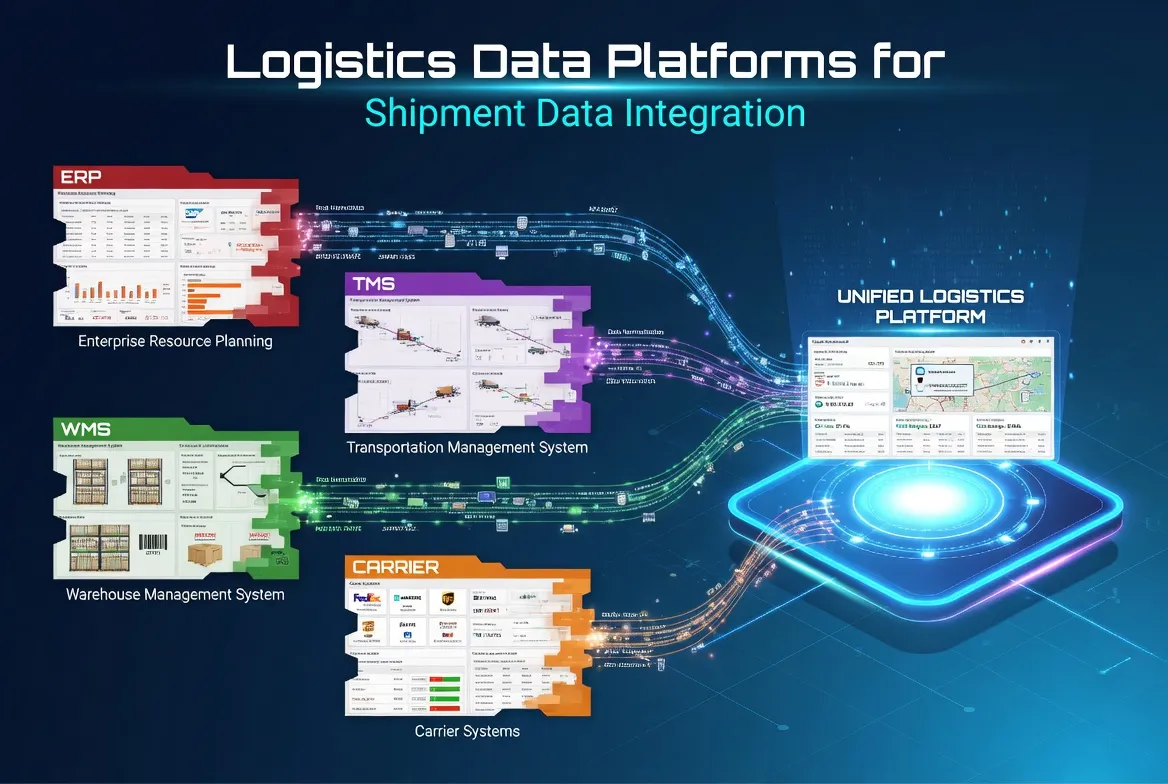
3. Multi-System Integration
Automation platforms connect with:
carrier tracking systems
customs systems
warehouse systems
financial systems
This enables seamless data exchange and reduces reliance on manual communication.
4. AI-Driven Data Processing
Technologies such as OCR and AI are used to:
extract data from shipping documents
validate information
reduce manual input errors
This significantly improves processing speed and accuracy, especially in document-heavy cross-border operations.
5. Automated Financial Management
Automation ensures accurate financial processes by:
generating invoices based on shipment data
calculating costs and revenues automatically
enabling reconciliation and settlement tracking
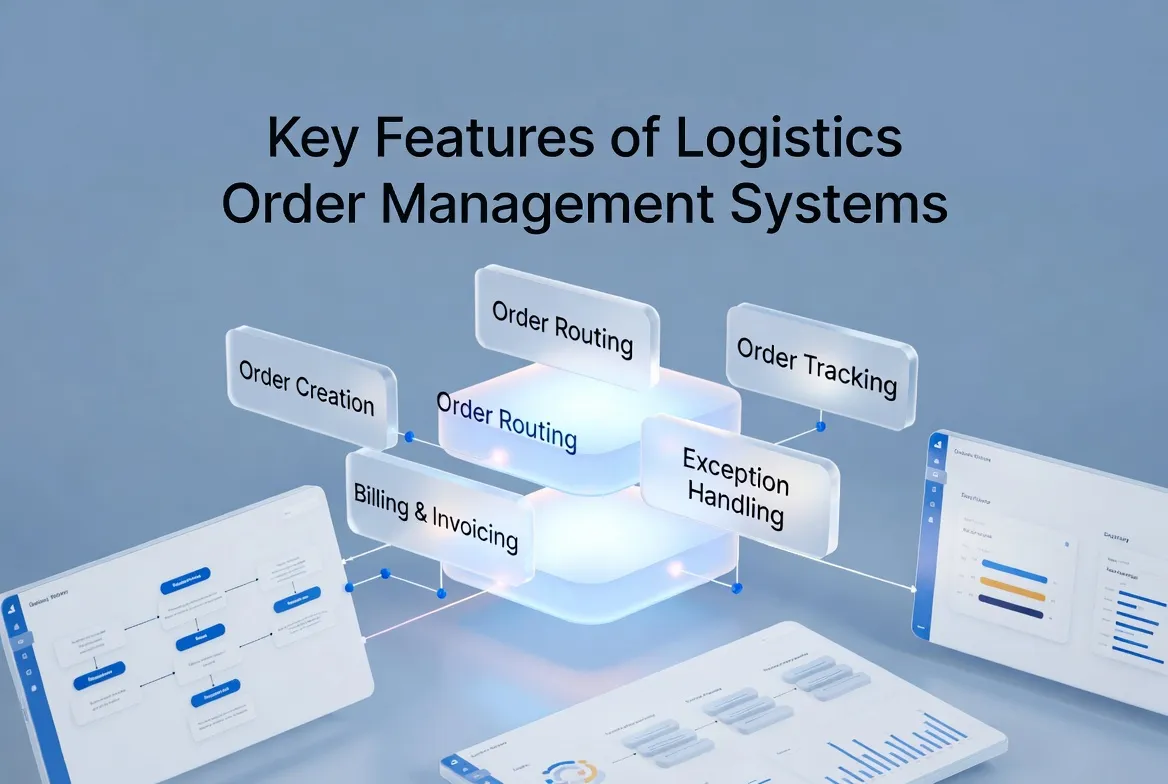
Key Features / Key Capabilities
Automation in cross-border logistics systems typically includes:
End-to-end shipment visibility
Unified tracking across all transport modes and countriesMilestone-based tracking
Real-time updates across the shipment lifecycleMulti-role collaboration
Coordination between internal teams and external partnersWorkflow automation
Standardized and configurable operational processesAI-powered data recognition
Automated document processing and data extractionAutomated billing and reconciliation
Accurate financial managementException management and alerts
Proactive handling of delays and disruptions
These capabilities enable logistics companies to operate with greater control and transparency.
Benefits for Logistics Companies
1. Improved Operational Efficiency
faster processing of international shipments
reduced manual workload
streamlined workflows
2. Enhanced Visibility
real-time tracking across multiple countries and transport modes
centralized monitoring of shipment progress
better customer communication
3. Reduced Errors and Risks
fewer documentation errors
improved compliance accuracy
reduced financial discrepancies
4. Better Collaboration
seamless coordination between global teams and partners
shared data and workflows
reduced communication delays
5. Scalable Growth
ability to handle higher shipment volumes
support for expanding global operations
reduced dependency on manual processes
Best Practices / Use Cases
1. Cross-Border eCommerce Logistics
Automation helps manage high volumes of small parcel shipments, integrate with platforms, and coordinate last-mile delivery across multiple countries.
2. Freight Forwarders with Global Networks
Enable collaboration between headquarters, overseas branches, and agents through unified workflows and shared data.
3. Multi-Modal Transportation Management
Automate coordination across sea, air, land, and express transport modes within a single system.
4. Compliance-Heavy Operations
Use automation to standardize documentation processes and reduce compliance risks in customs and regulatory requirements.
Best Practices for Implementation
integrate key systems and partners early
standardize workflows across regions
implement milestone-based tracking for visibility
automate high-frequency processes first
continuously monitor and optimize automation rules
Conclusion
Automation plays a critical role in modern cross-border logistics operations by enabling companies to manage complexity, improve efficiency, and enhance visibility. It transforms fragmented and manual processes into structured, data-driven workflows that support scalable global operations.
As international trade continues to evolve, automation will remain a key foundation for logistics companies seeking to improve performance and maintain competitiveness.
Frequently Asked Questions
What is automation in cross-border logistics?
It refers to the use of digital systems and technologies to automate international logistics processes such as order management, tracking, documentation, and billing.
Why is automation important in cross-border logistics?
Automation improves efficiency, reduces errors, enhances visibility, and enables logistics companies to manage complex global operations more effectively.
How does automation improve logistics operations?
It streamlines workflows, integrates systems, automates data processing, and provides real-time visibility across shipment stages.
What are the benefits of automation in logistics?
Key benefits include faster operations, improved accuracy, better collaboration, reduced risks, and scalable growth.
What technologies are used in logistics automation?
Technologies include AI, OCR, API integrations, workflow engines, and real-time tracking systems.
About WallTech
WallTech provides digital logistics solutions designed to support freight forwarders, 3PL providers, and cross-border logistics companies in managing complex global operations. Its platforms enable end-to-end collaboration across multiple roles and partners, while offering real-time shipment visibility through milestone-based tracking. By integrating workflow automation, AI-driven data recognition, and financial automation such as billing and reconciliation, WallTech helps logistics companies improve operational efficiency and scalability in cross-border environments.
If you're exploring ways to improve your logistics operations, feel free to connect with us to learn more about our solutions and system capabilities.