Jun 20,2024
WallTech Family | Season 1: Inside Shipping Companies | Part 2: Price Predictions for H2 2024
Introduction
Logistics cost management software is a digital system designed to calculate, control, analyze, and optimize costs across logistics operations, including transportation, warehousing, customs, and last-mile delivery. It enables logistics companies to replace manual spreadsheets and fragmented accounting processes with automated, data-driven financial management, improving cost accuracy, visibility, and profitability.
In modern freight forwarding and cross-border logistics, where operations span multiple partners and cost components, such software plays a critical role in ensuring financial control and operational efficiency.
What is Logistics Cost Management Software
Logistics cost management software is a specialized platform that integrates operational data with financial processes to manage all cost-related activities within logistics workflows.
It typically covers:
Freight cost calculation (sea, air, land)
Handling and operational fees
Customs duties and surcharges
Last-mile delivery costs
Accounts receivable (AR) and payable (AP)
Unlike traditional accounting systems, logistics cost management software is closely tied to shipment-level operations. Every cost is linked to a specific shipment, container, or order, enabling precise financial tracking.
In advanced systems, cost data is generated automatically based on predefined rules, rate cards, and operational milestones, reducing manual intervention.
Why Logistics Cost Management Software Matters
Logistics operations are inherently complex, involving multiple stakeholders, currencies, and cost structures. Without a centralized system, companies often face:
Fragmented cost data across spreadsheets, emails, and systems
Manual calculation errors in billing and invoicing
Delayed financial visibility at shipment or customer level
Inefficient collaboration between operations and finance teams
These challenges directly impact profitability and scalability.
Logistics cost management software addresses these issues by:
Providing real-time financial visibility across shipments
Standardizing cost structures and billing rules
Enabling multi-role collaboration between operations, finance, and sales
Supporting global operations with multi-currency and tax handling
In competitive markets such as freight forwarding and cross-border eCommerce logistics, accurate cost control is essential for maintaining margins.
How Logistics Cost Management Software Works
Logistics cost management software works by integrating operational workflows with financial logic.
1. Data Input from Operations
Cost data originates from operational activities, such as:
Shipment creation
Route selection
Carrier assignment
Weight and volume confirmation
These inputs are automatically captured within the system.
2. Rate Card and Rule Engine
The system uses predefined rate cards and calculation rules to determine costs.
For example:
Freight rates based on weight or volume
Zone-based delivery pricing
Surcharges for fuel, peak season, or special handling
Rate cards can support complex configurations such as charge zones, weight ranges, and calculation formulas .
3. Automated Cost Calculation
Once shipment data is confirmed, the system automatically calculates:
Estimated costs
Actual costs
Customer pricing
This reduces reliance on manual calculations.
4. Billing and Financial Processing
At predefined workflow stages, the system generates:
Receivable invoices
Payable bills
Financial entries
Billing can be triggered automatically at key milestones, improving efficiency and consistency .
5. Visibility and Reporting
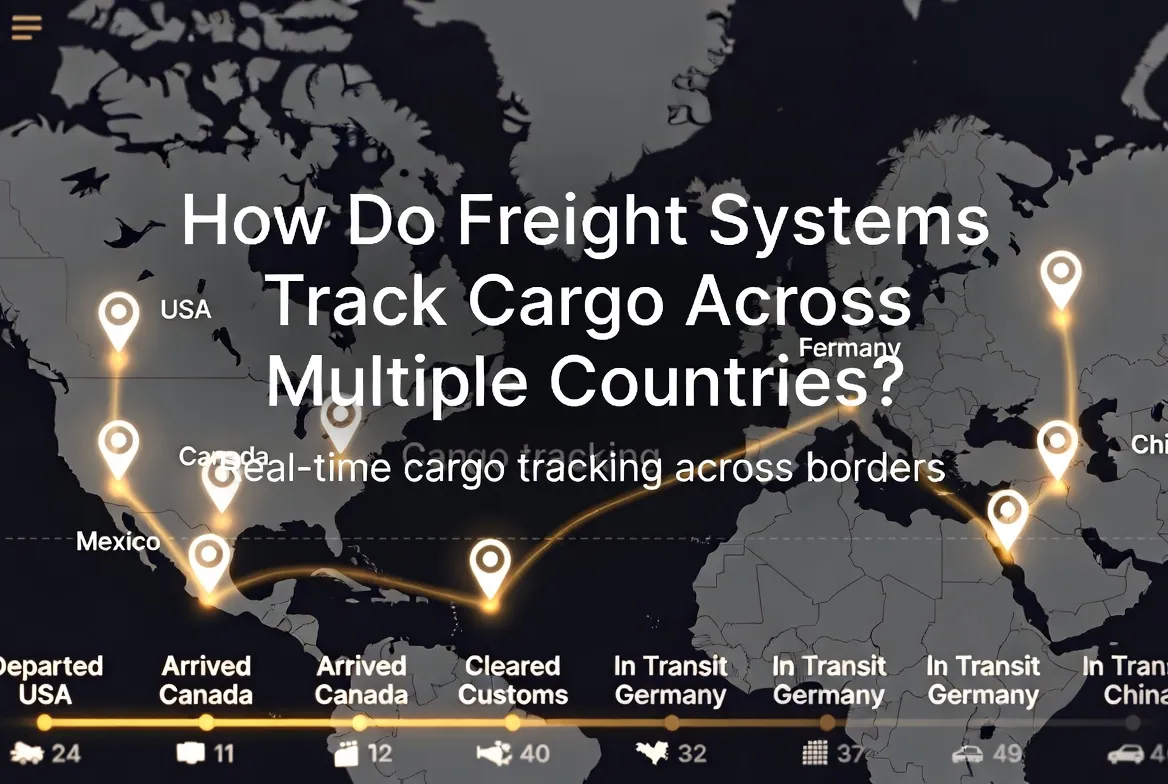
All financial data is linked to shipment timelines, enabling:
Profit analysis by shipment
Cost breakdown by service
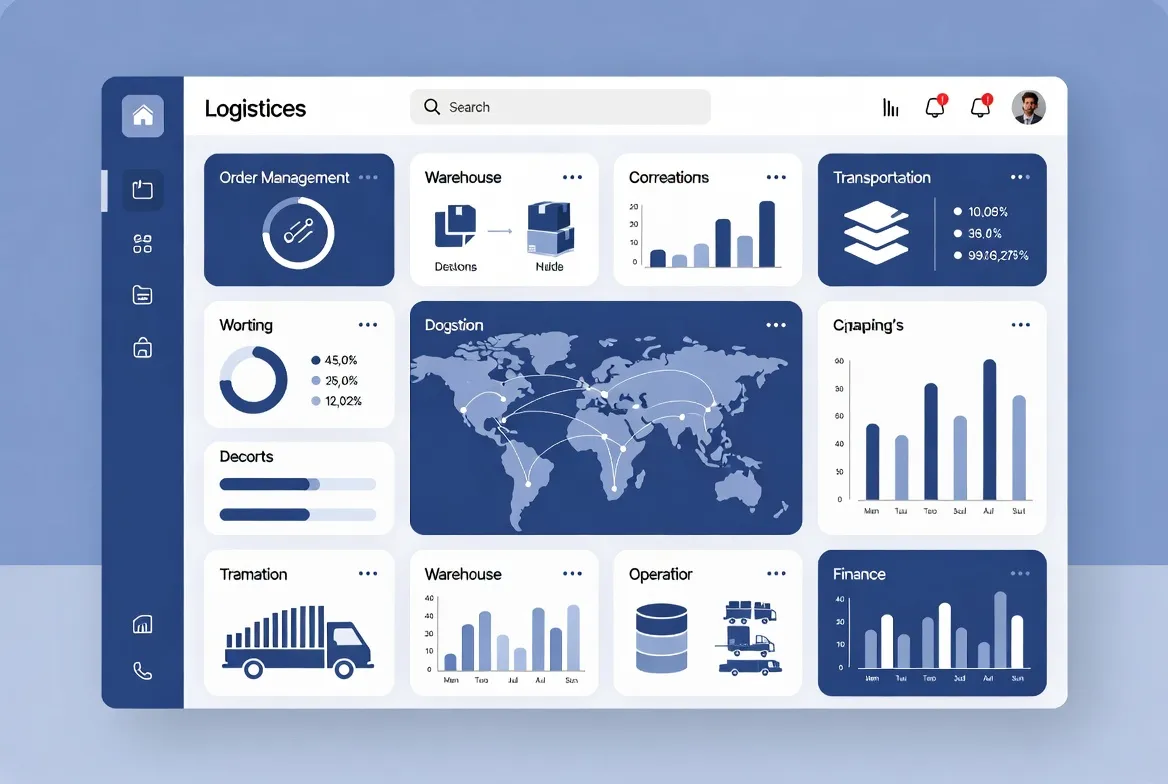
Real-time dashboards
This unified timeline connects operations and finance into a single view.
Key Features of Logistics Cost Management Software
Modern logistics cost management systems include several core capabilities:
1. Automated Cost Calculation
Rule-based pricing engine
Support for multi-segment and multimodal transport
Dynamic surcharge handling
2. Integrated Billing and Invoicing
Automatic invoice generation
Flexible billing triggers
Multi-currency support
3. Shipment-Level Financial Tracking
Cost and revenue linked to each shipment
Container-level and order-level profit visibility
Real-time updates
4. Multi-Role Collaboration
Operations, finance, and sales work within one system
Shared data across departments
Reduced communication gaps
5. End-to-End Visibility
Unified timeline from order to delivery
Milestone-based tracking
Financial data aligned with operational progress
6. Automation and AI Support
OCR for extracting cost data from documents
Automated reconciliation processes
Workflow automation for approvals and exceptions
Benefits for Logistics Companies
Implementing logistics cost management software provides measurable advantages:
Improved Financial Accuracy
Automated calculations reduce human errors in pricing and billing.
Faster Billing Cycles
Invoices are generated automatically, reducing delays and improving cash flow.
Better Profit Control
Companies can monitor profit at shipment, customer, or route level.
Enhanced Collaboration
Operations and finance teams work on the same data, reducing misalignment.
Scalability for Global Operations
Supports multi-currency, multi-entity, and cross-border workflows.
Reduced Operational Costs
Automation minimizes manual work and improves efficiency.
Best Practices and Use Cases
Standardize Rate Cards
Define clear pricing rules for all services to ensure consistency.
Align Operations and Finance
Use a unified system where operational events trigger financial actions.
Automate Billing Triggers
Set billing to occur at key milestones, such as shipment departure or delivery.
Enable Real-Time Monitoring
Track costs and profitability continuously, not just at month-end.
Use Case: Freight Forwarders
Freight forwarders can manage complex cost structures across sea, air, and land transport while maintaining accurate profit tracking.
Use Case: Cross-Border eCommerce Logistics
High-volume parcel operations benefit from automated cost calculation and billing for thousands of daily shipments.
Conclusion
Logistics cost management software is a critical component of modern logistics operations, enabling companies to control costs, automate financial processes, and gain real-time visibility into profitability. By integrating operational workflows with financial systems, it eliminates inefficiencies and supports scalable growth in complex global logistics environments.
Frequently Asked Questions
What is logistics cost management software?
It is a system that manages, calculates, and tracks logistics-related costs across operations, integrating financial processes with shipment workflows.
How does logistics cost management software work?
It captures operational data, applies pricing rules through rate cards, automates cost calculation, and generates billing and financial reports.
Why is logistics cost management important?
It ensures accurate pricing, improves profitability, reduces errors, and provides real-time financial visibility.
What are the benefits of logistics cost management software?
Key benefits include automation, improved accuracy, faster billing, better profit tracking, and enhanced collaboration.
Who uses logistics cost management software?
Freight forwarders, 3PL providers, and cross-border eCommerce logistics companies commonly use it.
About WallTech
WallTech provides digital logistics solutions designed to support end-to-end logistics operations for freight forwarders and cross-border logistics providers. Its platforms enable multi-role collaboration across teams and partners, real-time shipment visibility through milestone-based tracking, and integrated workflow and financial automation. By connecting operational and financial data within a unified system, WallTech helps logistics companies improve efficiency, accuracy, and scalability in global operations.
If you're exploring ways to improve your logistics operations, feel free to connect with us to learn more about our solutions and system capabilities.