

Mar 26,2026
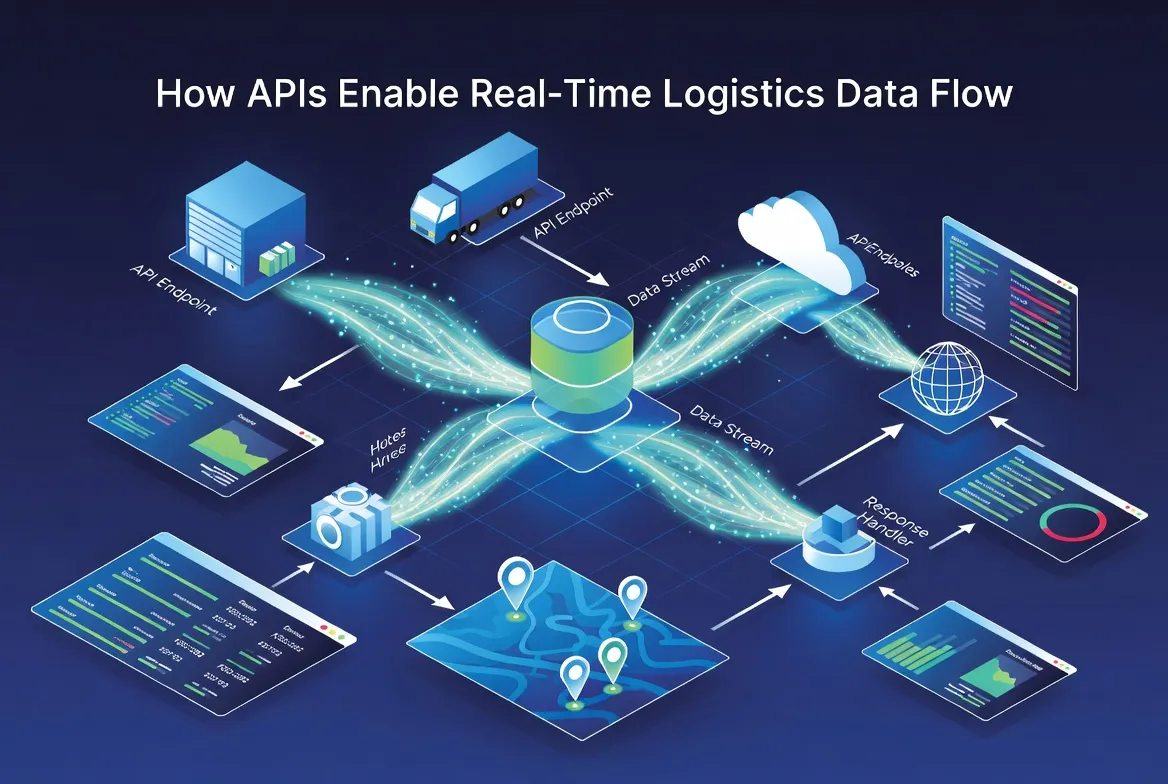
How APIs Enable Real-Time Logistics Data Flow
In international freight forwarding, carrier booking and schedule coordination are critical operational activities that directly influence shipment timelines, service reliability, and customer satisfaction. Freight forwarders must coordinate with multiple carriers, manage vessel or flight schedules, and ensure that cargo space reservations align with operational plans and customer commitments.
Traditionally, booking management relied on manual communication through emails, spreadsheets, and carrier portals. This fragmented approach often created inefficiencies, data inconsistencies, and delays in responding to schedule changes. As global logistics networks become more complex, freight forwarding companies increasingly rely on digital freight platforms to centralize booking processes and coordinate carrier schedules more efficiently.
Modern freight forwarding platforms provide structured workflows for booking management, schedule monitoring, and operational coordination. These systems enable forwarders to manage bookings across multiple carriers while maintaining visibility into capacity, schedules, and operational milestones.
The Role of Carrier Booking in Freight Forwarding Operations
Carrier booking is the process through which freight forwarders reserve cargo space with shipping lines, airlines, or other transport providers. This process ensures that shipments are allocated space on specific transport services, allowing cargo to move according to planned schedules.
The booking process typically involves confirming shipment details such as origin, destination, cargo specifications, container types, and estimated departure dates. Once the booking is confirmed, carriers provide booking references and schedule details that guide subsequent operational steps, including cargo delivery to terminals and documentation preparation.
For freight forwarders managing large shipment volumes across multiple trade lanes, coordinating these bookings manually becomes increasingly challenging. Differences in carrier systems, varying schedule updates, and communication delays can create operational bottlenecks. Digital freight platforms help streamline this process by centralizing booking management and standardizing workflows.
Challenges in Manual Booking and Schedule Coordination
Freight forwarders operating without integrated systems often encounter several operational challenges when managing carrier bookings.
One common issue is fragmented communication. Booking requests may be sent through email, carrier portals, or messaging platforms, making it difficult to maintain consistent records. As shipments progress, tracking changes to booking status or vessel schedules can require manual updates across multiple spreadsheets or systems.
Schedule volatility presents another challenge. Vessel departures, flight schedules, and port operations can change frequently due to congestion, weather disruptions, or operational adjustments. Without centralized schedule monitoring, forwarders may not detect these changes quickly, leading to missed deadlines or delayed cargo handling.
Additionally, the absence of standardized booking workflows can create inconsistencies in operational processes. Different teams or branches may follow different procedures, increasing the risk of errors or incomplete booking information. Digital freight platforms address these challenges by introducing structured booking processes and centralized schedule management.
Key Capabilities of Digital Freight Booking Management
Modern freight forwarding platforms provide a range of capabilities designed to support carrier booking management and schedule coordination.
One essential capability is centralized booking management. These systems allow operational teams to create, manage, and track booking requests within a unified platform. Shipment details, carrier information, and booking confirmations are stored in structured records, making it easier to monitor booking progress and access historical data.
Another important feature is schedule integration. Freight platforms often connect with carrier schedules or external data sources to provide updated vessel or flight information. This integration helps operational teams monitor schedule changes and adjust shipment plans accordingly.
Automated workflows also improve booking efficiency. Systems can trigger operational tasks once bookings are confirmed, such as generating documentation, notifying relevant teams, or updating shipment milestones. These automated processes reduce manual coordination and improve operational consistency.
How Booking Workflows Operate in Logistics Platforms
Digital freight platforms typically manage booking operations through structured workflows that guide operational teams through each step of the process.
The workflow begins with shipment creation, where operational staff input shipment details such as cargo type, routing, and required transport services. Once the shipment record is established, booking requests can be generated directly from the system and sent to the selected carrier.
After carriers confirm the booking, the platform records the booking reference, vessel or flight schedule, and relevant service details. These records become part of the shipment file and are accessible to all authorized users within the organization.
As the shipment progresses, the platform tracks schedule updates and operational milestones. If schedules change, the system can notify operational teams so they can adjust cargo delivery timing, documentation processes, or downstream logistics activities.
Business Value of Digital Booking Coordination
Implementing digital freight platforms for booking coordination provides several operational advantages for freight forwarding companies.
One key benefit is improved operational visibility. With centralized booking data, logistics teams can quickly view booking status, carrier schedules, and shipment timelines across multiple shipments and routes. This visibility helps managers identify potential delays and respond proactively.
Operational efficiency also improves when booking workflows are standardized. Digital systems reduce the need for repetitive manual tasks, such as updating spreadsheets or sending multiple confirmation emails. This allows operations teams to focus on higher-value activities such as problem resolution and customer communication.
Additionally, better schedule coordination supports more reliable logistics planning. By monitoring carrier schedules and booking confirmations within a single system, freight forwarders can better align operational timelines with customer delivery expectations.
Best Practices for Managing Carrier Bookings Digitally
To maximize the benefits of digital booking management, freight forwarders should adopt several best practices.
First, companies should establish standardized booking workflows within their logistics platforms. Consistent procedures for booking creation, confirmation, and updates ensure that all teams follow the same operational process.
Second, integrating carrier schedule data can significantly improve operational awareness. Real-time or regularly updated schedule information helps logistics teams identify potential disruptions and adjust shipment plans early.
Finally, maintaining accurate shipment data is essential. Booking workflows rely on correct shipment details, such as cargo specifications and routing information. Ensuring data accuracy helps prevent booking errors and supports smoother operational coordination.
Conclusion
Carrier booking and schedule coordination are fundamental components of freight forwarding operations. As global logistics networks grow more complex, managing these processes manually becomes increasingly difficult and prone to operational inefficiencies.
Digital freight forwarding platforms provide structured tools for managing bookings, monitoring carrier schedules, and coordinating operational workflows. By centralizing booking information and automating routine tasks, these systems help freight forwarders improve operational visibility, reduce errors, and maintain more reliable shipment schedules.
For logistics companies operating in global supply chains, adopting digital booking management practices is becoming an essential step toward building more efficient and scalable freight forwarding operations.