
May 10,2025
Parcel Shipping System: Intelligent Management Assists Enterprises in Efficient Operations
A logistics ERP for freight forwarders is an enterprise resource planning system specifically designed to manage freight forwarding operations, financial processes, and multi-branch coordination within a single unified platform. It integrates shipment execution, cost control, customer management, and financial accounting into one centralized system tailored to the logistics industry.
Why Do Freight Forwarders Need a Specialized ERP?
Traditional ERP systems are built for manufacturing, retail, or general service industries. They typically lack:
Multi-segment shipment management
Ocean and air freight booking workflows
Container consolidation logic
Freight rate calculation
Shipment-level profit tracking
Freight forwarding operations are highly process-driven and involve complex cost structures. A logistics ERP built specifically for freight forwarders bridges operational workflows and financial management without requiring heavy customization.
Core Functions of a Logistics ERP for Freight Forwarders
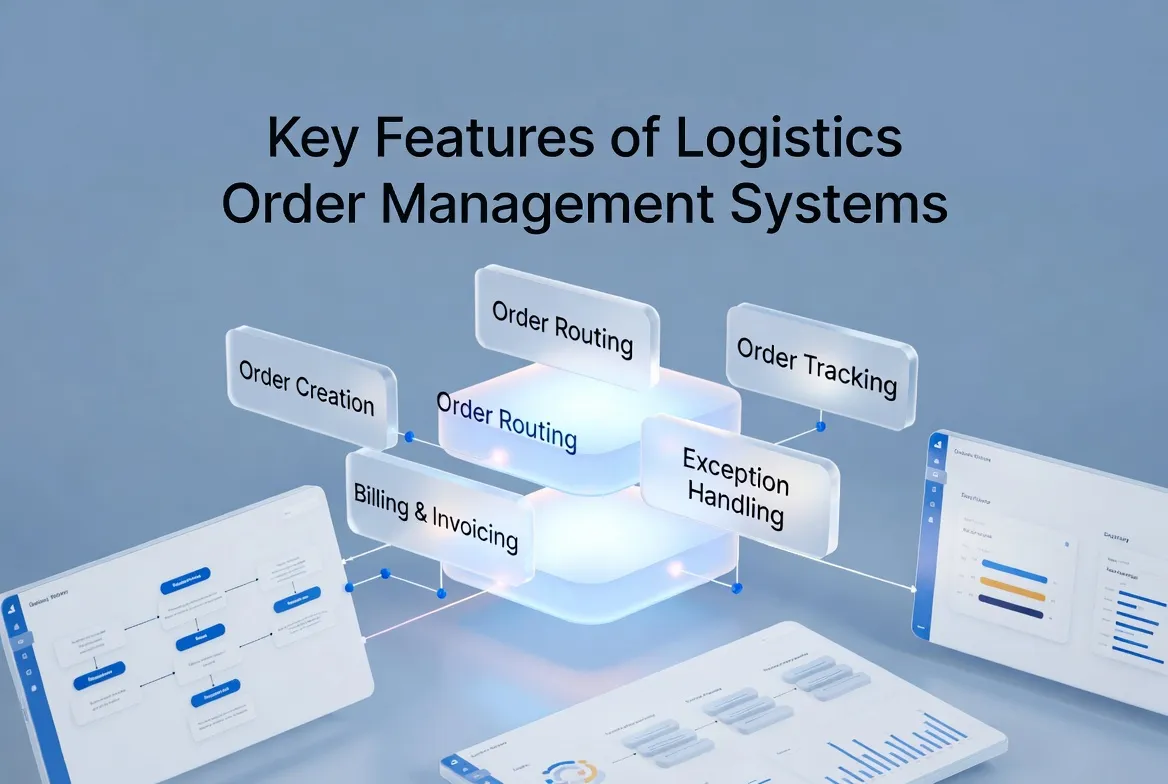
Shipment & Order Management
Manage shipments across:
Ocean freight (FCL and LCL)
Air freight
Land transportation
Multimodal transport
Each shipment record connects operational details with cost and revenue data.
Financial Management
Handle:
Accounts receivable
Accounts payable
Multi-currency transactions
Invoice generation
Cost verification
Write-off and reconciliation
Financial data is directly linked to shipment records, ensuring accurate margin visibility.
Freight Rate & Quotation Integration
Maintain freight rate cards and automatically apply pricing rules during quotation and booking. This reduces pricing inconsistencies and manual recalculation.
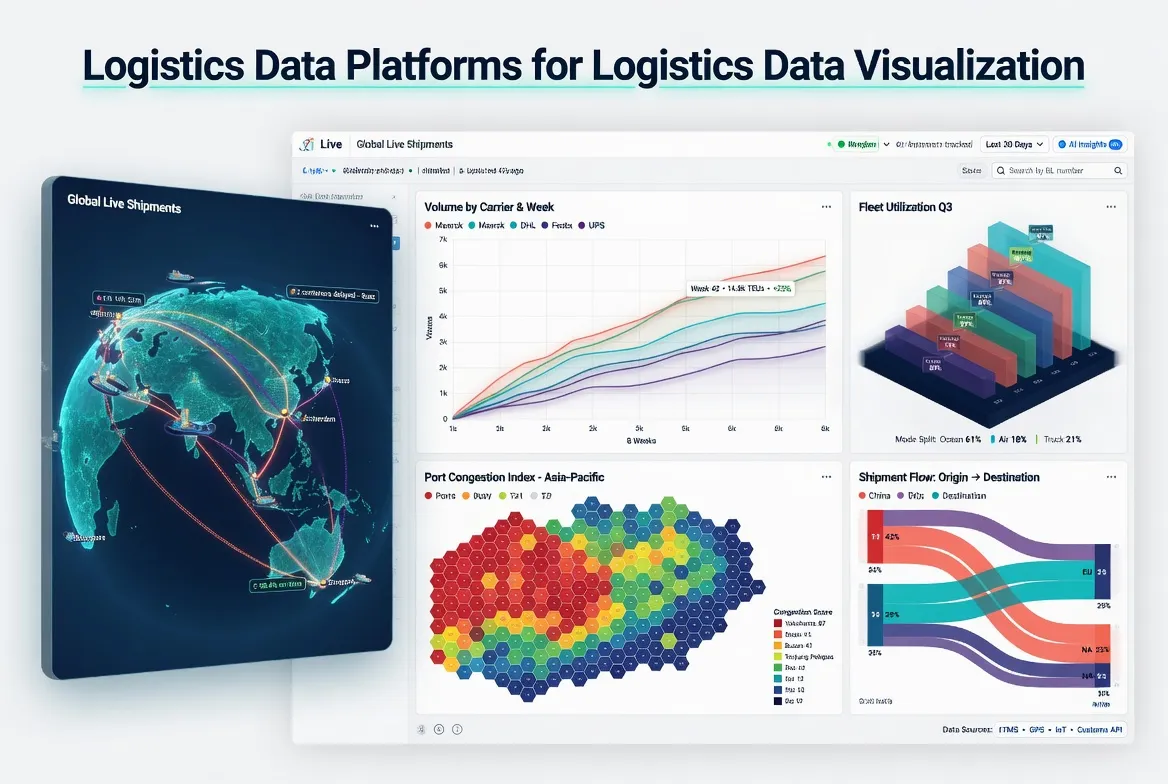
Profit & Performance Analysis
Track:
Shipment-level profit
Container-level profit
Customer profitability
Sales performance
Branch-level financial performance
This enables data-driven decision-making across the organization.
Multi-Branch & Role Management
Support:
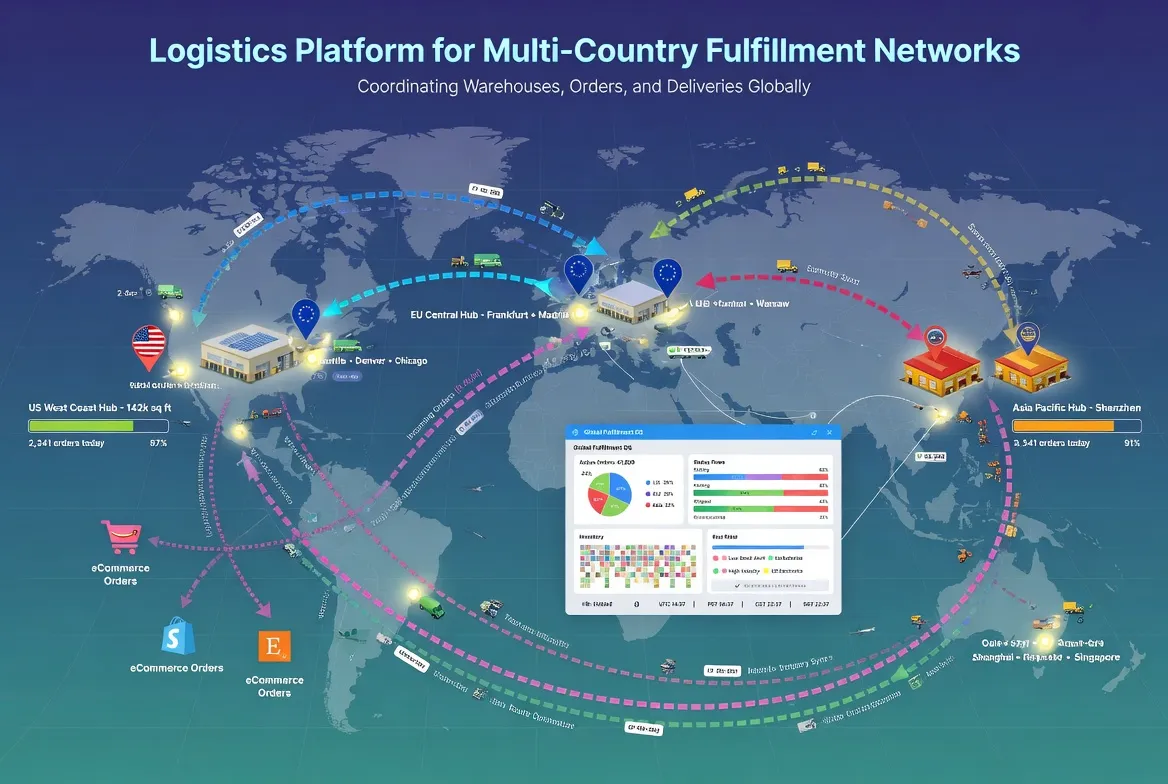
Multiple offices and subsidiaries
Role-based permissions
Cross-branch collaboration
Centralized reporting
This is especially important for freight forwarders operating internationally.
Document & Compliance Management
Store and manage:
Bills of lading
Shipping instructions
Customs documents
Operational confirmations
All documentation is tied directly to shipment records.
How Is It Different from a Standard ERP?
A standard ERP focuses on accounting and resource planning but does not manage freight-specific operational processes.
A logistics ERP for freight forwarders:
Integrates booking, tracking, and billing
Supports container consolidation logic
Calculates freight-specific charges
Connects operations and finance seamlessly
Tracks profit per shipment automatically
It is built around freight workflows rather than generic accounting structures.
Who Uses a Logistics ERP for Freight Forwarders?
This system is typically used by:
International freight forwarding companies
NVOCC operators
Multimodal logistics providers
3PL companies managing freight operations
Logistics enterprises with multi-branch networks
Companies handling complex international shipments benefit most from structured ERP integration.
Business Benefits
Implementing a logistics ERP for freight forwarders can:
Reduce manual data entry
Improve financial accuracy
Increase visibility of shipment profitability
Standardize processes across branches
Accelerate invoice cycles
Support scalable business growth
It provides a unified digital backbone for freight forwarding operations.
Conclusion
A logistics ERP for freight forwarders is a specialized enterprise system that integrates freight operations, financial management, and multi-branch coordination into one platform. By connecting shipment execution with accounting workflows, it enables structured, efficient, and scalable freight management.