Sep 07,2023
Revolutionizing Logistics with eTower: WallTech's Digital Solution
Introduction
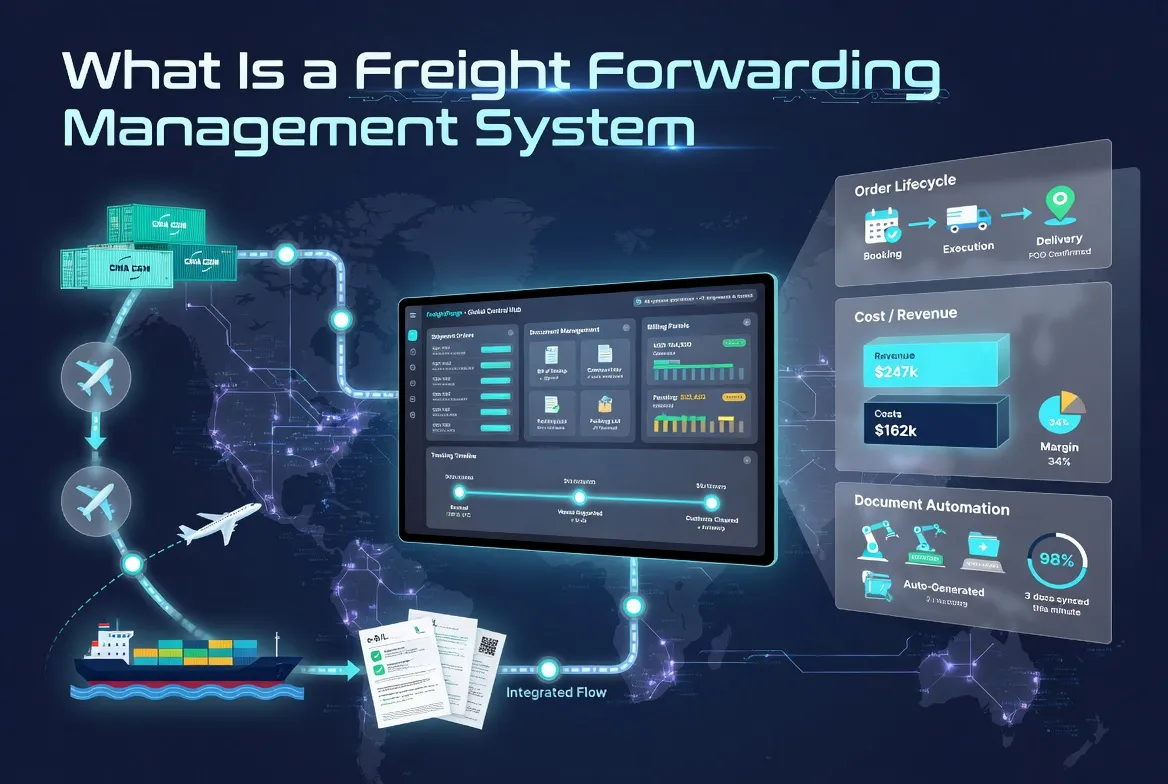
Logistics visibility platforms for freight performance analysis are digital systems that help logistics companies monitor, evaluate, and optimize transportation performance across supply chain operations. These platforms provide real-time shipment visibility, operational analytics, milestone tracking, and performance reporting to improve logistics efficiency and service quality.
In global logistics operations, freight forwarders, 3PL providers, and cross-border logistics companies manage large volumes of shipments across multiple carriers, transportation modes, and operational partners. Without centralized visibility and performance analytics, it becomes difficult to identify delays, measure service quality, or improve operational efficiency.
A logistics visibility platform enables companies to analyze transportation performance using real-time operational data, helping organizations make more informed decisions, improve service reliability, and strengthen supply chain management.
What is Freight Performance Analysis
Freight performance analysis refers to the process of evaluating transportation efficiency, shipment reliability, operational responsiveness, and service quality across logistics operations.
The objective is to measure how effectively freight operations are performing throughout the supply chain.
Freight performance analysis commonly includes monitoring:
Shipment transit times
Carrier reliability
Delivery performance
Transportation delays
Milestone completion rates
Customs clearance efficiency
Warehouse processing speed
Exception frequency
Financial accuracy
A logistics visibility platform centralizes operational data from multiple logistics systems and transforms it into measurable performance insights.
Rather than relying on fragmented spreadsheets or manual reporting, logistics companies gain access to unified operational analytics through centralized dashboards and automated reporting tools.
Why Freight Performance Analysis Matters
1. Global Logistics Operations Are Increasingly Complex
International freight operations involve:
Multiple transportation providers
Overseas agents
Warehouses
Customs authorities
Different transportation modes
Various regional regulations
Without centralized analysis, operational inefficiencies are difficult to identify.
2. Transportation Delays Impact Customer Experience
Late deliveries, missed milestones, and inconsistent transportation performance can negatively affect:
Customer satisfaction
Supply chain planning
Inventory availability
Operational profitability
Performance analysis helps logistics companies identify service weaknesses and improve reliability.
3. Data-Driven Logistics Is Becoming Essential
Modern logistics operations increasingly depend on operational analytics to improve:
Carrier selection
Route optimization
Resource planning
Cost control
SLA management
Visibility platforms help organizations make decisions based on real operational data rather than assumptions.
4. Manual Reporting Is Time-Consuming
Many logistics companies still rely on manual reporting methods such as:
Excel spreadsheets
Email updates
Static operational reports
Disconnected tracking systems
This limits operational agility and reduces reporting accuracy.
Visibility platforms automate performance analysis and reporting processes.
How Logistics Visibility Platforms Support Freight Performance Analysis
Logistics visibility platforms analyze freight performance by collecting and organizing operational data from across the supply chain.
Step 1: Integrating Logistics Data Sources
The platform connects with:
TMS systems
WMS systems
Carrier APIs
ERP systems
Customs systems
Transportation providers
Financial systems
This integration creates a centralized operational data environment.
Step 2: Capturing Shipment and Operational Events
The system continuously collects operational data such as:
Shipment milestones
Transportation events
Delivery confirmations
Warehouse operations
Delay records
Financial transactions
Real-time synchronization improves data accuracy.
Step 3: Standardizing Operational Metrics
Different logistics providers often use inconsistent event structures and reporting methods.
Visibility platforms standardize operational data into measurable KPIs such as:
On-time delivery rate
Average transit time
Delay frequency
Milestone completion rate
Exception resolution time
Step 4: Building Performance Dashboards
The platform displays freight performance through centralized dashboards showing:
Carrier performance
Shipment efficiency
Operational bottlenecks
Delay trends
SLA compliance
Transportation reliability
Users can analyze both real-time and historical operational data.
Step 5: Supporting Automated Alerts and Optimization
The system can automatically identify:
Repeated delays
Underperforming carriers
Operational bottlenecks
SLA violations
Financial discrepancies
This helps logistics teams improve operational decision-making and process optimization.
Key Features of Freight Performance Visibility Platforms
Real-Time Shipment Visibility
The platform continuously tracks shipment movement and operational milestones.
Carrier Performance Analysis
Companies can evaluate carriers based on:
Transit times
Delay frequency
Delivery reliability
Route performance
Milestone Tracking
Milestone-based tracking improves operational measurement throughout transportation workflows.
Exception Management
The system identifies abnormal operational situations such as:
Delayed shipments
Missed milestones
Customs clearance issues
Delivery failures
Unified Operational Dashboards
Centralized dashboards provide visibility into freight performance across multiple logistics operations.
Historical Data Analysis
Visibility platforms support long-term operational analysis and trend identification.
Workflow Automation
Modern systems increasingly support:
Automated billing
Reconciliation workflows
Operational task management
AI-assisted document processing
SOP automation
Multi-Role Collaboration
Freight forwarders, warehouses, customers, and transportation providers can collaborate within shared operational workflows.
Benefits for Logistics Companies
Improved Operational Efficiency
Performance analysis helps identify process bottlenecks and operational inefficiencies.
Better Carrier Management
Companies can make more informed carrier selection decisions using real performance data.
Enhanced Customer Service
Improved operational visibility helps companies provide more reliable delivery performance.
Faster Issue Resolution
Real-time alerts help operations teams identify and resolve problems earlier.
Reduced Manual Reporting Work
Automation reduces the need for manual data collection and spreadsheet reporting.
Better Strategic Planning
Historical freight analytics support long-term logistics optimization and resource planning.
Improved Financial Accuracy
Integrated operational and financial visibility helps reduce billing discrepancies and reconciliation delays.
Best Practices and Use Cases
Freight Forwarding Operations
Freight forwarders use performance analysis platforms to:
Monitor shipment transit times
Evaluate overseas agent performance
Improve milestone management
Optimize transportation coordination
Cross-Border eCommerce Logistics
Cross-border logistics providers analyze:
Delivery speed
Last-mile performance
Customs processing efficiency
Carrier reliability
Carrier Performance Benchmarking
Visibility platforms help compare transportation providers using standardized KPIs.
Warehouse and Distribution Networks
Warehouse operators monitor:
Inbound efficiency
Outbound processing speed
Inventory movement performance
Fulfillment timelines
SLA Management
Companies use freight analytics to monitor service-level agreement performance and identify recurring operational issues.
Conclusion
Freight performance analysis has become increasingly important as logistics operations grow more complex and data-driven. Logistics visibility platforms help organizations centralize operational information, monitor transportation performance, and improve supply chain efficiency through real-time analytics and workflow automation.
By combining shipment visibility with operational reporting and performance measurement, logistics companies can improve carrier management, strengthen customer service, reduce delays, and optimize logistics operations.
For freight forwarders, 3PL providers, and cross-border logistics companies, freight performance visibility is now a key capability for maintaining operational competitiveness and long-term scalability.
Frequently Asked Questions
What is freight performance analysis in logistics?
Freight performance analysis is the process of evaluating transportation efficiency, shipment reliability, operational responsiveness, and delivery performance across logistics operations.
How do logistics visibility platforms support freight analysis?
They collect and centralize shipment data from multiple logistics systems and provide dashboards, KPIs, and operational analytics for performance monitoring.
Why is freight performance analysis important?
It helps logistics companies improve transportation efficiency, reduce delays, optimize carrier selection, and improve customer satisfaction.
What are the benefits of logistics visibility platforms?
Benefits include real-time shipment tracking, automated reporting, operational analytics, better collaboration, and workflow automation.
Who uses freight performance visibility platforms?
Freight forwarders, 3PL providers, cross-border logistics companies, warehouses, and transportation operators commonly use these systems.
About WallTech
WallTech provides digital logistics solutions designed to help logistics companies improve operational visibility, freight performance management, and supply chain efficiency. Its platforms support real-time shipment tracking, milestone-based visibility, operational analytics, and end-to-end logistics collaboration across freight forwarding, warehousing, transportation, and cross-border logistics operations.
WallTech solutions also support workflow automation, AI-assisted data recognition, automated billing and reconciliation, and centralized operational management across complex logistics networks. By connecting upstream and downstream logistics stakeholders through unified digital workflows, logistics companies can improve operational scalability, transparency, and service performance.
If you're exploring ways to improve your logistics operations, feel free to connect with us to learn more about our solutions and system capabilities.