



May 18,2026
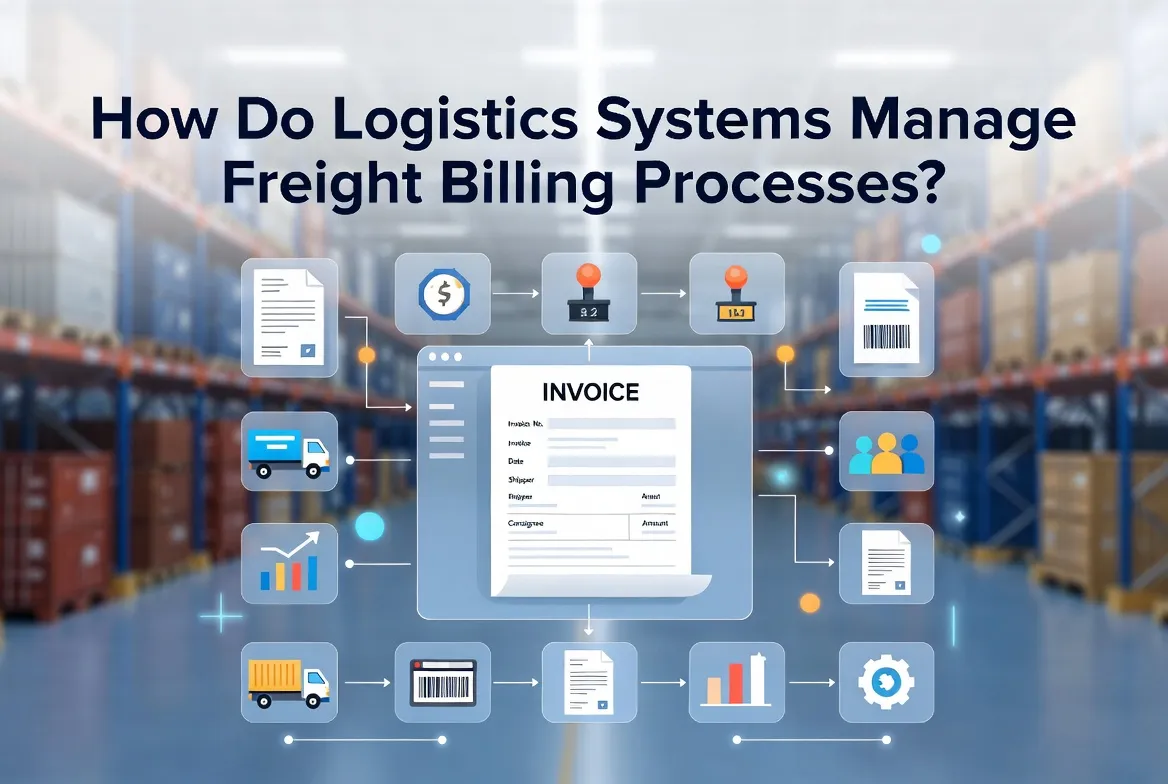
How Do Logistics Systems Manage Freight Billing Processes?
Introduction
A logistics platform for customer experience is a digital system designed to improve how customers interact with logistics providers by offering real-time visibility, self-service capabilities, and seamless communication. It matters because customer expectations in logistics have shifted toward transparency, speed, and convenience—similar to experiences in e-commerce and digital services.
By leveraging integrated platforms, logistics companies can move from reactive customer service to proactive, data-driven engagement.
What Is a Logistics Platform for Customer Experience
A logistics platform for customer experience is a system that connects customers directly to logistics operations, enabling them to access information, track shipments, and interact with service providers through a unified interface.
It typically includes:
Customer portals for self-service access
Real-time shipment tracking
Communication tools for updates and inquiries
Document and financial visibility
The goal is to create a seamless and transparent experience throughout the shipment lifecycle.
Why Customer Experience Matters in Logistics
1. Increasing Customer Expectations
Customers expect real-time updates, similar to what they experience in consumer-facing platforms.
2. Competitive Differentiation
Customer experience is becoming a key differentiator among freight forwarders and 3PLs.
3. Reduced Communication Friction
Digital platforms reduce the need for manual communication and follow-ups.
4. Improved Customer Retention
Better experiences lead to stronger relationships and long-term partnerships.
5. Operational Efficiency
Improved customer experience often results in more efficient workflows and fewer disruptions.
How Logistics Platforms Improve Customer Experience
1. Real-Time Visibility
Customers gain access to end-to-end shipment tracking through a unified timeline:
Shipment milestones are updated automatically
Exceptions and delays are clearly visible
Multi-mode tracking is consolidated into one view
2. Self-Service Capabilities
Customers can independently:
Track shipments
Access documents
Submit booking or quotation requests
Check billing information
This reduces dependency on manual support.
3. Unified Communication
Platforms centralize communication between:
Customers
Operations teams
Sales and support teams
All interactions are linked to specific shipments or orders, ensuring context and clarity.
4. Workflow Integration
Customer actions are integrated into operational workflows:
Booking requests trigger internal processes
Document uploads are shared across teams
Status updates automatically notify stakeholders
5. Automation and AI Support
Modern logistics platforms enhance customer experience through:
AI data recognition for faster data processing
Automated notifications for shipment updates
Automated billing and reconciliation processes
6. Multi-Role Collaboration
Customer experience improves when all stakeholders operate on the same platform:
Sales teams manage customer relationships
Operations teams handle execution
Documentation teams manage compliance
Customers access real-time updates
Key Features of Logistics Platforms for Customer Experience
End-to-end shipment visibility
Unified tracking across all transport modesCustomer self-service portals
Independent access to shipment data and servicesMilestone-based tracking
Clear and structured shipment progressCentralized communication tools
Integrated messaging and updatesDocument and financial visibility
Access to invoices, documents, and billing statusAutomated notifications
Real-time alerts for shipment updates and exceptionsSecure access control
Role-based permissions for data security
Benefits for Logistics Companies
1. Higher Customer Satisfaction
Real-time visibility and self-service capabilities improve customer experience.
2. Reduced Operational Workload
Fewer inquiries and manual interactions reduce pressure on teams.
3. Improved Transparency
Customers and internal teams access the same data, reducing misunderstandings.
4. Stronger Customer Relationships
Consistent and reliable service builds trust and loyalty.
5. Scalable Customer Management
Platforms allow companies to manage growing customer bases efficiently.
Best Practices / Use Cases
1. Implement Customer Portals
Provide customers with direct access to shipment data and services.
2. Enable Real-Time Tracking
Ensure shipment updates are accurate and available instantly.
3. Automate Customer Notifications
Send proactive updates for key milestones and exceptions.
4. Centralize Communication
Use platform-based communication instead of fragmented email threads.
5. Integrate Financial Visibility
Allow customers to view invoices and billing status within the platform.
Conclusion
Customer experience is becoming a critical factor in logistics operations. By adopting digital logistics platforms, companies can provide transparency, efficiency, and convenience that meet modern customer expectations.
As the logistics industry continues to evolve, platforms that prioritize customer experience will play a key role in driving competitiveness and growth.
Frequently Asked Questions
What is a logistics platform for customer experience?
It is a system that enhances customer interactions by providing real-time visibility, self-service tools, and integrated communication.
Why is customer experience important in logistics?
It improves customer satisfaction, strengthens relationships, and differentiates service providers.
How do logistics platforms improve customer experience?
Through real-time tracking, self-service portals, automated notifications, and unified communication.
What features support customer experience in logistics platforms?
Shipment tracking, document access, communication tools, and automated updates.
What are the benefits of improving customer experience in logistics?
Higher satisfaction, reduced workload, improved efficiency, and better customer retention.
About WallTech
WallTech provides digital logistics solutions designed to enhance customer experience through integrated and transparent operations. Its platforms enable end-to-end shipment visibility with milestone-based tracking, allowing customers to access real-time updates across global shipments. By connecting customers, internal teams, and partners within a unified system, WallTech supports seamless multi-role collaboration. The platform also incorporates automation capabilities such as AI-driven data recognition, workflow automation, and automated billing and reconciliation, helping logistics companies deliver efficient, scalable, and customer-centric services.
If you're exploring ways to improve your logistics operations, feel free to connect with us to learn more about our solutions and system capabilities.

.webp "What Is Logistics Exception Management and How It Works")


