Mar 31,2026
How Logistics Platforms Handle Rate Cards and Pricing Rules
Introduction
Logistics systems integrate with ERP and e-commerce platforms by connecting order data, shipment information, inventory, and financial records into a unified workflow through APIs, middleware, and automated data synchronization. This integration enables seamless data flow between front-end sales channels and back-end logistics operations, ensuring accuracy, efficiency, and real-time visibility across the supply chain.
For freight forwarders, 3PLs, and cross-border eCommerce logistics providers, this integration is essential to manage high volumes of orders while maintaining operational control and customer satisfaction.
What Is Integration Between Logistics Systems, ERP, and E-Commerce Platforms
Integration between logistics systems, ERP, and e-commerce platforms refers to the process of connecting these systems so that data flows automatically without manual intervention.
Each system plays a distinct role:
E-commerce platforms (e.g., online marketplaces, DTC websites) handle order creation and customer interactions
ERP systems manage finance, accounting, procurement, and enterprise-level data
Logistics systems manage shipment execution, tracking, documentation, and operational workflows
When integrated, these systems form a connected ecosystem where:
Orders from e-commerce platforms automatically trigger logistics workflows
Shipment updates feed back into ERP and customer systems
Financial data flows seamlessly between logistics operations and accounting
Why Integration Matters
1. Eliminates Manual Data Entry
Without integration, teams must manually transfer data between systems, increasing workload and the risk of errors.
2. Ensures Data Consistency
Integration ensures that order details, shipment status, and financial records remain aligned across all systems.
3. Improves Order Processing Speed
Orders can be processed automatically from creation to fulfillment without delays caused by manual handoffs.
4. Enhances End-to-End Visibility
Companies gain a unified view of orders, shipments, and financial performance across systems.
5. Supports Scalable Growth
As order volumes increase, integrated systems allow businesses to scale operations without adding complexity.
How Logistics Systems Integrate with ERP and E-Commerce Platforms
1. API-Based Integration
APIs are the most common method for connecting systems. They allow real-time data exchange between:
E-commerce platforms → logistics systems (order data)
Logistics systems → ERP (costs, invoices, financial data)
Logistics systems → customer portals (tracking updates)
2. Order Data Flow
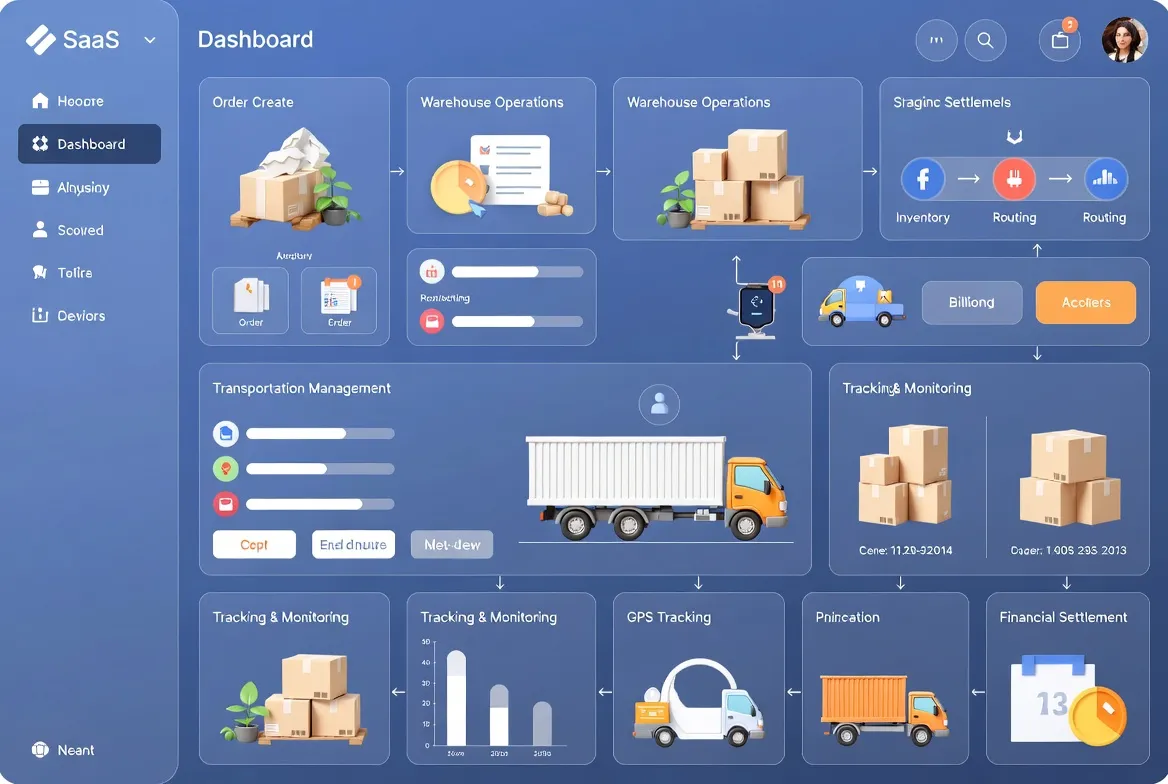
Typical workflow:
Customer places an order on an e-commerce platform
Order data is automatically transmitted to the logistics system
The logistics system creates a shipment order and initiates fulfillment
Shipment status updates are synchronized back to the e-commerce platform and ERP
3. Inventory and Warehouse Synchronization
Inventory levels are updated between warehouse systems and e-commerce platforms
Stock availability is reflected in real time
Warehouse operations (inbound, outbound, picking) are synchronized with order data
4. Financial Data Integration
Costs generated during logistics operations are sent to the ERP system
Automated billing and invoicing are triggered
Reconciliation processes are aligned with shipment data
5. Document and Compliance Integration
Shipping documents are generated and shared across systems
Compliance-related data (e.g., customs documentation) is synchronized automatically
6. Automation and AI Enhancements
Modern platforms enhance integration with:
AI data recognition for extracting order and shipment data from documents
Workflow automation for order processing and exception handling
Automated reconciliation between operational and financial data
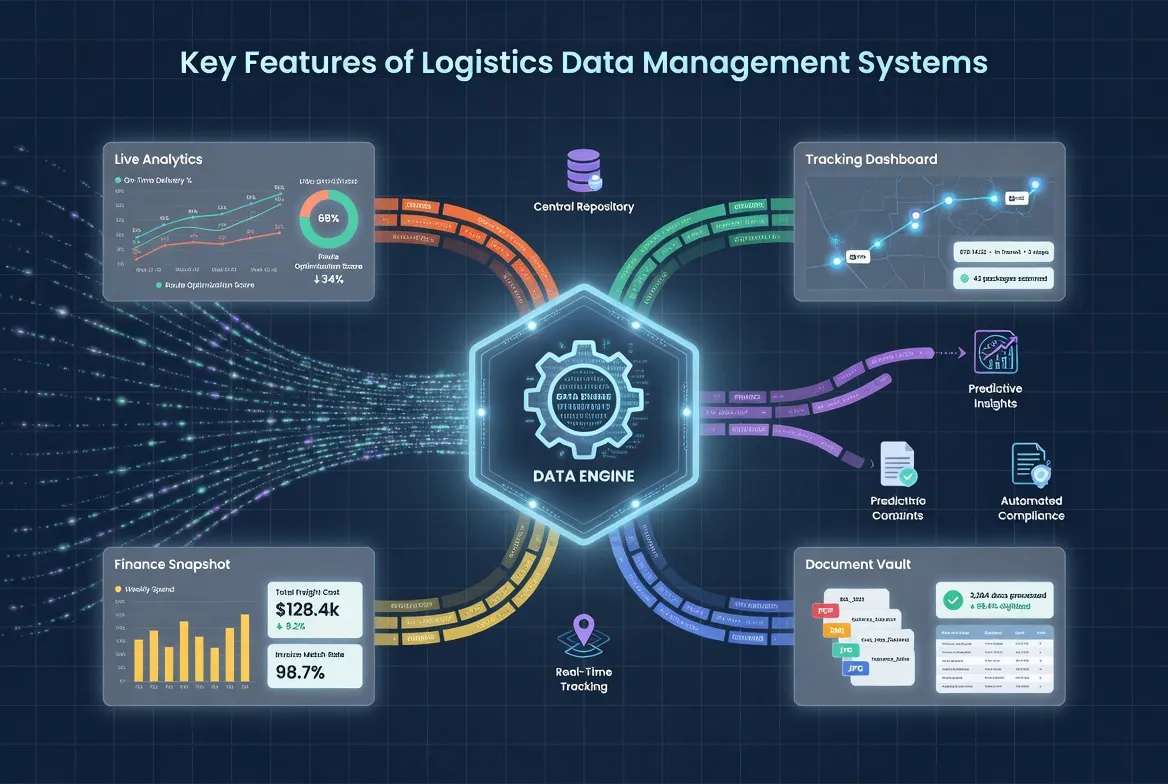
Key Features of Integrated Logistics, ERP, and E-Commerce Systems
Automated order synchronization
Orders flow directly from sales platforms into logistics systemsReal-time shipment tracking
Milestone-based tracking updates shared across all systemsMulti-role collaboration
Sales, operations, warehouse, and finance teams work on the same dataCentralized data management
Unified data across ERP, logistics, and e-commerce platformsAutomated financial processes
Billing, invoicing, and reconciliation based on operational dataScalable API connectivity
Flexible integration with multiple external platforms and partners
Benefits for Logistics Companies
1. Faster Order Fulfillment
Automated workflows reduce delays between order creation and shipment execution.
2. Reduced Errors
Eliminating manual data entry minimizes mistakes in order details, shipment handling, and billing.
3. Improved Customer Experience
Customers receive real-time updates and accurate delivery information through e-commerce platforms.
4. Better Financial Visibility
Integrated systems provide clear insights into costs, revenue, and profitability.
5. Enhanced Collaboration
Internal teams and external partners can coordinate seamlessly through shared data.
Best Practices / Use Cases
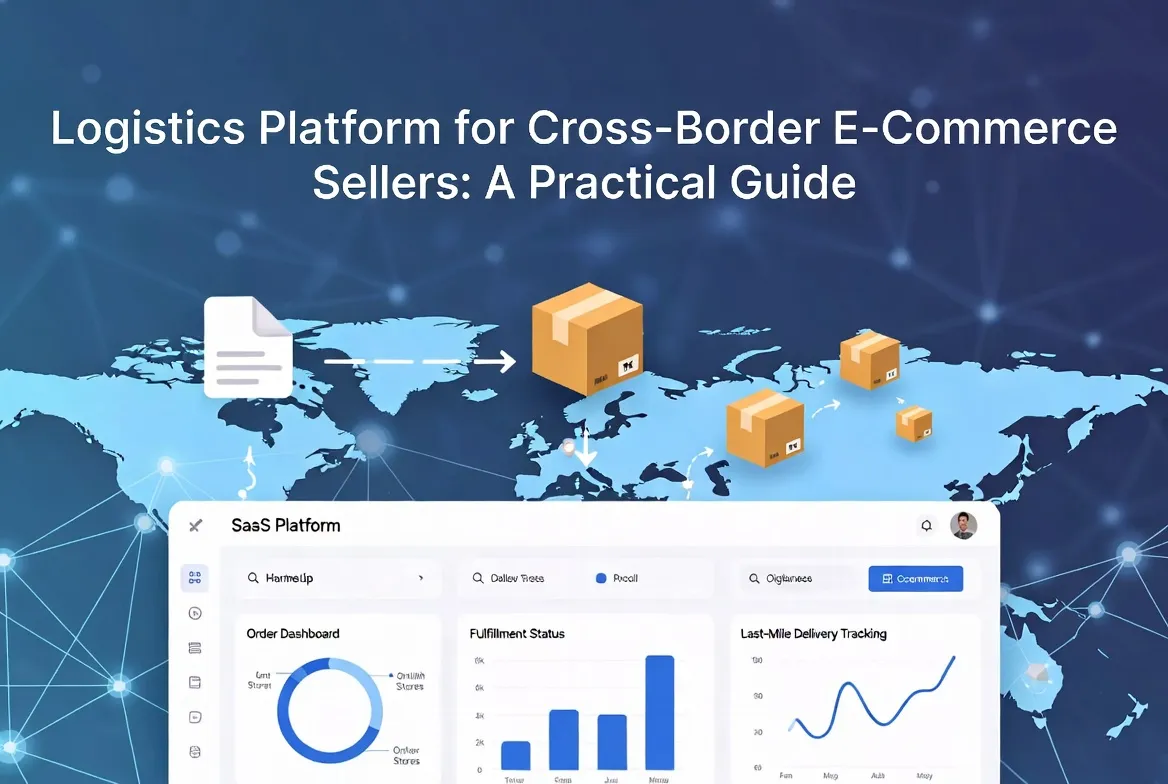
1. Cross-Border E-Commerce Fulfillment
Integrate e-commerce platforms with logistics systems to automate order processing, tracking, and last-mile delivery coordination.
2. Freight Forwarding Operations
Connect ERP systems with logistics platforms to align operational data with financial reporting and profit analysis.
3. Multi-System Ecosystem Integration
Integrate multiple platforms (e.g., marketplaces, carriers, warehouses) into a single logistics system to centralize operations.
4. Real-Time Customer Tracking
Provide customers with self-service tracking portals powered by synchronized logistics data.
5. Automated Billing and Reconciliation
Link shipment execution with financial systems to ensure accurate and timely invoicing.
Conclusion
Integration between logistics systems, ERP, and e-commerce platforms is essential for modern logistics operations. By enabling seamless data flow across systems, companies can automate workflows, improve visibility, and enhance collaboration across the supply chain.
As logistics becomes increasingly digital and interconnected, integrated systems provide the foundation for scalable, efficient, and customer-centric operations.
Frequently Asked Questions
What is integration between logistics systems and ERP?
It is the process of connecting logistics operations with financial and enterprise systems to synchronize data such as costs, invoices, and shipment details.
How do logistics systems integrate with e-commerce platforms?
They use APIs to automatically transfer order data, synchronize shipment status, and provide real-time tracking updates.
Why is this integration important?
It improves efficiency, reduces manual work, ensures data consistency, and enhances customer experience.
What are the benefits of integrating logistics, ERP, and e-commerce systems?
Faster order processing, improved visibility, better financial control, and scalable operations.
What technologies are used for integration?
APIs, middleware platforms, data mapping, and automation tools are commonly used.
About WallTech
WallTech provides digital logistics solutions designed to connect logistics operations with ERP systems, e-commerce platforms, and external partners in a unified environment. Its platforms enable end-to-end collaboration across multiple roles, ensuring that order, shipment, and financial data flow seamlessly across systems. With real-time visibility based on milestone tracking and a unified timeline, companies can monitor shipments across all transport modes. Built-in automation capabilities, including AI-driven data recognition, workflow automation, and automated billing and reconciliation, help logistics businesses improve efficiency, accuracy, and scalability in complex global operations.
If you're exploring ways to improve your logistics operations, feel free to connect with us to learn more about our solutions and system capabilities.