Apr 22,2026
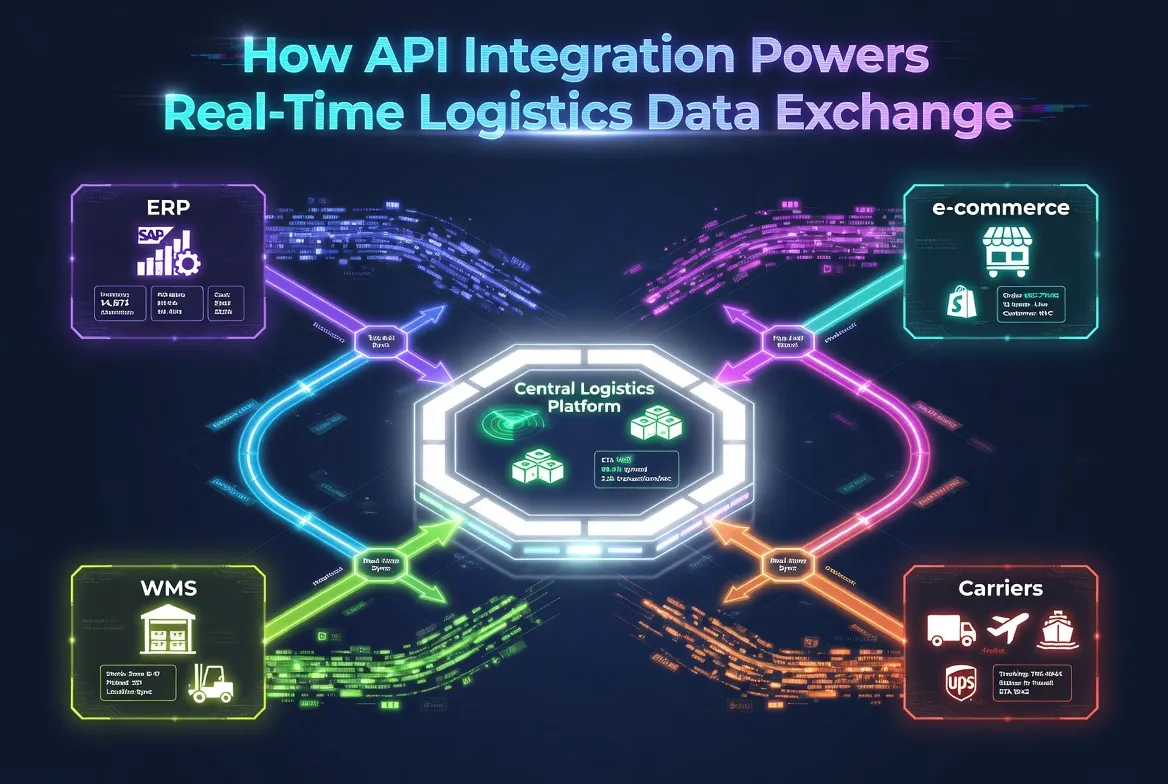
How API Integration Powers Real-Time Logistics Data Exchange
Introduction
Real-time tracking systems in logistics work by continuously collecting, processing, and updating shipment data from multiple sources—such as carriers, IoT devices, and integrated systems—to provide accurate, up-to-date visibility of cargo movement across the supply chain. These systems enable logistics companies to monitor shipments at every stage, detect delays instantly, and respond proactively to disruptions.
In modern logistics operations, where shipments move across multiple countries, partners, and transport modes, real-time tracking is a foundational capability for maintaining control, improving service reliability, and meeting customer expectations.
What is Real-Time Tracking in Logistics
Real-time tracking in logistics refers to the ability to monitor the location, status, and progress of shipments continuously as they move through the supply chain.
It provides visibility into:
Shipment location and movement
Transport milestones (departure, arrival, customs clearance)
Operational status updates
Exceptions such as delays or disruptions
Unlike traditional tracking methods that rely on periodic updates or manual inputs, real-time tracking systems provide continuous data flow and near-instant updates, ensuring that logistics teams always have the latest information.
Why Real-Time Tracking Matters
1. Improves Operational Visibility
Without real-time tracking, logistics teams rely on delayed or incomplete information.
Real-time systems provide:
Continuous shipment monitoring
Accurate status updates
Full visibility across transport modes
This allows teams to maintain control over operations at all times.
2. Enables Proactive Issue Management
Delays and disruptions are common in logistics.
With real-time tracking:
Issues are detected immediately
Alerts are triggered automatically
Teams can act before problems escalate
This reduces risks and improves delivery performance.
3. Enhances Customer Experience
Customers expect transparency and timely updates.
Real-time tracking enables:
Live shipment tracking
Accurate delivery estimates
Self-service tracking portals
This improves customer satisfaction and trust.
4. Supports Better Decision-Making
Access to real-time data allows logistics companies to:
Optimize routes and schedules
Adjust operations dynamically
Improve resource allocation
How Real-Time Tracking Systems Work
Real-time tracking systems operate through a combination of data collection, integration, and visualization technologies.
Step 1: Data Collection
Tracking data is collected from multiple sources, including:
Carrier systems (airlines, shipping lines, trucking companies)
GPS and IoT devices
Port and terminal systems
Manual updates when necessary
These data points provide information about shipment location and status.
Step 2: Data Integration
The system integrates data from various sources into a centralized platform.
This often involves:
API connections with carriers and partners
EDI integrations
Third-party tracking services
Integration ensures that all relevant data is consolidated into one system.
Step 3: Data Standardization
Different data sources use different formats.
The system standardizes this data into a unified structure, enabling consistent tracking and reporting across all shipments.
Step 4: Milestone-Based Tracking
Shipments are tracked through predefined milestones, such as:
Booking confirmation
Departure
Arrival
Customs clearance
Final delivery
These milestones provide structured visibility into shipment progress.
Step 5: Real-Time Updates and Alerts
As new data is received, the system updates shipment status instantly.
If deviations occur (e.g., delays or missed milestones):
Alerts are triggered automatically
Relevant stakeholders are notified
Corrective actions can be initiated
Step 6: Visualization and Dashboard
All tracking data is displayed in a unified dashboard, often with:
Timeline views
Status indicators
Exception highlights
This allows users to quickly understand shipment status and identify issues.
Key Features / Key Capabilities
1. End-to-End Tracking
Visibility across origin, transit, and destination
Multi-modal tracking (sea, air, land)
Unified shipment timeline
2. Milestone-Based Monitoring
Structured tracking events
Standardized shipment lifecycle
Clear progress tracking
3. Multi-Role Collaboration
Shared access for internal teams and partners
Role-based permissions
Real-time communication within workflows
4. Automated Alerts and Notifications
Exception detection
Delay alerts
Proactive notifications to stakeholders
5. AI-Powered Data Processing
OCR for extracting tracking data from documents
Automated data recognition
Reduced manual input and errors
6. Integration with External Systems
API connectivity with carriers and platforms
Data synchronization across systems
Scalable integration capabilities
Benefits for Logistics Companies
1. Increased Efficiency
Automated tracking reduces the need for manual status checks and follow-ups.
2. Reduced Operational Risks
Early detection of issues allows companies to mitigate risks before they impact delivery.
3. Improved Customer Satisfaction
Real-time updates enhance transparency and reduce customer inquiries.
4. Better Collaboration
All stakeholders access the same tracking data, improving coordination.
5. Enhanced Performance Monitoring
Companies can analyze tracking data to identify inefficiencies and optimize operations.
Best Practices / Use Cases
1. Freight Forwarding Operations
Real-time tracking enables forwarders to manage multiple shipments and provide accurate updates to customers.
2. Cross-Border eCommerce Logistics
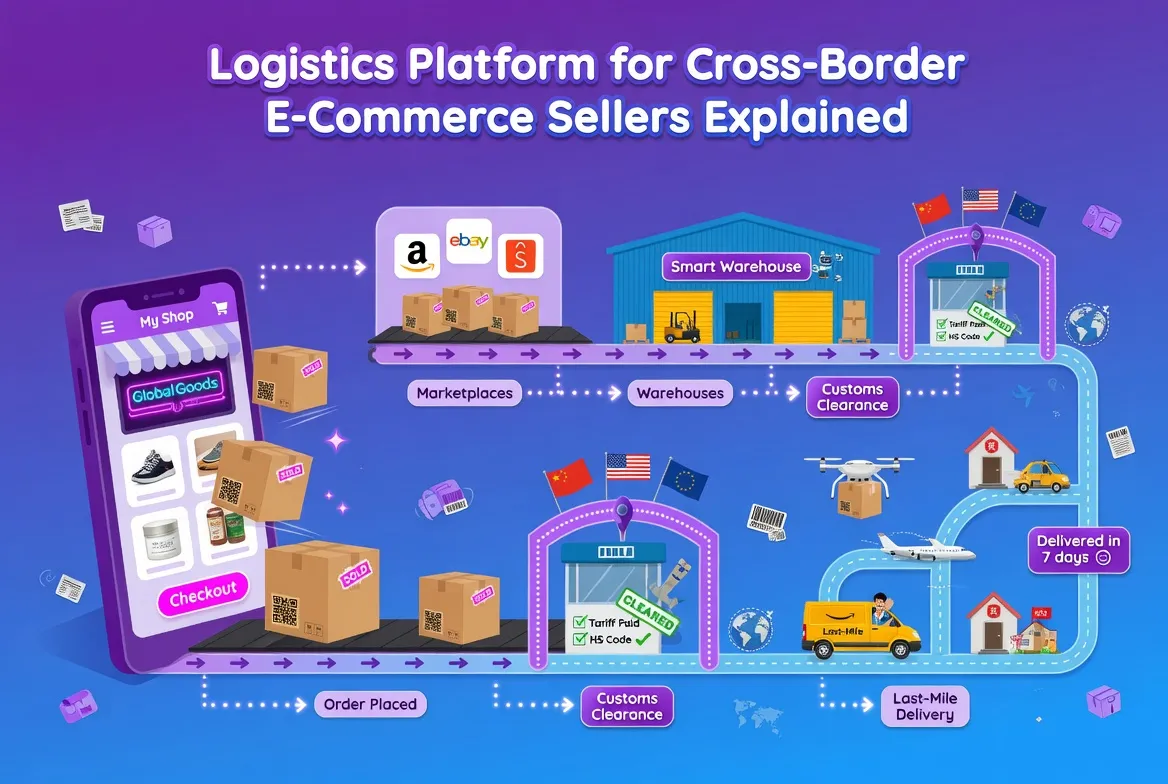
Tracking systems support visibility across international shipping, customs, and last-mile delivery.
3. Multi-Carrier Coordination
Companies working with multiple carriers can unify tracking data into one system for better control.
4. Exception-Driven Management
Teams can focus on managing disruptions rather than manually tracking every shipment.
Best Practices
Integrate with reliable carrier and tracking data sources
Use milestone-based tracking for consistency
Automate alerts and notifications
Provide tracking access to customers and partners
Conclusion
Real-time tracking systems are a critical component of modern logistics operations. By providing continuous visibility, automated alerts, and centralized data, they enable logistics companies to manage shipments more efficiently and respond quickly to disruptions.
As supply chains become more complex and customer expectations continue to rise, real-time tracking is essential for maintaining operational control and delivering high-quality logistics services.
Frequently Asked Questions
What is real-time tracking in logistics?
Real-time tracking is the ability to monitor shipment location and status continuously using live data from multiple sources.
How do real-time tracking systems work?
They collect data from carriers and devices, integrate it into a centralized system, and provide continuous updates and alerts.
Why is real-time tracking important?
It improves visibility, enables proactive issue management, and enhances customer experience.
What are the benefits of real-time tracking?
Key benefits include improved efficiency, reduced delays, better collaboration, and enhanced decision-making.
Who uses real-time tracking systems?
Freight forwarders, 3PL providers, and eCommerce logistics companies use real-time tracking to manage shipments.
About WallTech
WallTech provides digital logistics solutions that enable real-time tracking and end-to-end visibility across global supply chain operations. Its platforms connect multiple systems and partners into a unified environment, ensuring that shipment data is continuously updated and accessible.
With capabilities such as milestone-based tracking, workflow automation, AI-driven data processing, and integrated financial management, WallTech helps logistics companies reduce manual processes and improve operational efficiency. By enabling seamless collaboration and real-time insights, organizations can manage complex logistics operations with greater control and transparency.
If you're exploring ways to improve your logistics operations, feel free to connect with us to learn more about our solutions and system capabilities.
.webp "Best Practices for Managing Logistics Documents Digitally")