
Apr 15,2026
How Automated Data Sync Improves Logistics Efficiency
Introduction
Logistics visibility platforms for logistics network coordination are digital systems that help freight forwarders, 3PL providers, and global logistics companies manage communication, shipment visibility, and operational collaboration across complex supply chain networks. These platforms provide centralized coordination tools that connect multiple logistics stakeholders within unified operational workflows.
Modern logistics operations often involve carriers, warehouses, overseas agents, customs brokers, trucking providers, and customers operating across different countries and systems. Without coordinated visibility, logistics companies face communication delays, fragmented workflows, duplicated work, and reduced operational efficiency.
A logistics visibility platform improves logistics network coordination by providing real-time shipment visibility, milestone synchronization, multi-role collaboration, and automated operational processes throughout the supply chain.
What is Logistics Network Coordination
Logistics network coordination refers to the management and synchronization of logistics activities across multiple organizations, transportation providers, and operational systems.
The objective is to ensure that all participants within the supply chain can collaborate efficiently and access accurate operational information in real time.
A logistics network may include:
Freight forwarders
Shipping lines
Airlines
Warehouses
Customs brokers
Trucking companies
Overseas agents
Suppliers
Distributors
Customers
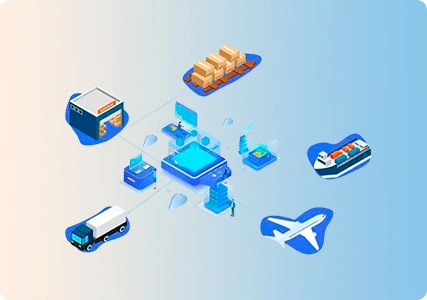
A logistics visibility platform acts as a centralized coordination layer that connects these participants and provides a unified operational environment.
Rather than relying on isolated communication channels and disconnected systems, companies can coordinate shipment activities through shared workflows and real-time visibility.
Why Logistics Network Coordination Matters
1. Supply Chains Involve Multiple Stakeholders
International logistics operations are highly collaborative.
A single shipment may involve multiple transportation providers, warehouses, customs agencies, and overseas partners.
Without proper coordination, operational inefficiencies increase significantly.
2. Fragmented Communication Slows Operations
Many logistics companies still rely heavily on:
Emails
Messaging applications
Excel spreadsheets
Manual status updates
Phone communication
This creates fragmented workflows and increases the risk of information inconsistency.
3. Shipment Delays Affect Multiple Parties
Transportation disruptions often impact:
Warehousing schedules
Delivery commitments
Customs processing
Inventory planning
Customer service operations
Coordinated logistics networks help stakeholders respond more quickly to operational changes.
4. Customers Expect Seamless Logistics Services
Modern customers expect logistics providers to deliver:
Real-time visibility
Accurate shipment updates
Faster issue resolution
Consistent communication
Reliable transportation coordination
Logistics network coordination helps companies improve service consistency across the supply chain.
How Logistics Visibility Platforms Support Network Coordination
Logistics visibility platforms improve network coordination by centralizing operational data and enabling collaborative workflows.
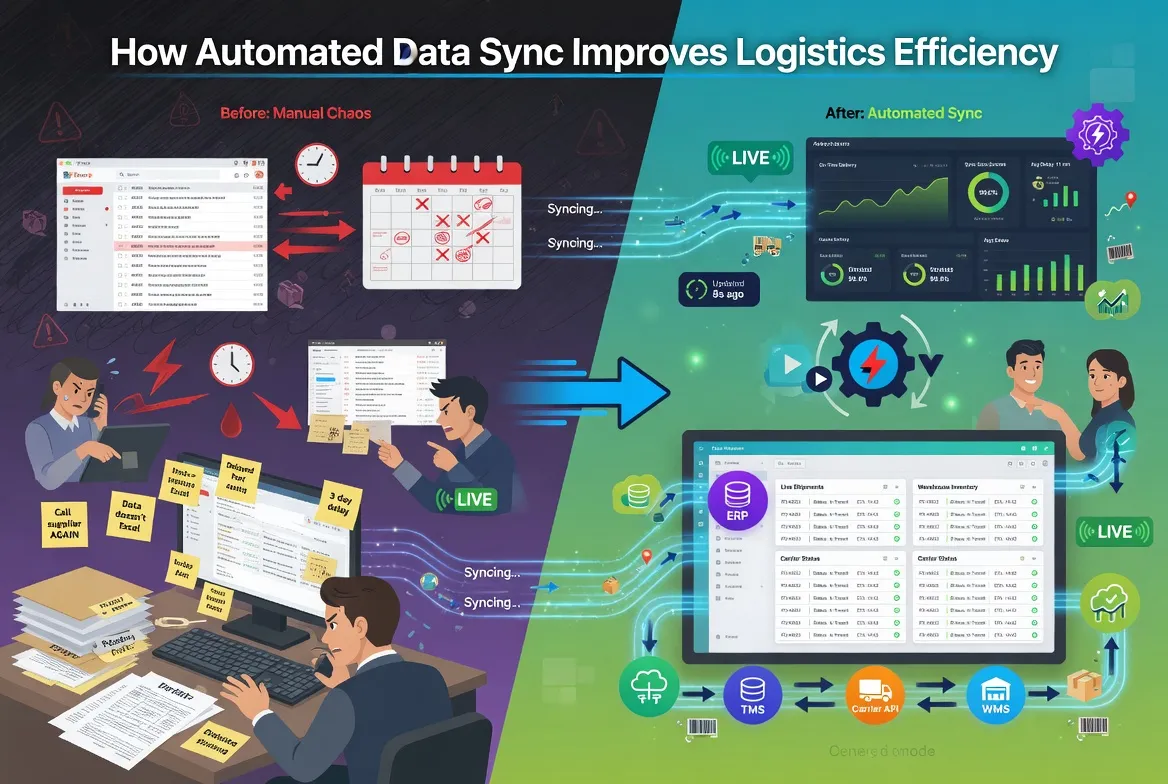
Step 1: Connecting Logistics Systems and Partners
The platform integrates with:
Carrier systems
TMS platforms
WMS systems
ERP platforms
Customs systems
Transportation providers
Customer systems
This creates a connected logistics ecosystem.
Step 2: Synchronizing Shipment Events
Shipment milestones and transportation events are synchronized automatically across the network.
This includes updates related to:
Cargo pickup
Warehouse operations
Customs clearance
Vessel or flight departures
Delivery confirmation
Real-time synchronization reduces communication delays.
Step 3: Creating Shared Operational Timelines
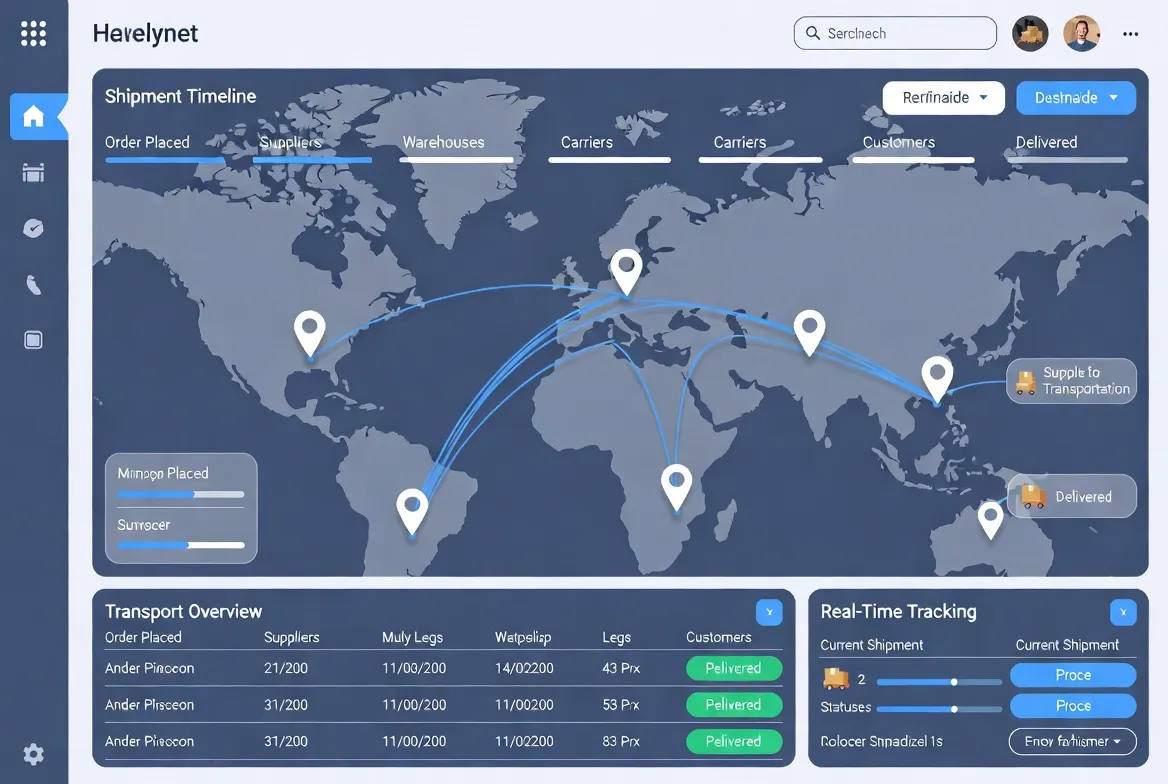
The system organizes shipment events into centralized timelines accessible by authorized stakeholders.
This allows logistics participants to view:
Shipment status
Transportation progress
Delays
Operational exceptions
Delivery milestones
Step 4: Enabling Multi-Role Collaboration
Different logistics participants can collaborate directly within operational workflows.
This may include:
Freight forwarders coordinating with overseas agents
Warehouses communicating with transportation providers
Customers monitoring shipment progress
Operations teams resolving exceptions together
Step 5: Automating Coordination Workflows
Modern platforms support workflow automation such as:
Automated task assignments
Shipment notifications
Delay alerts
Billing synchronization
Financial reconciliation
SOP execution
Automation reduces manual coordination work and improves operational consistency.
Key Features of Logistics Network Coordination Platforms
End-to-End Shipment Visibility
Users can monitor shipment movement across the entire logistics network.
Unified Operational Dashboards
Centralized dashboards provide visibility into shipment activity, operational status, and network performance.
Real-Time Milestone Synchronization
Shipment milestones are updated automatically across all connected participants.
Multi-Role Access Management
Different stakeholders can access role-specific operational information securely.
Exception Management
The platform identifies operational abnormalities such as:
Delayed shipments
Missing milestones
Transportation disruptions
Customs issues
Automated Notifications
The system sends automatic alerts and updates to relevant stakeholders.
Workflow Automation
Advanced systems support:
Automated billing
Reconciliation workflows
Internal task management
AI-assisted document processing
Operational SOP workflows
API Connectivity
Visibility platforms integrate with external logistics systems and third-party operational tools.
Benefits for Logistics Companies
Improved Operational Coordination
Centralized visibility improves synchronization across logistics participants.
Faster Communication
Real-time operational updates reduce delays caused by fragmented communication channels.
Better Shipment Transparency
All stakeholders gain access to shared shipment information and milestone visibility.
Reduced Manual Work
Automation reduces repetitive coordination tasks and operational follow-ups.
Improved Customer Service
Customers receive more consistent shipment updates and operational transparency.
Stronger Partner Collaboration
Unified workflows improve upstream and downstream logistics cooperation.
Improved Operational Scalability
Coordinated logistics networks are easier to scale as shipment volumes increase.
Best Practices and Use Cases
Freight Forwarding Operations
Freight forwarders use network coordination platforms to:
Manage overseas agent collaboration
Synchronize shipment milestones
Coordinate multimodal transportation
Improve customer communication
Cross-Border eCommerce Logistics
Cross-border logistics providers coordinate:
Warehouse operations
Customs processing
Last-mile delivery
Carrier management
Multi-Branch Logistics Organizations
Companies with international offices use visibility platforms to:
Synchronize operations globally
Share shipment data
Coordinate financial workflows
Improve operational standardization
Warehouse and Transportation Coordination
Warehouses and transportation providers collaborate through shared operational visibility and shipment timelines.
Financial and Operational Synchronization
Integrated workflows improve coordination between operational and financial processes such as billing and reconciliation.
Conclusion
Logistics network coordination has become increasingly important as global supply chains grow more interconnected and operationally complex. Logistics visibility platforms help organizations improve collaboration, synchronize operational activities, and centralize shipment visibility across multiple logistics participants.
By combining real-time tracking, milestone synchronization, workflow automation, and multi-role collaboration, visibility platforms improve operational efficiency and reduce communication fragmentation throughout the logistics network.
For freight forwarders, 3PL providers, and cross-border logistics companies, coordinated logistics visibility is now essential for scalable, efficient, and customer-focused supply chain management.
Frequently Asked Questions
What is logistics network coordination?
Logistics network coordination refers to the synchronization and management of logistics activities across multiple transportation providers, warehouses, partners, and operational systems.
How do logistics visibility platforms improve coordination?
They centralize shipment visibility, synchronize operational data, and enable real-time collaboration between logistics stakeholders.
Why is logistics coordination important?
Effective coordination improves operational efficiency, reduces communication delays, enhances shipment transparency, and improves customer service.
What are the benefits of logistics visibility platforms?
Benefits include real-time shipment visibility, workflow automation, improved collaboration, faster issue resolution, and operational scalability.
Who uses logistics network coordination platforms?
Freight forwarders, 3PL providers, cross-border logistics companies, warehouses, transportation providers, and supply chain operators commonly use these systems.
About WallTech
WallTech provides digital logistics solutions designed to improve logistics network coordination, shipment visibility, and operational efficiency for freight forwarders, cross-border logistics providers, and global supply chain operators. Its platforms support real-time shipment tracking, milestone synchronization, and end-to-end logistics collaboration across multiple logistics stakeholders.
WallTech solutions also support workflow automation, AI-assisted data recognition, automated billing and reconciliation, and centralized operational management for complex international logistics operations. By connecting upstream and downstream logistics participants within unified digital workflows, logistics companies can improve coordination efficiency, operational scalability, and customer experience.
If you're exploring ways to improve your logistics operations, feel free to connect with us to learn more about our solutions and system capabilities.