
Apr 10,2026
How Logistics Platforms Enable Customer Self-Service Tracking
Introduction
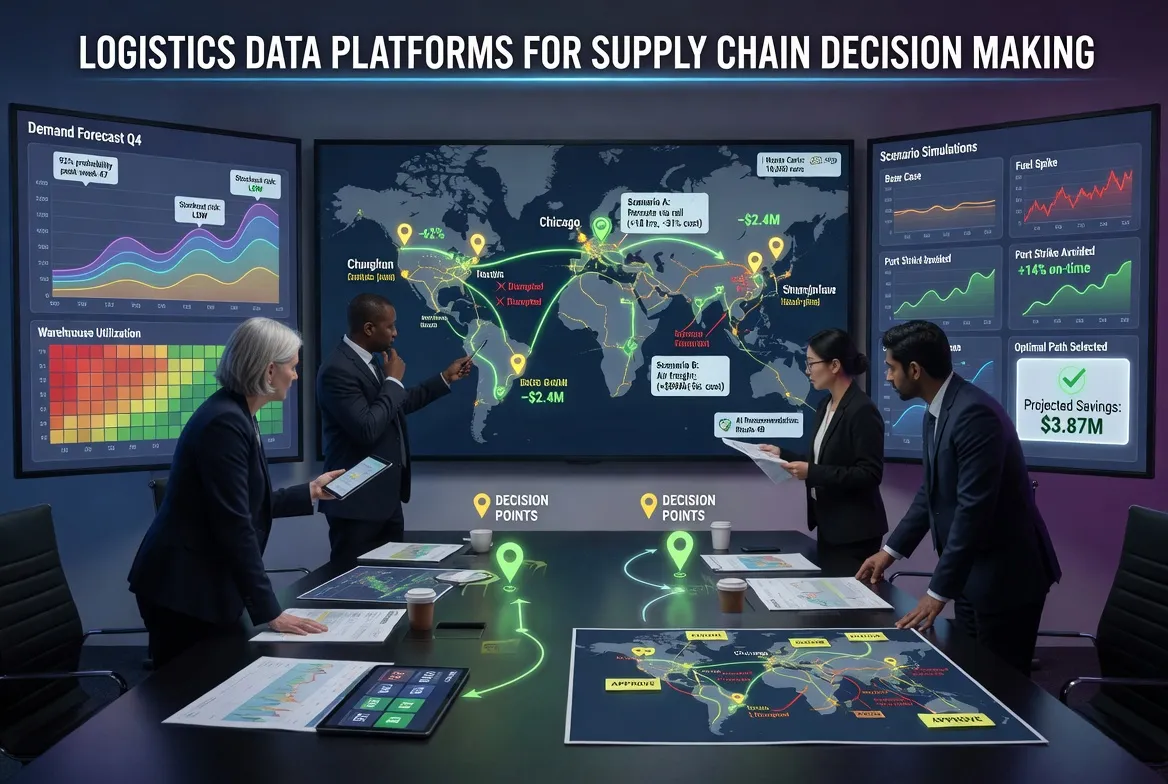
Logistics companies use data to optimize freight operations by collecting shipment and operational data, analyzing performance metrics, and applying insights to improve routing, resource allocation, cost control, and service quality. By leveraging structured data, companies can move from reactive problem-solving to proactive optimization, ensuring more efficient and scalable freight operations.
In today’s global logistics environment—characterized by fragmented systems, multiple stakeholders, and increasing customer expectations—data-driven optimization has become essential for freight forwarders, 3PLs, and cross-border eCommerce logistics providers.
What Is Data-Driven Freight Optimization?
Data-driven freight optimization refers to the use of operational, financial, and shipment data to improve the efficiency and effectiveness of logistics operations.
This includes optimizing:
Transport routes and transit times
Carrier selection and performance
Resource allocation (labor, capacity)
Cost structures and pricing strategies
Exception handling and risk management
Rather than relying on manual experience or isolated data points, companies use integrated data platforms to continuously analyze and improve operations.
Why Data Optimization Matters in Freight Operations
1. Increasing Operational Complexity
Modern logistics involves multi-modal transport, cross-border compliance, and multiple partners. Data helps manage this complexity systematically.
2. Reducing Costs
Freight costs are highly sensitive to inefficiencies. Data-driven insights help identify waste and optimize cost structures.
3. Improving Service Levels
Real-time data allows companies to monitor delivery performance and meet customer expectations more consistently.
4. Enhancing Agility
With access to live data, logistics teams can quickly adapt to disruptions, delays, or changing demand.
5. Enabling Scalable Growth
Standardized data and automated processes allow companies to scale operations without proportional increases in manual workload.
How Logistics Companies Use Data to Optimize Operations
1. Centralizing Shipment and Operational Data
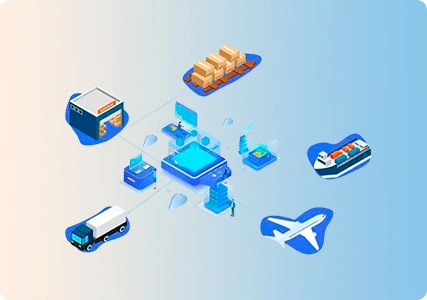
Logistics platforms collect data from:
Order management systems
Transportation and tracking systems
Warehouse operations
Financial and billing systems
External partners and carriers
This creates a unified data foundation across the entire shipment lifecycle.
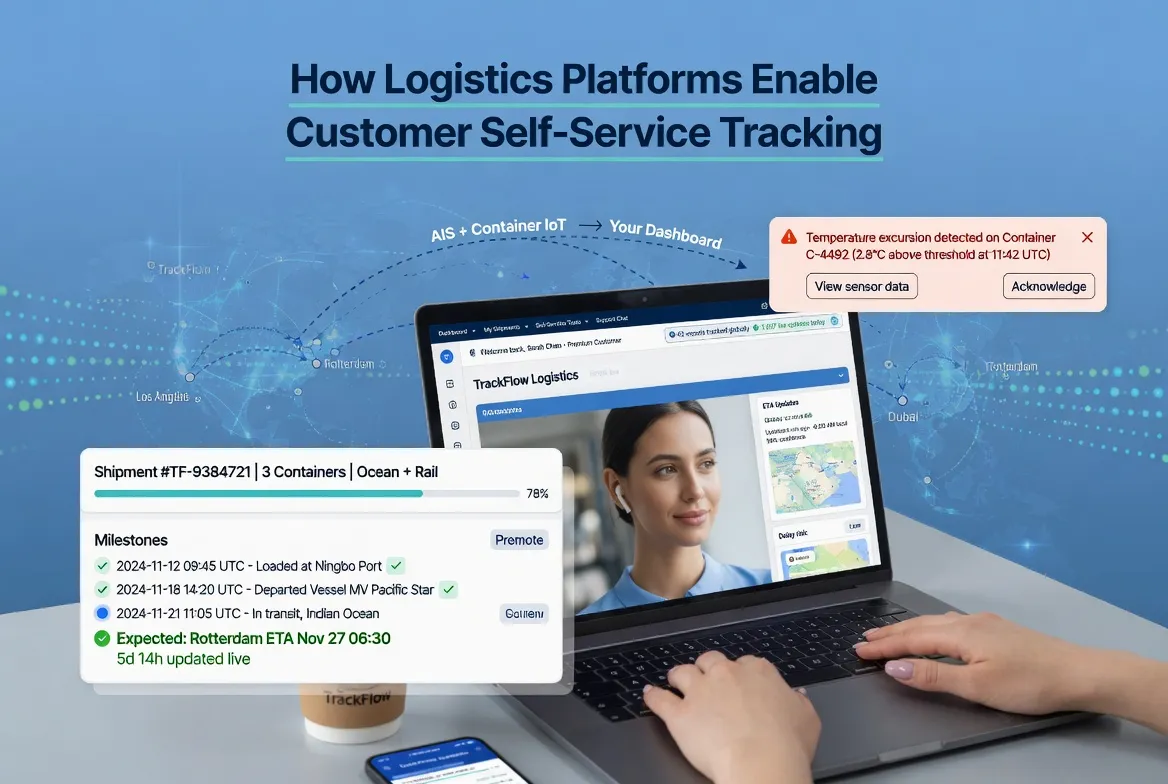
2. Establishing End-to-End Visibility
Data is structured into:
Milestone-based shipment timelines
Real-time tracking dashboards
Exception alerts and notifications
This visibility allows companies to monitor operations continuously and identify inefficiencies early.
3. Analyzing Performance Metrics
Key metrics analyzed include:
On-time delivery rate
Average transit time
Delay frequency and root causes
Cost per shipment
Resource utilization
These metrics provide insights into operational performance and areas for improvement.
4. Optimizing Routing and Carrier Selection
Using historical and real-time data, companies can:
Select the most reliable carriers
Optimize routes based on performance and cost
Adjust transport modes dynamically
Reduce transit time variability
This leads to more consistent and efficient delivery performance.
5. Automating Operational Workflows
Data-driven systems enable automation such as:
AI-based document recognition
Automated task assignments
Exception-triggered workflows
Automated billing and reconciliation
Automation reduces manual effort and ensures consistency across operations.
6. Improving Collaboration Across Stakeholders
Data sharing across roles and partners enables:
Real-time coordination between operations, finance, and customer service
Seamless communication with upstream suppliers and downstream partners
Reduced delays caused by miscommunication
This collaborative approach enhances overall operational efficiency.
Key Features of Data-Driven Freight Optimization Systems
End-to-End Visibility
Real-time tracking of shipments
Unified timeline across all milestones
Transparent status updates for all stakeholders
Multi-Role Collaboration
Shared data access across departments
Coordination with carriers, agents, and customers
Role-based permissions for data security
Workflow Automation
Automated data capture and validation
Automated billing and financial reconciliation
Exception-based workflow triggers
Advanced Analytics
KPI dashboards and performance reports
Trend analysis and forecasting
Cost and margin analysis
System Integration
API connectivity with ERP, WMS, and eCommerce platforms
Data synchronization across systems
Benefits for Logistics Companies
1. Reduced Operational Costs
Optimized routing, carrier selection, and workflows lead to lower costs.
2. Improved Efficiency
Automation and data-driven decision making reduce manual processes and errors.
3. Better Service Reliability
Consistent monitoring and optimization improve on-time delivery performance.
4. Enhanced Customer Experience
Real-time visibility and proactive communication increase transparency and trust.
5. Greater Scalability
Structured data and standardized processes support business growth without operational bottlenecks.
Best Practices and Use Cases
Best Practices
Centralize all operational data into a unified platform
Define clear KPIs for performance measurement
Automate repetitive processes to reduce manual work
Leverage real-time visibility for proactive management
Encourage cross-functional collaboration using shared data
Common Use Cases
1. Route Optimization
Analyze historical transit data to identify the most efficient routes.
2. Carrier Performance Management
Select and manage carriers based on performance data.
3. Cost Optimization
Identify cost drivers and optimize pricing strategies.
4. Exception Handling
Use real-time alerts to manage delays and disruptions proactively.
5. Capacity Planning
Use data trends to forecast demand and allocate resources effectively.
Conclusion
Data has become a critical driver of freight optimization in modern logistics. By collecting, analyzing, and applying shipment and operational data, logistics companies can significantly improve efficiency, reduce costs, and enhance service quality.
For freight forwarders and 3PLs operating in complex global supply chains, data-driven optimization is no longer optional—it is a key capability for maintaining competitiveness and achieving sustainable growth.
Frequently Asked Questions
What is data-driven freight optimization?
It is the use of shipment and operational data to improve efficiency, reduce costs, and enhance logistics performance.
How do logistics companies use data to optimize operations?
They analyze performance metrics, optimize routing and carrier selection, and automate workflows based on data insights.
Why is data important in freight operations?
It improves decision making, increases efficiency, and enables proactive management of logistics processes.
What are the benefits of using data in logistics?
Benefits include cost reduction, improved service quality, better visibility, and scalable operations.
How does data improve logistics efficiency?
By identifying inefficiencies, enabling automation, and supporting informed decision making.
About WallTech
WallTech provides digital logistics solutions that help companies leverage data to optimize freight operations. Its platforms support end-to-end logistics collaboration, connecting multiple roles and partners within a unified system. With real-time shipment visibility and milestone-based tracking, logistics teams can monitor and manage operations more effectively. In addition, workflow automation—such as AI-powered data recognition, automated billing, and reconciliation—reduces manual effort and improves operational accuracy. By integrating visibility, collaboration, and automation, WallTech enables logistics providers to enhance efficiency and scale their business with confidence.
If you're exploring ways to improve your logistics operations, feel free to connect with us to learn more about our solutions and system capabilities.