

May 09,2025
Temu Unveils Y2 Shipping Model
Introduction
Digital logistics platforms for freight data integration are systems that unify and synchronize data across multiple logistics systems, partners, and operational processes. These platforms enable seamless data exchange between freight forwarders, carriers, warehouses, eCommerce platforms, and financial systems, creating a single, consistent source of truth.
In modern logistics, where data is often fragmented across different tools and stakeholders, freight data integration is essential for improving visibility, reducing manual work, and enabling efficient decision-making.
What is a Digital Logistics Platform for Freight Data Integration
A digital logistics platform for freight data integration is a centralized system that connects and consolidates data from various internal and external sources into one unified environment.
It integrates:
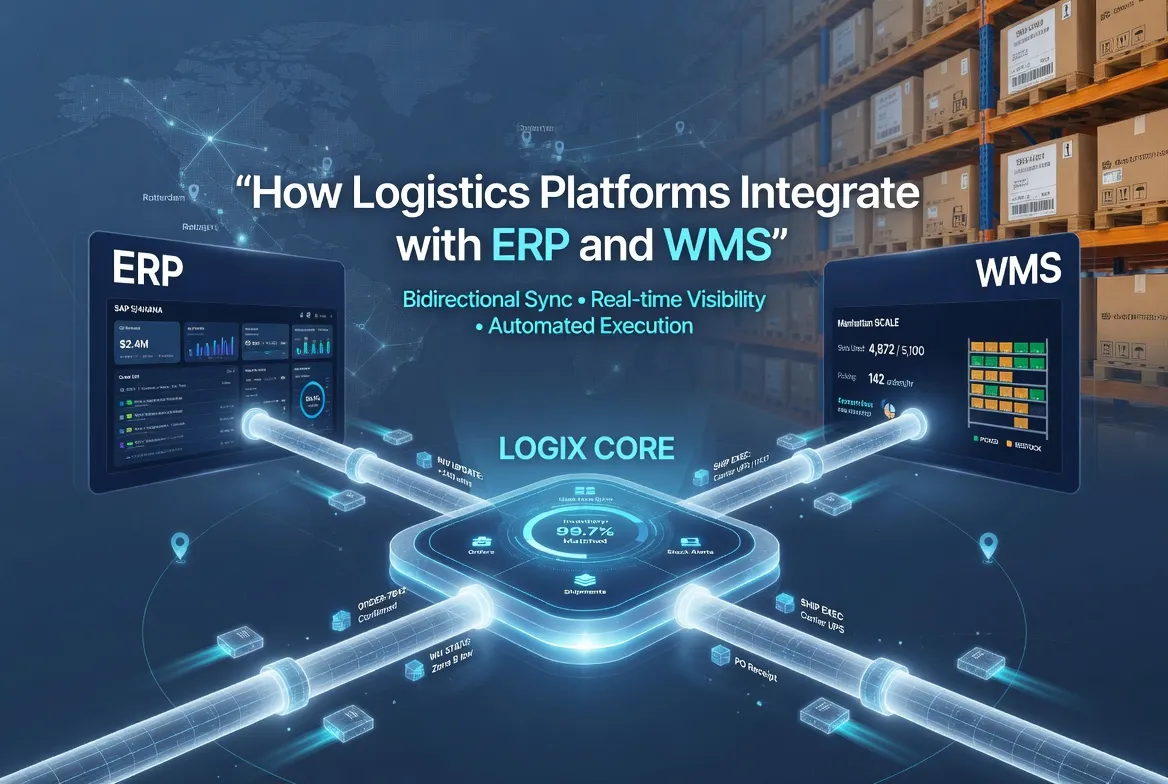
Order data from ERP and eCommerce platforms
Shipment tracking data from carriers and tracking providers
Warehouse and inventory data from WMS systems
Financial data from billing and accounting systems
Documentation and compliance data
The goal is to eliminate data silos and ensure that all stakeholders operate based on the same, real-time information.
Why Freight Data Integration Matters
Freight operations rely heavily on accurate and timely data. However, many logistics companies still face challenges such as:
Disconnected systems leading to inconsistent data
Manual data transfer between platforms
Duplicate data entry across departments
Delayed updates affecting operational decisions
Lack of data visibility across the supply chain
These issues result in:
Increased operational costs
Higher risk of errors
Inefficient workflows
Limited scalability
Freight data integration solves these problems by creating a seamless data flow across the logistics ecosystem.
How Digital Logistics Platforms Enable Freight Data Integration
Digital logistics platforms integrate freight data through structured connectivity, synchronization, and automation.
1. API and EDI Integration
The platform connects with external systems using:
APIs for real-time data exchange
EDI for standardized communication with partners
This enables seamless integration with:
ERP systems
WMS platforms
Carrier systems
Customs systems
2. Centralized Data Hub
All integrated data is stored and managed in a centralized platform:
Eliminates duplication of data across systems
Provides a single source of truth
Ensures consistency across all operations
3. Real-Time Data Synchronization
Data updates are synchronized instantly:
Shipment status updates from carriers
Order updates from customers or internal teams
Inventory updates from warehouses
This ensures that all stakeholders have access to the latest information.
4. Data Standardization
The platform standardizes data formats:
Aligns data structures across systems
Reduces inconsistencies and errors
Enables smoother communication between different systems
5. Automated Data Processing
Automation reduces manual handling of data:
AI-based data recognition extracts information from documents
Automated workflows transfer data between modules
System-generated updates reduce manual intervention
Key Features / Key Capabilities
Digital logistics platforms for freight data integration typically include:
1. Multi-System Integration
API/EDI connectivity with ERP, WMS, carriers, and customs systems
Seamless data exchange across platforms
2. Unified Data Management
Centralized database for all logistics data
Single source of truth for operations
3. Real-Time Data Synchronization
Instant updates across all connected systems
Consistent data availability
4. AI Data Recognition
OCR for extracting data from documents
Reduced manual data entry
5. Cross-Module Data Flow
Automatic data sharing between operational, tracking, and financial modules
Elimination of duplicate work
6. Scalable Integration Architecture
Ability to connect new partners and systems easily
Flexible integration for evolving business needs
These capabilities enable logistics companies to build a connected, data-driven operational environment.
Benefits for Logistics Companies
Improved Data Accuracy
Reduced errors from manual data entry
Consistent information across systems
Increased Operational Efficiency
Elimination of repetitive data handling
Faster processing of orders and shipments
Enhanced Visibility
Real-time access to integrated data
Better tracking and monitoring of operations
Better Decision-Making
Access to reliable, up-to-date data
Improved planning and forecasting
Scalable Operations
Easy integration with new partners and systems
Ability to support business growth
Best Practices / Use Cases
1. Freight Forwarders
Integrate order, shipment, and financial data
Synchronize information across global branches
Reduce manual reconciliation efforts
2. Cross-Border eCommerce Logistics
Connect eCommerce platforms with logistics systems
Automate order data flow and tracking updates
Improve fulfillment efficiency
3. 3PL Providers
Integrate warehouse and transportation systems
Provide unified data access for clients
Enhance service transparency
4. Multi-System Enterprises
Replace disconnected legacy systems
Build a centralized data infrastructure
Enable seamless collaboration across departments
Conclusion
Digital logistics platforms for freight data integration are critical for overcoming data fragmentation in modern logistics operations. By connecting systems, standardizing data, and enabling real-time synchronization, these platforms create a unified and efficient logistics environment.
As logistics networks become more complex, the ability to integrate and manage data effectively will be a key factor in operational success and competitive advantage.
Frequently Asked Questions
What is freight data integration in logistics?
Freight data integration refers to the process of connecting and synchronizing data across multiple logistics systems and stakeholders to ensure consistent and accurate information flow.
How do digital logistics platforms integrate freight data?
They use APIs, EDI, and centralized data management to connect systems, standardize data, and synchronize updates in real time.
Why is data integration important in logistics?
It reduces errors, eliminates manual work, improves visibility, and enables better decision-making across the supply chain.
What are the benefits of freight data integration?
Benefits include improved accuracy, increased efficiency, enhanced visibility, and scalable operations.
Who needs freight data integration solutions?
Freight forwarders, 3PL providers, cross-border eCommerce logistics companies, and enterprises with multiple systems benefit from data integration.
About WallTech
WallTech provides digital logistics platforms that enable seamless freight data integration across global supply chains. By connecting multiple systems and stakeholders, the platform ensures unified data flow and real-time synchronization. With capabilities such as AI-driven data recognition, workflow automation, and integrated financial processes, logistics companies can eliminate data silos and improve operational efficiency. Combined with end-to-end visibility and multi-role collaboration, WallTech supports scalable and data-driven logistics operations.
If you're exploring ways to improve your logistics operations, feel free to connect with us to learn more about our solutions and system capabilities.