

Mar 09,2023
Application of Logistic Data in Shipping
Freight forwarding operations involve coordinating shipments across multiple transportation modes, partners, and operational stages. From the initial quotation and booking to cargo tracking and financial settlement, each shipment requires careful management and communication.
As shipment volumes grow and logistics networks become more complex, relying on manual tools or disconnected systems can significantly reduce operational efficiency. Modern freight forwarding operations platforms address this challenge by integrating core logistics functions into a single digital environment.
These platforms provide a structured framework that helps freight forwarders manage orders, coordinate operations, track shipments, and handle financial processes more efficiently.
Order and Shipment Management
At the core of any freight forwarding operations platform is an order and shipment management module. This component allows logistics teams to create, manage, and monitor shipment orders throughout the entire transportation process.
Shipment records typically include details such as cargo information, origin and destination locations, transportation modes, service providers, and operational instructions. By organizing this data within a centralized system, freight forwarders can manage the complete lifecycle of each shipment more efficiently.
Order management also ensures that all operational teams work with consistent and up-to-date information.
Transportation Operations Management
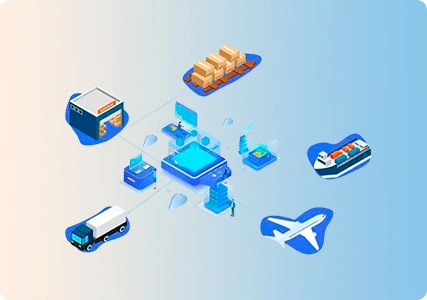
Freight forwarding often involves multiple transportation modes, including ocean freight, air freight, land transportation, and multimodal logistics.
An operations platform provides tools to manage these transportation activities within a unified system. Logistics teams can coordinate bookings, track cargo movements, and record operational milestones throughout the shipment journey.
By consolidating transportation management into one platform, freight forwarders gain better control over complex logistics processes.
Shipment Tracking and Visibility
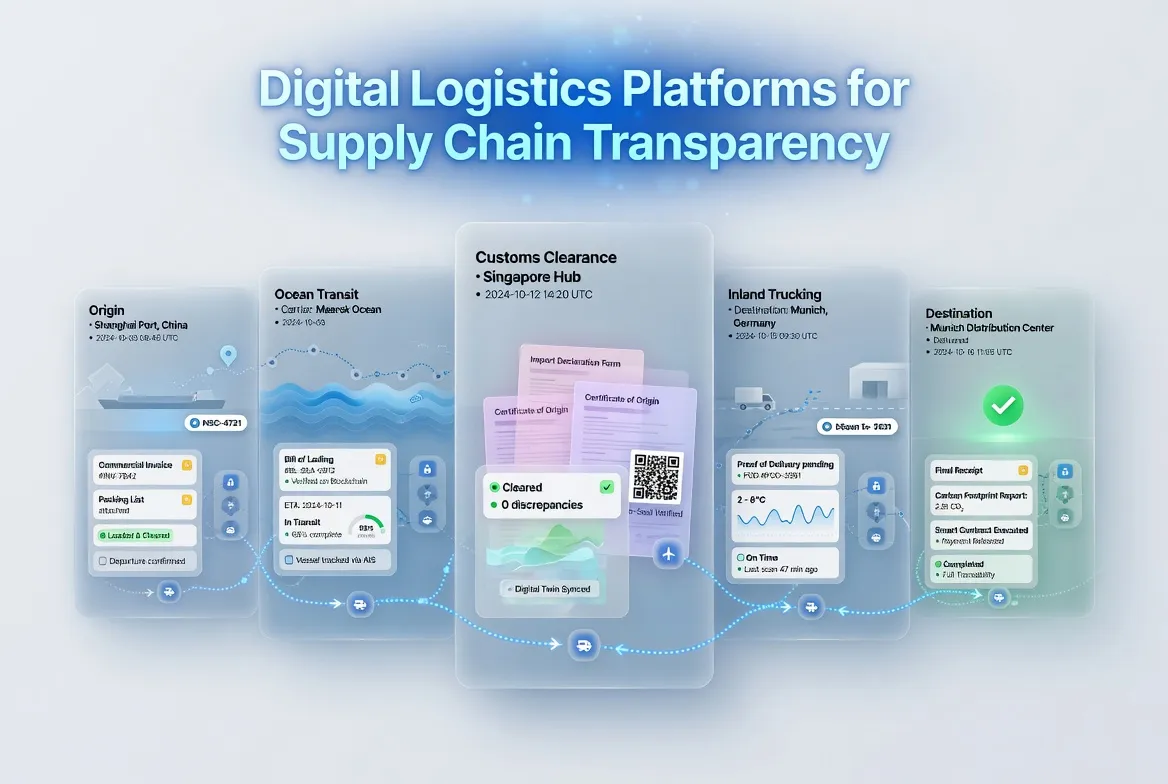
Real-time shipment visibility has become a critical capability for logistics companies and their customers. Modern freight forwarding platforms integrate tracking data from multiple sources, including carriers, ports, and logistics partners.
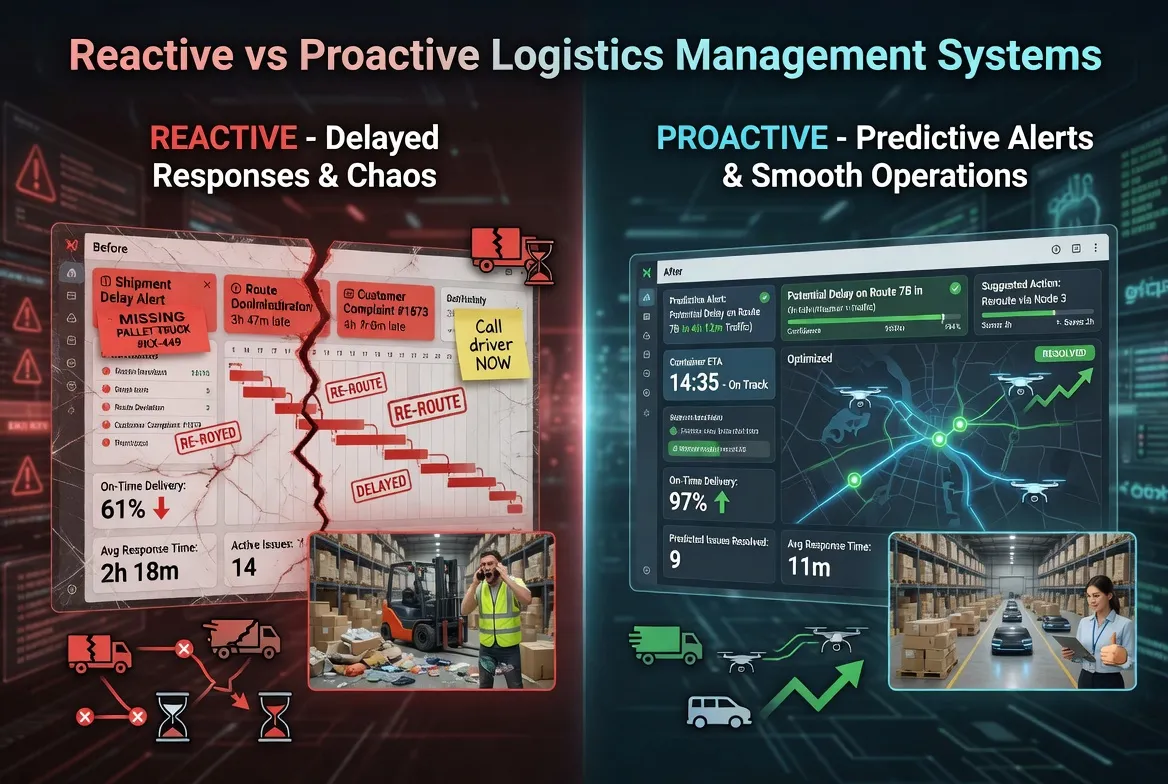
This information is presented through a unified tracking interface that allows users to monitor shipment progress across different transportation stages. Operational teams can quickly identify delays or disruptions, while customers can access shipment updates without requesting manual status reports.
Improved visibility enhances both operational efficiency and customer service.
Document Management
International logistics operations rely heavily on documentation. Shipping instructions, bills of lading, invoices, packing lists, and customs-related documents must be prepared, stored, and shared throughout the shipment process.
Freight forwarding platforms include document management capabilities that allow users to upload, generate, and organize documents directly within the shipment workflow.
By linking documents to shipment records, logistics teams can easily access and manage required files without relying on external document storage systems.
Financial and Billing Management
Financial coordination is another essential component of freight forwarding operations. Each shipment may involve multiple cost items, including freight charges, service fees, and operational expenses.
Modern logistics platforms integrate financial management modules that allow companies to generate invoices, track receivables and payables, and calculate shipment profitability.
Connecting financial processes with operational data improves billing accuracy and simplifies financial reconciliation.
Partner Collaboration and Integration
Freight forwarding operations often involve collaboration with external partners such as overseas agents, carriers, warehouses, and customs brokers.
An effective operations platform supports system integration and partner collaboration by enabling data exchange through APIs or other integration mechanisms. Shipment information, tracking events, and operational instructions can be shared across connected systems.
This connectivity allows logistics companies to coordinate activities across multiple partners more efficiently.
Data Analysis and Operational Reporting
Operational data generated by logistics activities provides valuable insights into business performance. Freight forwarding platforms typically include reporting and analytics capabilities that allow companies to analyze shipment volumes, operational efficiency, and financial results.
These insights help logistics companies identify operational bottlenecks, optimize processes, and improve decision-making.
Building a Unified Logistics Operations Environment
A modern freight forwarding operations platform brings together multiple operational components within a single digital infrastructure. By integrating order management, transportation coordination, tracking, document handling, and financial management, these platforms help logistics companies streamline their daily operations.
For freight forwarders managing complex international shipments, a unified operations platform provides the structure and visibility needed to improve efficiency, maintain service quality, and support long-term business growth.