Apr 21,2026
Logistics Platform for Amazon Sellers: Workflow and Benefits
Introduction
Global supply chains are more interconnected than ever, spanning multiple countries, transportation modes, and business partners. As operations scale, managing data across these complex networks becomes a major challenge.
Logistics data platforms play a critical role in supporting global supply chains by centralizing data, enabling real-time visibility, and facilitating seamless collaboration across all stakeholders. These platforms transform fragmented information into actionable insights, allowing companies to operate more efficiently and respond quickly to changes.
What Is a Logistics Data Platform
A logistics data platform is a centralized system that aggregates, processes, and distributes data across different logistics operations and systems.
It typically integrates data from:
Order management systems
Warehouse management systems (WMS)
Transportation and carrier systems
Financial and billing systems
External partners such as customs, carriers, and suppliers
By consolidating these data sources, the platform provides a unified view of the entire supply chain.
Why Logistics Data Platforms Are Important for Global Supply Chains
1. Managing Complexity
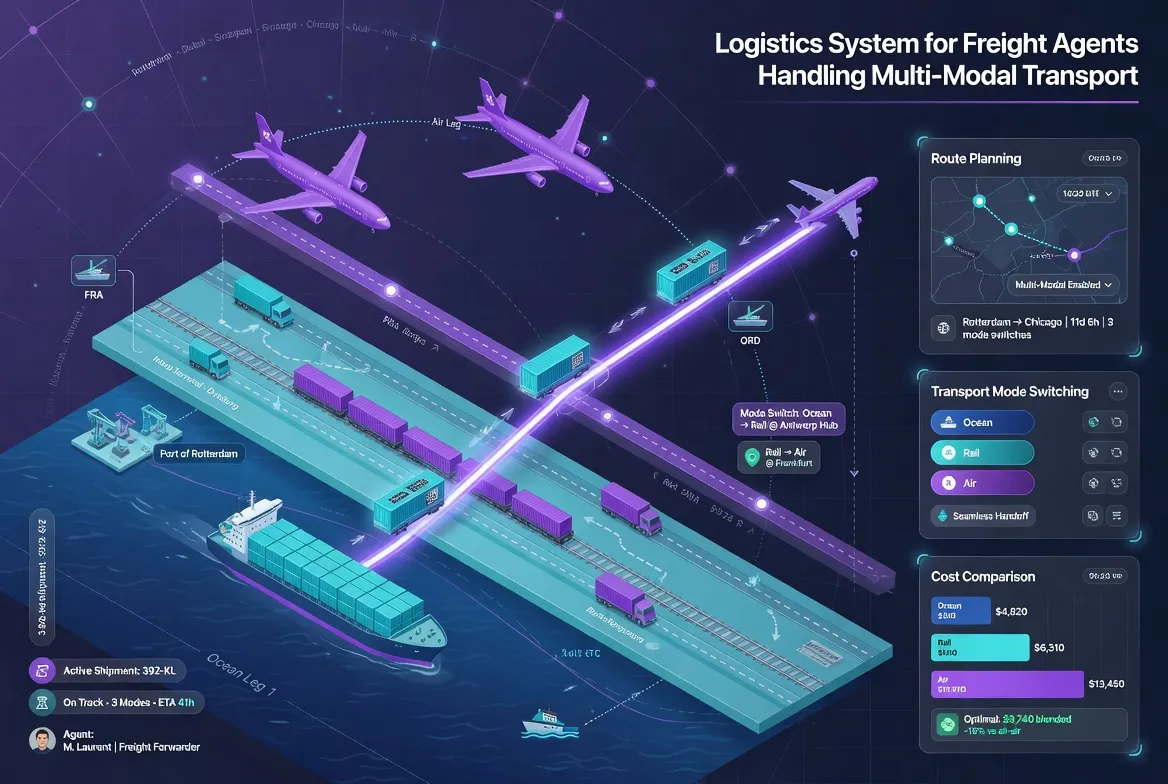
Global supply chains involve multiple nodes, partners, and systems. Data platforms help manage this complexity by bringing all information into a single environment.
2. Enabling Real-Time Visibility
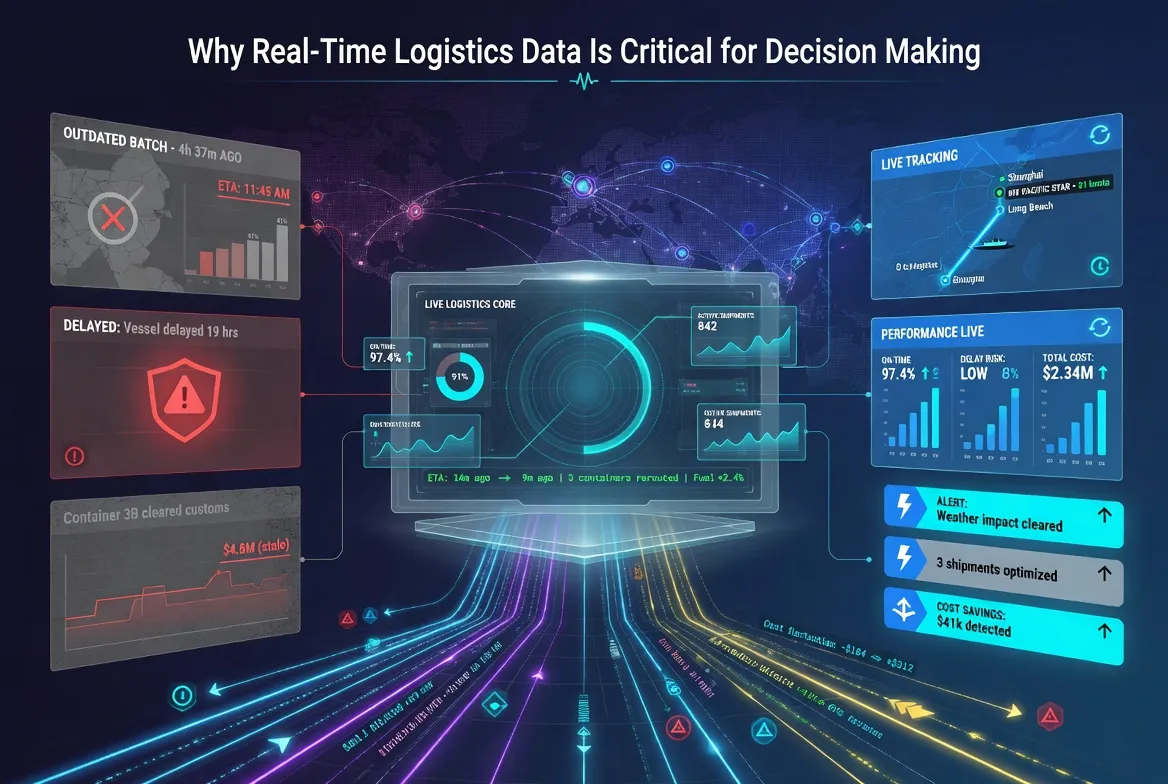
Without centralized data, it is difficult to track shipments and inventory across regions. Data platforms provide real-time insights into supply chain operations.
3. Improving Coordination
Data platforms enable better communication and coordination between stakeholders, reducing delays and inefficiencies.
4. Supporting Data-Driven Decisions
Access to accurate, real-time data allows companies to make informed decisions about routing, inventory, and costs.
5. Enhancing Scalability
As operations expand globally, data platforms can scale to handle increased data volume and complexity.
How Logistics Data Platforms Work
1. Data Aggregation
The platform collects data from multiple internal and external systems, creating a centralized data repository.
2. Data Standardization
Data from different sources is standardized into a consistent format for easier analysis and integration.
3. Real-Time Data Processing
The platform processes and updates data continuously, ensuring that users have access to the latest information.
4. Integration with External Ecosystems
Logistics data platforms connect with carriers, customs systems, and other partners to enable seamless data exchange.
5. Visualization and Reporting
Dashboards and analytics tools present data in a clear and actionable format.
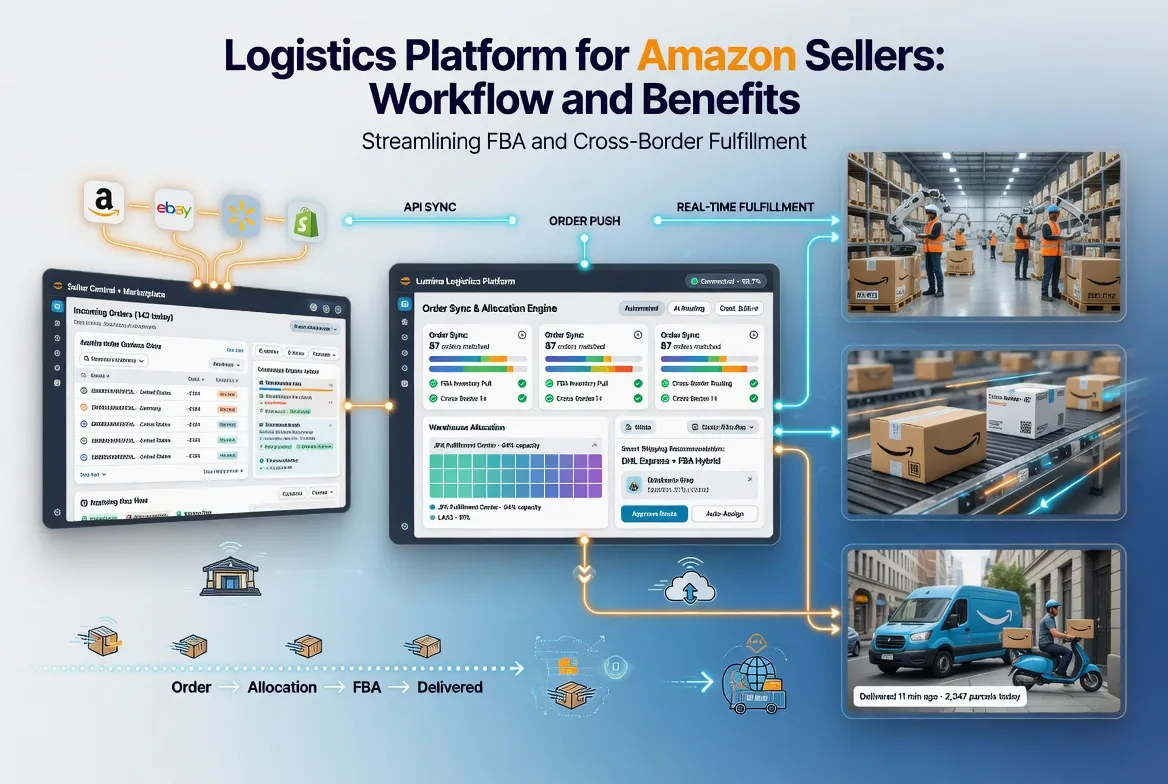
For example, advanced logistics platforms can integrate multiple systems—including ERP, WMS, and transportation networks—while enabling real-time data sharing and visibility across global supply chain operations.
Key Features of Logistics Data Platforms
1. Centralized Data Hub
Aggregates data from multiple systems into a single platform.
2. Real-Time Visibility
Provides up-to-date information on shipments, inventory, and operations.
3. Multi-System Integration
Supports connections with various internal and external systems.
4. Advanced Analytics
Enables data analysis, reporting, and performance monitoring.
5. Role-Based Access Control
Ensures that users can access relevant data securely.
6. Scalability
Handles growing data volumes and expanding operations.
7. Collaboration Tools
Facilitates communication and data sharing among stakeholders.
Benefits of Logistics Data Platforms
1. Improved Operational Efficiency
Automation and centralized data reduce manual work and streamline processes.
2. Enhanced Supply Chain Visibility
Companies gain a comprehensive view of their operations across regions and partners.
3. Faster Decision-Making
Real-time data enables quick responses to disruptions and opportunities.
4. Reduced Costs
Better visibility and coordination help optimize routes, inventory, and resource allocation.
5. Increased Customer Satisfaction
Accurate tracking and timely updates improve service reliability.
6. Stronger Partner Collaboration
Shared data improves coordination with carriers, suppliers, and other stakeholders.
Conclusion
Logistics data platforms are essential for managing modern global supply chains. By centralizing data, enabling real-time visibility, and integrating multiple systems, these platforms provide the foundation for efficient and scalable logistics operations.
As global trade continues to evolve, companies that leverage logistics data platforms will be better equipped to handle complexity, optimize performance, and maintain a competitive advantage in the international market.