Feb 10,2026
Weekly Logistics Industry Update - Week 7 of 2026
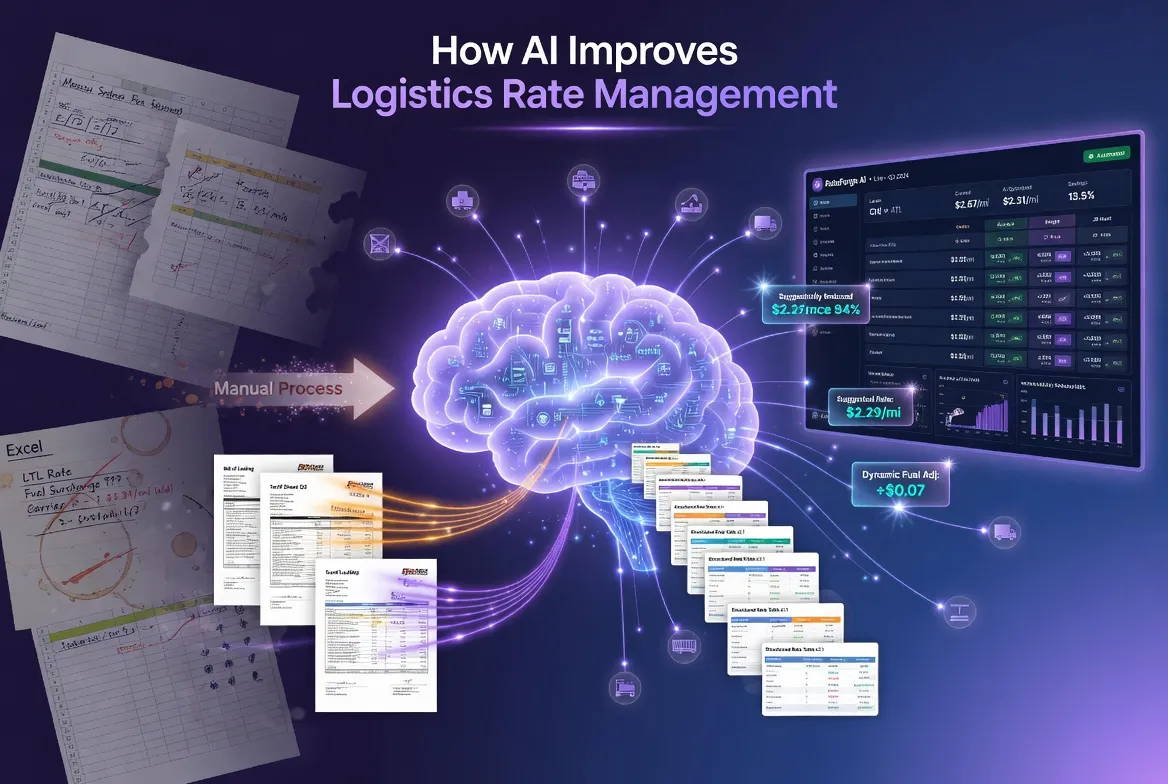
Disconnected Systems vs Integrated Logistics Platforms
Introduction
Disconnected systems and integrated logistics platforms represent two fundamentally different approaches to managing logistics operations. Disconnected systems operate in silos with limited data sharing, while integrated logistics platforms unify all operations, data, and workflows into a single connected environment. The difference directly impacts efficiency, visibility, accuracy, and scalability.
For freight forwarders, 3PLs, and cross-border logistics companies, choosing between these approaches can determine whether operations remain reactive and fragmented—or become streamlined, automated, and scalable.
What Are Disconnected Systems vs Integrated Logistics Platforms
Disconnected Systems
Disconnected systems refer to multiple standalone tools used for different logistics functions, such as:
Spreadsheets for order tracking
Separate systems for warehouse and transportation
Email-based communication for coordination
Independent financial and accounting tools
These systems do not communicate effectively with each other, requiring manual data transfer and coordination.
Integrated Logistics Platforms
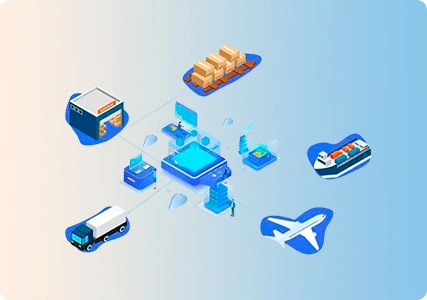
Integrated logistics platforms are unified systems that connect all logistics functions into one environment.
They combine:
Order and shipment management
Tracking and visibility
Document management
Financial processes
External system integrations
All data and workflows are centralized, enabling seamless communication across departments and partners.
Why the Difference Matters
1. Operational Efficiency
Disconnected systems require manual data entry and coordination, while integrated platforms automate workflows and reduce repetitive tasks.
2. Data Consistency
Siloed systems often lead to inconsistent data. Integrated platforms provide a single source of truth.
3. Visibility
Disconnected systems offer limited visibility. Integrated platforms provide end-to-end tracking with a unified shipment timeline.
4. Collaboration
Teams working in disconnected systems face communication gaps. Integrated platforms enable real-time collaboration across roles and partners.
5. Scalability
Disconnected systems struggle to handle growth. Integrated platforms support scalable operations with increasing complexity.
How Disconnected and Integrated Systems Work
Disconnected Systems Workflow
Orders are entered manually into multiple systems
Teams communicate via email or messaging tools
Shipment updates are manually tracked and shared
Financial data is reconciled separately
Data inconsistencies require manual correction
This process is time-consuming and prone to errors.
Integrated Logistics Platforms Workflow
Orders are created or imported into a centralized system
Shipment workflows are automatically triggered
Real-time tracking updates are synchronized across the platform
Teams collaborate within the same system
Financial processes such as billing and reconciliation are automated
This workflow is streamlined, efficient, and scalable.
Key Features of Integrated Logistics Platforms
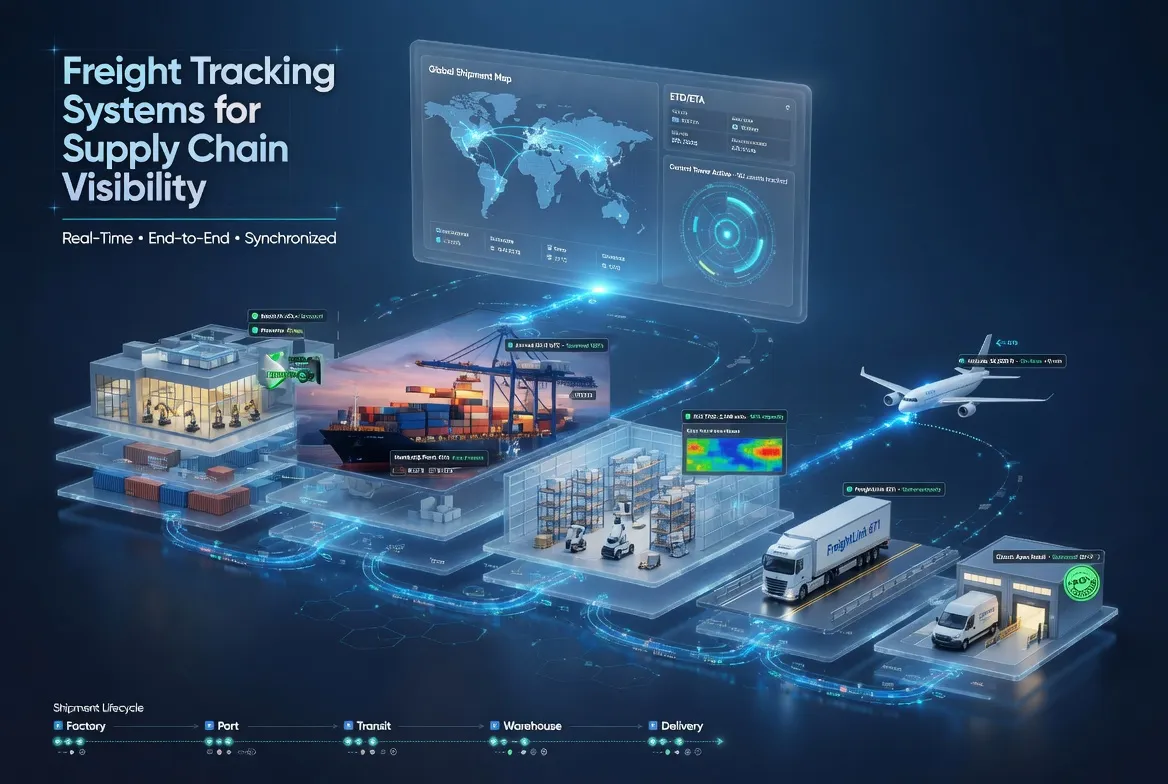
End-to-end visibility
Unified milestone-based tracking across all transport modesMulti-role collaboration
Sales, operations, documentation, and finance teams work within the same systemCentralized data management
A single platform for all operational and financial dataReal-time data synchronization
Instant updates across all systems and usersWorkflow automation
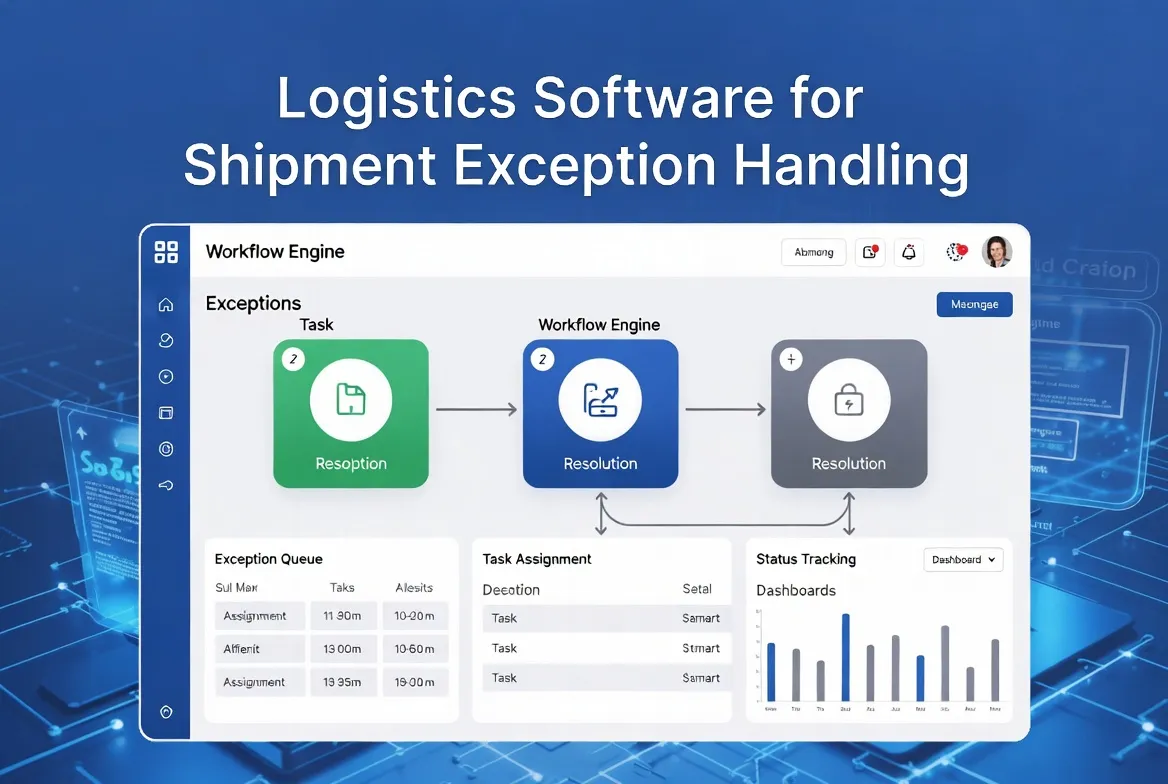
Automated task assignment, alerts, and exception handlingAI-driven capabilities
Data recognition, automation, and intelligent processingExternal system integration
Connectivity with ERP systems, carriers, and e-commerce platforms
Benefits for Logistics Companies
1. Increased Efficiency
Integrated platforms reduce manual work and streamline operations.
2. Reduced Errors
Centralized data and automation minimize inconsistencies and manual mistakes.
3. Improved Customer Experience
Customers receive accurate, real-time updates and better service.
4. Better Financial Control
Integrated systems align operational data with financial processes, enabling accurate billing and profit analysis.
5. Enhanced Collaboration
Teams and partners can coordinate seamlessly within a shared system.
Best Practices / Use Cases
1. Transitioning from Spreadsheets to Platforms
Replace manual tracking and spreadsheets with integrated systems to improve efficiency and accuracy.
2. Centralizing Multi-System Operations
Consolidate multiple systems into a unified platform to eliminate data silos.
3. Enabling Real-Time Tracking
Implement integrated tracking systems to provide end-to-end visibility.
4. Automating Financial Processes
Use integrated platforms to automate invoicing, reconciliation, and cost tracking.
5. Supporting Global Logistics Operations
Use integrated systems to manage multi-region, multi-partner logistics networks.
Conclusion
The difference between disconnected systems and integrated logistics platforms is significant. While disconnected systems lead to inefficiencies, errors, and limited visibility, integrated platforms provide a unified, automated, and scalable approach to logistics management.
As logistics operations become more complex and data-driven, adopting integrated platforms is essential for improving efficiency, enhancing collaboration, and maintaining competitiveness in the global market.
Frequently Asked Questions
What are disconnected systems in logistics?
They are separate tools or systems that operate independently without seamless data sharing or integration.
What is an integrated logistics platform?
It is a unified system that connects all logistics functions, enabling seamless data flow and collaboration.
Why are integrated platforms better than disconnected systems?
They improve efficiency, reduce errors, enhance visibility, and support scalable operations.
What are the benefits of integrated logistics platforms?
Better collaboration, real-time visibility, automated workflows, and improved financial control.
How can companies transition to integrated platforms?
By adopting systems with API integration, centralized data management, and automation capabilities.
About WallTech
WallTech provides digital logistics solutions that help companies transition from disconnected systems to fully integrated logistics platforms. Its systems enable end-to-end collaboration across sales, operations, documentation, and finance, allowing all stakeholders to work within a unified environment. With real-time shipment visibility based on milestone tracking, businesses gain full transparency across global operations. The platform also incorporates automation capabilities such as AI-driven data recognition, workflow automation, and automated billing and reconciliation, helping logistics companies improve efficiency, reduce errors, and scale their operations effectively.
If you're exploring ways to improve your logistics operations, feel free to connect with us to learn more about our solutions and system capabilities.