

Apr 29,2026
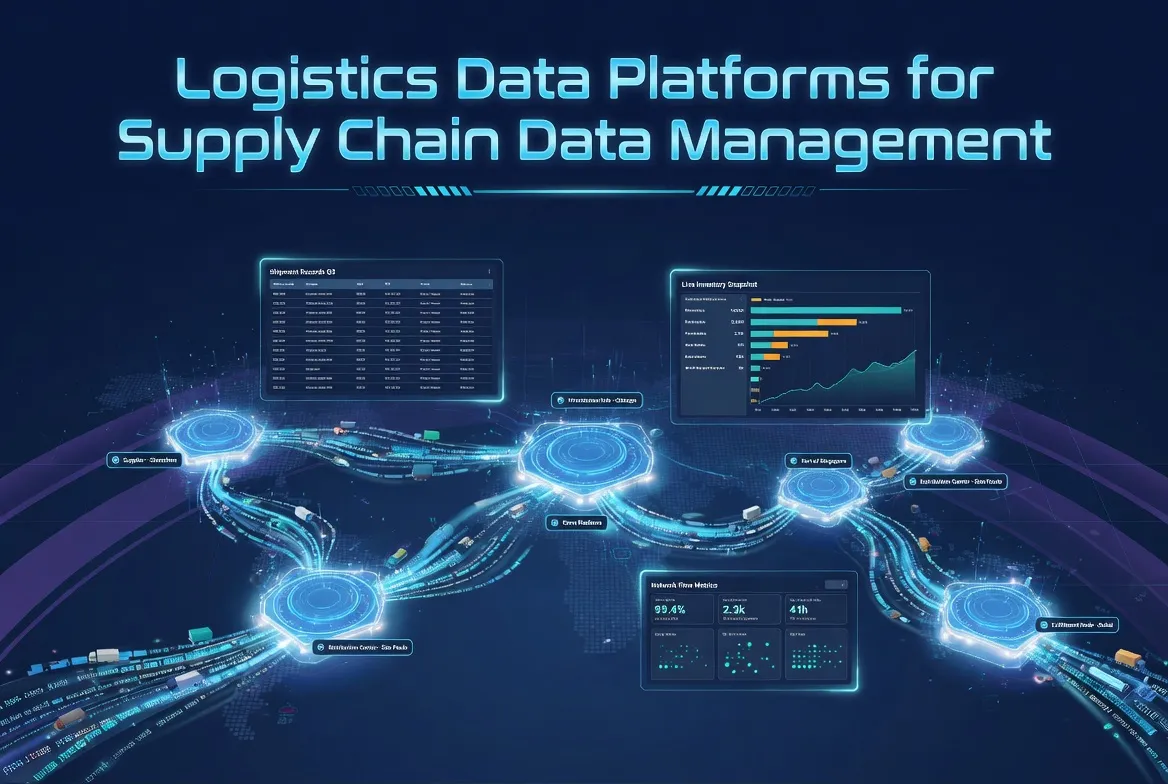
Logistics Data Platforms for Supply Chain Data Management
Introduction
Exception handling in logistics platforms works by automatically detecting, flagging, and managing deviations from planned shipment workflows—such as delays, missing milestones, or documentation issues—through predefined rules, real-time data monitoring, and automated alerts. This allows logistics teams to respond proactively to disruptions instead of reacting after problems escalate.
In complex global logistics operations, effective exception handling is essential for maintaining service reliability, minimizing risks, and ensuring smooth coordination across multiple stakeholders.
What is Exception Handling in Logistics
Exception handling in logistics refers to the process of identifying and resolving unexpected events that disrupt normal shipment execution.
Common logistics exceptions include:
Shipment delays or missed departures
Customs clearance issues
Missing or incorrect documentation
Cargo damage or loss
Carrier schedule changes
Last-mile delivery failures
Traditionally, these issues are discovered manually—often too late—through emails, phone calls, or customer complaints.
Modern logistics platforms automate exception handling by continuously monitoring shipment data and triggering actions when predefined conditions are not met.
Why Exception Handling Matters
In freight forwarding and global logistics, exceptions are inevitable. However, the ability to detect and manage them efficiently determines operational performance.
1. Reducing Operational Risks
Unmanaged exceptions can lead to:
Shipment delays
Financial losses
Compliance issues
Automation ensures early detection and faster response.
2. Improving Customer Experience
Customers expect:
Accurate delivery timelines
Proactive communication
Exception handling enables real-time notifications and transparency.
3. Enhancing Visibility
Without structured exception handling:
Issues remain hidden until escalation
Teams lack a clear overview of risks
With automated systems:
Exceptions are visible across the entire shipment lifecycle
Teams can prioritize critical issues
4. Increasing Operational Efficiency
Manual exception management consumes time and resources. Automation reduces the need for constant monitoring and follow-ups.
How Exception Handling Works
Logistics platforms use a combination of workflow rules, real-time data integration, and automation engines to manage exceptions effectively.
1. Defining Exception Rules
The process starts with configuring rules based on business logic, such as:
Expected milestone timelines (e.g., vessel departure within a set window)
Required documents before shipment stages
Status updates from carriers
If conditions are not met, the system identifies an exception.
2. Real-Time Data Monitoring
Logistics platforms continuously collect data from:
Carrier systems
GPS and tracking providers
Internal operational updates
This data feeds into a unified shipment timeline, enabling real-time monitoring of progress.
3. Automatic Exception Detection
When deviations occur, the system automatically flags them, for example:
A shipment misses a scheduled milestone
No update is received within a defined time frame
A document is incomplete or missing
These exceptions are categorized and prioritized.
4. Alerts and Notifications
Once an exception is detected:
Notifications are sent to relevant stakeholders
Alerts can be delivered via system dashboards, email, or messaging tools
Customers can also receive updates through self-service portals
This ensures that issues are addressed quickly.
5. Workflow Triggering and Task Assignment
Automation goes beyond alerts:
Tasks are automatically assigned to responsible teams
Workflows are triggered for resolution (e.g., rebooking, document correction)
Escalation rules ensure critical issues receive attention
This structured approach reduces manual coordination.
6. Resolution and Tracking
The system tracks:
Actions taken to resolve the issue
Status updates after resolution
Historical data for analysis
This creates a feedback loop for continuous improvement.
Key Features / Key Capabilities
Modern logistics platforms offer advanced exception handling capabilities, including:
Milestone-based exception detection
Automatically identifies delays or missing events in shipment timelinesReal-time visibility dashboards
Centralized view of all active exceptions across shipmentsAutomated alerts and notifications
Immediate communication to relevant teams and customersWorkflow automation for issue resolution
Predefined actions triggered based on exception typeMulti-role collaboration
Coordination between operations, documentation, customer service, and partnersAI-powered data recognition
Identifies inconsistencies in documents or shipment dataHistorical analytics and reporting
Tracks exception trends and root causes
These features transform exception handling into a proactive and data-driven process.
Benefits for Logistics Companies
Proactive Risk Management
Detect issues before they escalate
Reduce disruptions in shipment execution
Improved Service Reliability
Maintain consistent delivery performance
Build customer trust through transparency
Faster Issue Resolution
Automate task assignment and workflows
Reduce response time
Enhanced Visibility
Provide a unified view of shipment status and risks
Enable better decision-making
Better Collaboration
Align internal teams and external partners
Ensure everyone works with the same information
Continuous Improvement
Analyze exception data to identify recurring issues
Optimize processes over time
Best Practices / Use Cases
Milestone Monitoring
Set clear expectations for shipment stages:
Departure
Arrival
Customs clearance
Trigger alerts when milestones are missed.
Cross-Border Shipment Management
Monitor:
Customs documentation
Clearance timelines
Detect delays early to avoid penalties.
Customer Communication Automation
Automatically notify customers when:
Delays occur
Shipment status changes
This improves customer satisfaction.
High-Volume eCommerce Logistics
In cross-border eCommerce:
Thousands of parcels require monitoring
Automated exception handling ensures scalability
Partner Collaboration
Enable coordination with:
Carriers
Agents
Warehouses
All parties can respond quickly to exceptions within the same platform.
Conclusion
Exception handling is a critical component of modern logistics platforms. By automating the detection, notification, and resolution of issues, logistics companies can move from reactive problem-solving to proactive management.
This not only improves operational efficiency but also enhances customer experience and strengthens overall supply chain reliability.
Frequently Asked Questions
What is exception handling in logistics?
Exception handling in logistics refers to identifying and managing disruptions or deviations in shipment processes, such as delays or missing documents.
How do logistics platforms detect exceptions?
They use predefined rules and real-time data monitoring to identify when shipment conditions deviate from expected workflows.
Why is exception handling important?
It helps reduce risks, improve visibility, and ensure timely resolution of issues, leading to better service performance.
What types of exceptions can be automated?
Common exceptions include shipment delays, missing milestones, documentation errors, and customs issues.
Can exception handling improve customer experience?
Yes, it enables proactive communication and faster issue resolution, which enhances transparency and trust.
About WallTech
WallTech provides digital logistics solutions that help logistics companies manage operations more efficiently through automation and real-time visibility. Its platforms support end-to-end collaboration across multiple roles and partners, enabling seamless coordination throughout the shipment lifecycle. With capabilities such as milestone-based tracking, automated workflow management, AI-driven data recognition, and automated billing and reconciliation, WallTech helps freight forwarders and logistics providers proactively manage exceptions and scale their global operations effectively.
If you're exploring ways to improve your logistics operations, feel free to connect with us to learn more about our solutions and system capabilities.

.webp "What Is a Logistics Operations Management Platform?")