

Mar 30,2026
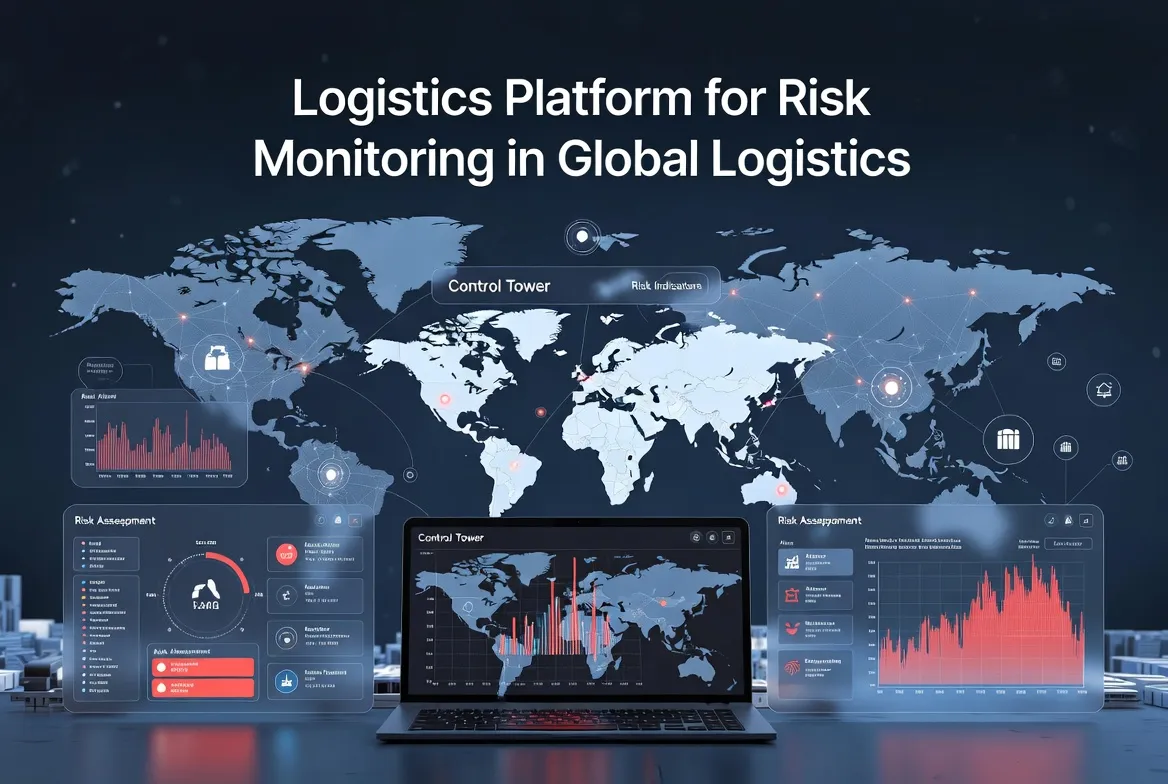
Logistics Platform for Risk Monitoring in Global Logistics
How Unified Data Improves Logistics Efficiency
Introduction
Unified data improves logistics efficiency by consolidating information from multiple systems, departments, and partners into a single, consistent source of truth. This enables real-time visibility, reduces manual processes, and allows logistics companies to operate with greater accuracy, speed, and coordination.
In modern logistics operations—especially for freight forwarders, 3PLs, and cross-border eCommerce providers—unified data is essential for managing complex, multi-step supply chains where fragmented information can lead to delays, errors, and inefficiencies.
What Is Unified Data in Logistics
Unified data in logistics refers to the consolidation and standardization of data from various systems into a centralized platform where all stakeholders can access consistent, up-to-date information.
This includes:
Shipment and tracking data
Order and booking information
Inventory and warehouse data
Financial data (costs, invoices, payments)
Documents and compliance records
Instead of data being scattered across spreadsheets, emails, and disconnected systems, unified data ensures that all information is aligned and accessible within a single system.
Why Unified Data Matters
1. Eliminates Data Silos
When data is stored in separate systems, teams operate with incomplete or outdated information. Unified data ensures consistency across all departments.
2. Improves Decision-Making
With accurate, real-time data, logistics managers can make faster and more informed decisions.
3. Enhances Visibility
Unified data enables end-to-end tracking with a complete view of shipment milestones across all transport modes.
4. Reduces Manual Work
Data consolidation reduces the need for manual data entry and reconciliation between systems.
5. Supports Collaboration
Teams and partners can work together more effectively when they share the same data.
How Unified Data Works in Logistics Systems
1. Data Integration
Unified data begins with integrating multiple systems, including:
ERP systems
Warehouse systems
Transportation and freight systems
Carrier and tracking platforms
E-commerce platforms
APIs and integration tools enable data to flow into a centralized platform.
2. Data Standardization
Data from different sources is standardized into a consistent format, ensuring compatibility and usability.
3. Real-Time Synchronization
Updates from any system are automatically reflected across the platform, ensuring all users access the latest information.
4. Centralized Data Management
All data is stored in a unified database, providing a single source of truth for operations.
5. Automation and AI Processing
Modern logistics platforms enhance unified data with:
AI data recognition (e.g., extracting shipment details from documents)
Automated updates of shipment milestones
Automated billing and reconciliation
These capabilities ensure data is both accurate and actionable.
Key Features of Unified Data in Logistics Systems
Single source of truth
Centralized data accessible across all systems and usersReal-time data updates
Instant synchronization of shipment, order, and financial dataEnd-to-end visibility
Unified timeline of shipment milestonesMulti-role collaboration
Shared data environment for sales, operations, documentation, and financeAutomated workflows
Processes triggered by real-time data updatesIntegrated financial data
Alignment between operational and financial informationScalable data architecture
Ability to handle growing volumes and complexity
Benefits for Logistics Companies
1. Faster Operations
Unified data reduces delays caused by manual data transfers and system switching.
2. Improved Accuracy
Consistent data across systems minimizes errors in shipment handling and billing.
3. Enhanced Customer Experience
Customers benefit from real-time tracking and accurate information.
4. Better Financial Control
Unified data enables precise cost tracking, invoicing, and profit analysis.
5. Stronger Collaboration
Teams and partners can coordinate more effectively using shared data.
Best Practices / Use Cases
1. Centralizing Shipment Data
Aggregate tracking data from multiple carriers into a single platform for unified visibility.
2. Aligning Operations and Finance
Ensure that operational data automatically feeds into financial systems for accurate billing and reconciliation.
3. Enabling Customer Self-Service
Provide customers with access to unified data through tracking portals.
4. Automating Workflow Processes
Use unified data to trigger automated workflows and alerts.
5. Supporting Cross-Border Operations
Unify data across multiple regions, systems, and partners to manage complex global logistics networks.
Conclusion
Unified data is a key driver of efficiency in modern logistics operations. By consolidating information into a single, consistent source, logistics companies can improve visibility, reduce errors, and streamline workflows.
As supply chains become more complex and data-driven, the ability to unify and leverage data effectively will be critical for achieving operational excellence and scalability.
Frequently Asked Questions
What is unified data in logistics?
Unified data refers to the consolidation of data from multiple systems into a single, consistent source of truth.
Why is unified data important in logistics?
It improves visibility, reduces errors, and enables efficient collaboration and decision-making.
How does unified data improve logistics efficiency?
It eliminates manual processes, ensures data consistency, and enables real-time operations.
What are the benefits of unified data?
Faster operations, improved accuracy, better customer experience, and enhanced financial control.
How is unified data achieved in logistics systems?
Through system integration, data standardization, real-time synchronization, and automation technologies.
About WallTech
WallTech provides digital logistics solutions that help companies unify data across complex supply chain environments. Its platforms enable end-to-end collaboration by connecting multiple roles and systems within a single workflow. With real-time shipment visibility based on milestone tracking, logistics companies gain a complete and accurate view of their operations. The system also incorporates automation capabilities such as AI-driven data recognition, workflow automation, and automated billing and reconciliation, helping businesses improve efficiency, reduce manual effort, and scale with confidence.
If you're exploring ways to improve your logistics operations, feel free to connect with us to learn more about our solutions and system capabilities.