


May 06,2026
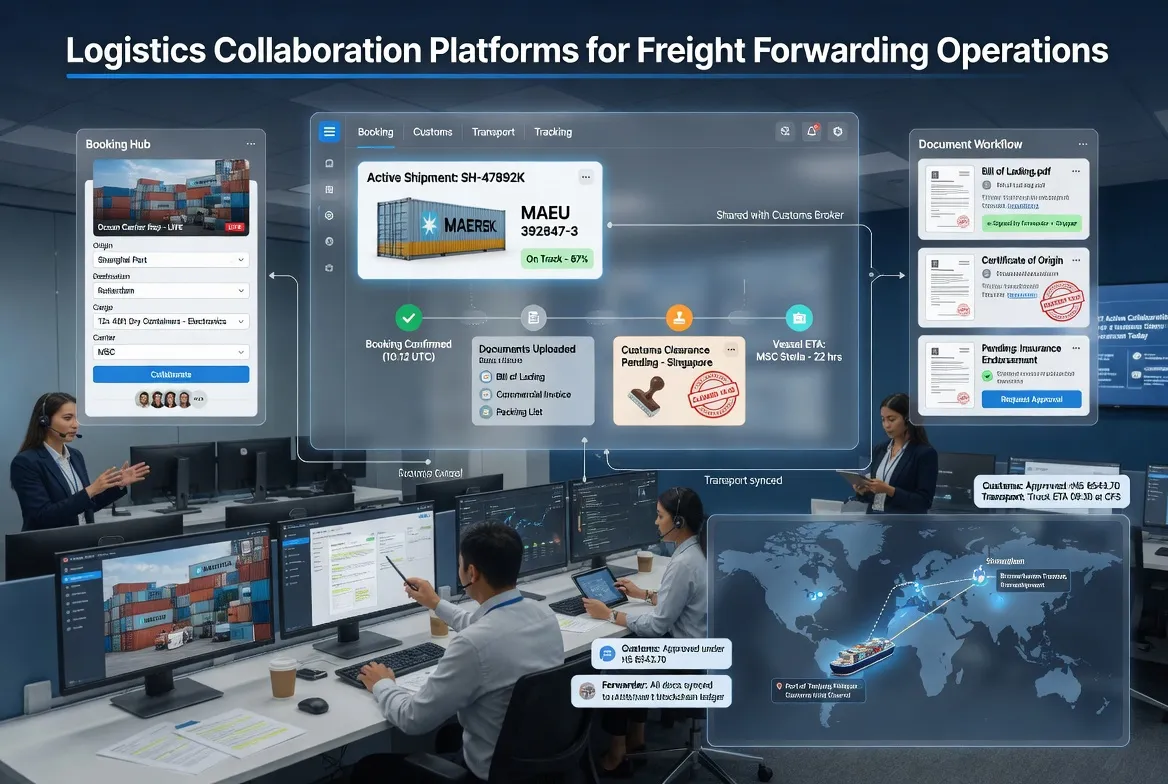
Logistics Collaboration Platforms for Freight Forwarding Operations
Introduction
AI enhances logistics financial analysis by automating data processing, identifying patterns in cost and revenue data, and providing predictive insights for better decision-making. By integrating AI into logistics platforms, companies can analyze financial performance in real time, detect anomalies, and optimize profitability across complex global operations.
In an industry where financial data is highly fragmented and dynamic, AI-driven analysis enables logistics companies to move from reactive reporting to proactive financial management.
What is AI-Driven Financial Analysis in Logistics
AI-driven financial analysis in logistics refers to the use of artificial intelligence technologies to process, analyze, and interpret financial data generated from logistics operations.
This includes:
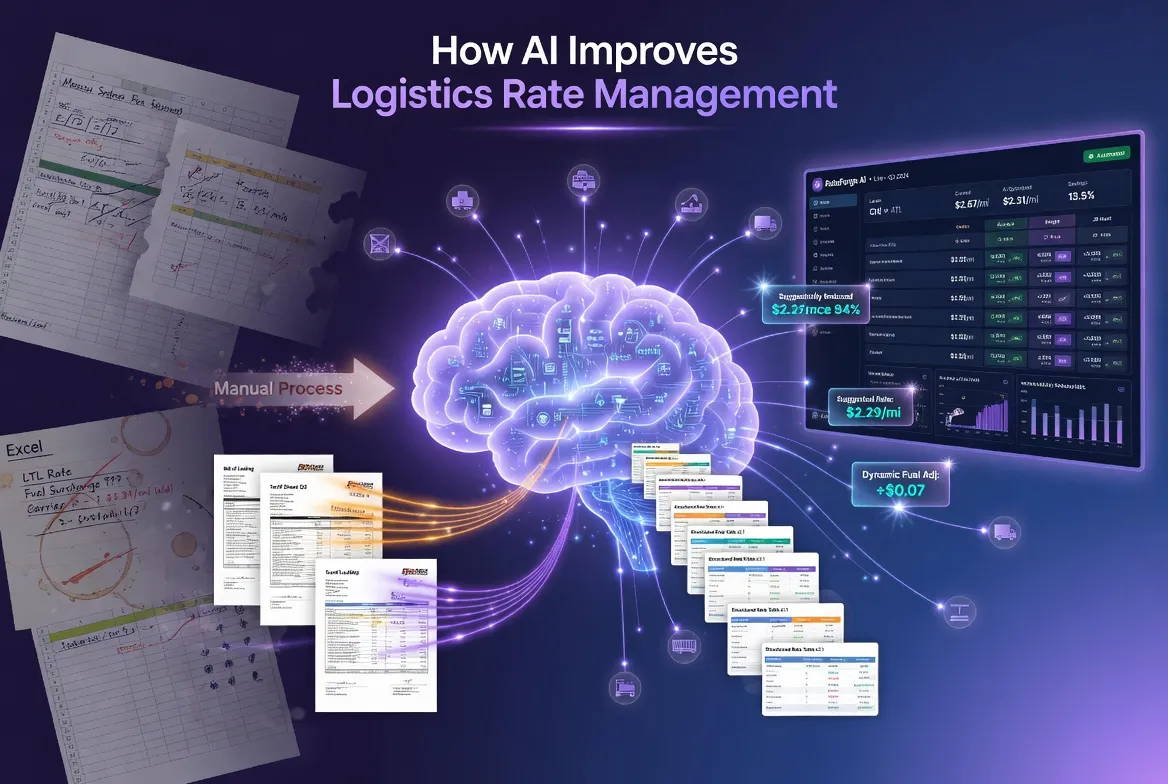
Automated data extraction from documents
Intelligent cost and revenue analysis
Predictive forecasting of financial performance
Detection of anomalies and inefficiencies
Unlike traditional financial analysis, which relies on historical data and manual reporting, AI enables real-time, data-driven insights that support operational and financial decisions.
Why AI Enhances Financial Analysis
1. Large Volumes of Data
Logistics operations generate vast amounts of data, including:
Shipment records
Cost and pricing data
Billing and invoicing information
Manual analysis cannot efficiently process this volume of data.
2. Complex Financial Structures
Logistics involves:
Multiple cost components
Dynamic pricing models
Multi-currency transactions
AI can analyze these complexities more effectively than traditional methods.
3. Need for Real-Time Insights
Companies require:
Immediate visibility into financial performance
Quick identification of cost deviations
Fast response to market changes
AI enables real-time financial analysis.
4. Risk of Errors and Fraud
Manual processes increase the risk of:
Billing errors
Missing charges
Fraudulent activities
AI can detect anomalies and flag inconsistencies.
5. Competitive Pressure
Logistics companies must optimize costs and improve margins to remain competitive.
AI provides insights that support smarter decision-making.
How AI Enhances Logistics Financial Analysis
1. Automated Data Extraction (OCR + AI)
AI-powered OCR extracts data from:
Invoices
Shipping documents
Rate sheets
This eliminates manual data entry and ensures data accuracy.
2. Real-Time Data Processing
AI systems process financial data as it is generated.
This enables:
Immediate cost and revenue updates
Continuous profit tracking
Real-time financial dashboards
3. Pattern Recognition and Insights
AI analyzes historical and real-time data to identify patterns, such as:
Cost trends across routes
Customer profitability
Seasonal variations
These insights help optimize operations.
4. Predictive Financial Analysis
AI can forecast:
Future costs and revenues
Profit margins
Demand trends
This supports proactive planning and decision-making.
5. Anomaly Detection
AI identifies unusual patterns, such as:
Unexpected cost increases
Billing discrepancies
Missing charges
This improves financial accuracy and risk management.
6. Intelligent Decision Support
AI provides recommendations, such as:
Optimal pricing strategies
Cost-saving opportunities
Efficient carrier selection
This enhances operational efficiency.
7. Workflow Automation
AI automates financial workflows, including:
Billing approvals
Reconciliation processes
Exception handling
This reduces manual effort and speeds up processes.
Key Features of AI-Driven Financial Analysis Systems
Real-Time Financial Visibility
Continuous tracking of costs, revenues, and profits
Financial data aligned with shipment milestones
Unified operational and financial timeline
End-to-End Visibility
Integration across all shipment stages
Complete view of financial and operational data
Multi-Role Collaboration
Shared insights across finance, operations, and management teams
Improved coordination and decision-making
Automation and AI Capabilities
OCR for document processing
Predictive analytics
Intelligent anomaly detection
Advanced Reporting and Dashboards
Interactive financial dashboards
Customizable reports
Data visualization for insights
Integration Across Systems
Connectivity with ERP, accounting, and logistics platforms
API-based data exchange
Multi-Currency Support
Handling global financial operations
Exchange rate management
Benefits for Logistics Companies
Improved Financial Accuracy
AI reduces errors and ensures consistent data processing.
Faster Decision Making
Real-time insights enable quick and informed decisions.
Cost Optimization
AI identifies opportunities to reduce costs and improve efficiency.
Enhanced Profitability
Better analysis leads to improved margin control.
Increased Operational Efficiency
Automation reduces manual workload and speeds up processes.
Best Practices and Use Cases
Start with Data Integration
Ensure all financial and operational data is connected within a unified system.
Use AI for High-Volume Processes
Apply AI to automate data extraction and analysis for large datasets.
Monitor Financial Performance Continuously
Use real-time dashboards to track costs, revenues, and profits.
Combine AI with Human Expertise
Use AI insights to support, not replace, human decision-making.
Use Case: Freight Forwarders
Freight forwarders can use AI to analyze cost trends and optimize pricing strategies.
Use Case: Cross-Border eCommerce Logistics
AI helps manage high-volume financial data and improve billing accuracy.
Use Case: 3PL Providers
3PL companies can leverage AI to optimize costs and improve financial performance across multiple clients.
Conclusion
AI is transforming logistics financial analysis by enabling real-time insights, improving accuracy, and supporting smarter decision-making. By integrating AI into logistics platforms, companies can move beyond traditional reporting and achieve proactive financial management. As logistics operations continue to grow in complexity, AI-driven financial analysis will become a key capability for maintaining competitiveness and driving sustainable growth.
Frequently Asked Questions
What is AI-driven financial analysis in logistics?
It is the use of artificial intelligence to analyze financial data, automate processes, and provide insights for better decision-making.
How does AI improve financial analysis?
AI processes large volumes of data, identifies patterns, detects anomalies, and provides predictive insights.
Why is AI important in logistics finance?
It improves accuracy, efficiency, and visibility in managing complex financial operations.
What are the benefits of AI in logistics financial systems?
Benefits include better decision-making, cost optimization, and improved profitability.
Who uses AI-driven financial analysis in logistics?
Freight forwarders, 3PL providers, and cross-border logistics companies use these systems.
About WallTech
WallTech provides digital logistics solutions that incorporate AI-driven financial analysis into end-to-end operational workflows. Its platforms enable real-time shipment visibility through milestone-based tracking, support multi-role collaboration across global logistics networks, and automate financial processes such as cost calculation, billing, and reconciliation. By combining AI capabilities with integrated logistics data, WallTech helps companies improve financial accuracy, gain deeper insights, and scale their operations with greater efficiency and control.
If you're exploring ways to improve your logistics operations, feel free to connect with us to learn more about our solutions and system capabilities.