May 08,2026
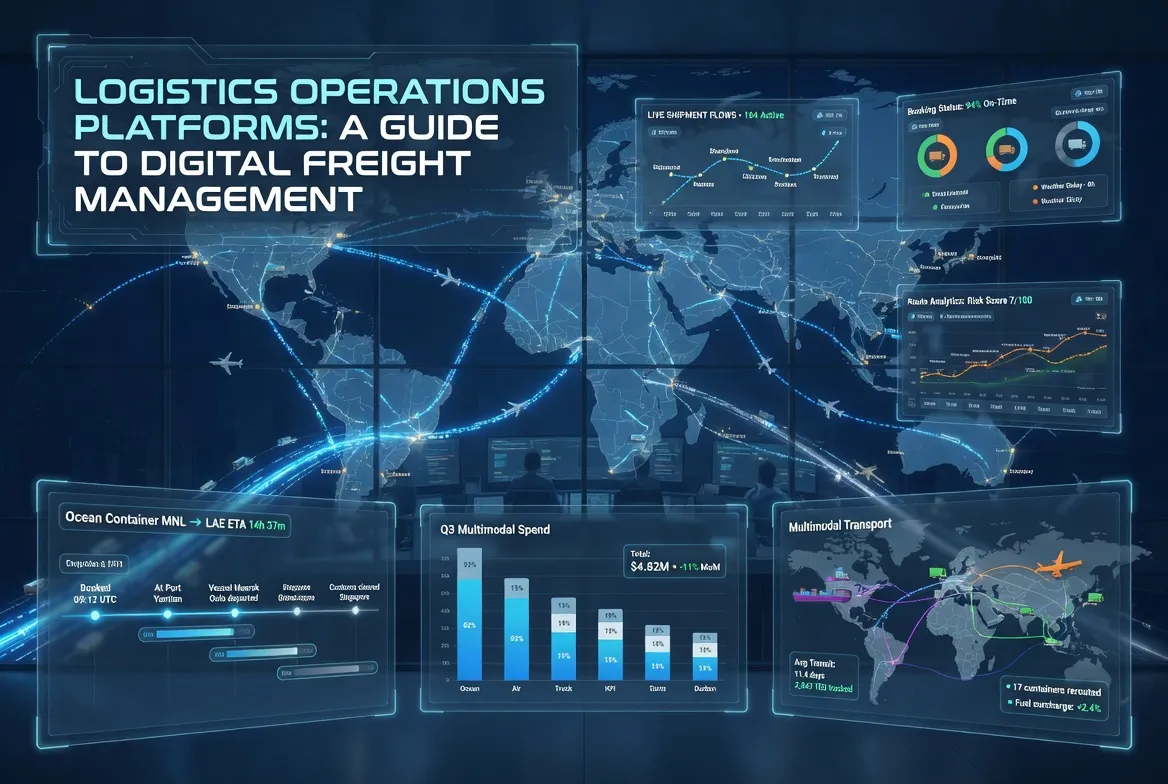
Logistics Operations Platforms: A Guide to Digital Freight Management
A freight operations system is a digital platform used by logistics providers to manage the day-to-day execution of freight shipments. It coordinates operational activities such as order processing, booking, shipment tracking, document handling, and cost recording within a structured workflow.
Why Freight Operations Need Dedicated Systems
Freight forwarding and logistics operations involve numerous daily tasks, including coordinating shipments, managing carrier bookings, monitoring transport progress, and maintaining communication between multiple stakeholders.
When these activities are handled manually through spreadsheets, emails, or disconnected tools, companies often experience:
Repeated data entry
Operational errors
Limited shipment visibility
Delayed status updates
Difficult coordination across teams
A freight operations system organizes these activities into a centralized platform.
Core Functions of a Freight Operations System
Shipment Order Processing
Create and manage shipment orders with essential details such as origin, destination, cargo information, transport mode, and service requirements.
Booking Coordination
Record and manage booking information with carriers, including vessel or flight schedules, transport segments, and expected transit times.
Operational Workflow Management
Track the operational steps involved in shipment execution, including documentation preparation, cargo handling coordination, and status updates.
Transport Monitoring
Monitor the progress of shipments throughout the transport lifecycle. Operational teams can review shipment status, milestone updates, and delivery progress in real time.
Documentation Handling
Manage operational documents associated with freight shipments, such as transport instructions, manifests, invoices, and shipping records.
Cost Recording
Capture operational costs during shipment execution, including freight charges, handling fees, and other logistics-related expenses.
How a Freight Operations System Supports Logistics Teams
A freight operations system helps logistics teams manage complex workflows by organizing tasks and information in a structured environment. Operations staff can coordinate activities, track shipment progress, and maintain consistent operational records.
The system also helps ensure that operational data remains consistent across departments such as sales, operations, and finance.
Who Uses a Freight Operations System?
Freight operations systems are commonly used by:
Freight forwarding companies
Logistics service providers
Multimodal transport operators
3PL companies managing international shipments
Supply chain organizations coordinating global freight movements
Organizations handling frequent shipment activities benefit from structured operational control.
Business Benefits
Using a freight operations system can help companies:
Improve operational efficiency
Reduce manual coordination work
Maintain accurate shipment records
Improve communication across teams
Increase operational transparency
It enables logistics companies to manage growing shipment volumes without increasing operational complexity.
Conclusion
A freight operations system is a digital platform that organizes and manages the daily execution of freight shipments. By centralizing operational workflows, shipment records, and coordination activities, it helps logistics providers improve efficiency and maintain structured control over freight operations.
.webp "How Digital Systems Improve Freight Partner Collaboration")