Mar 09,2026
Weekly Logistics Industry Update - Week 9 of 2026
Real-time shipment monitoring allows logistics companies to track cargo movements and operational milestones as they occur. By providing continuous visibility into shipment status, real-time monitoring helps logistics teams manage transportation operations more effectively and respond quickly to potential disruptions.
Establishing Centralized Monitoring Systems
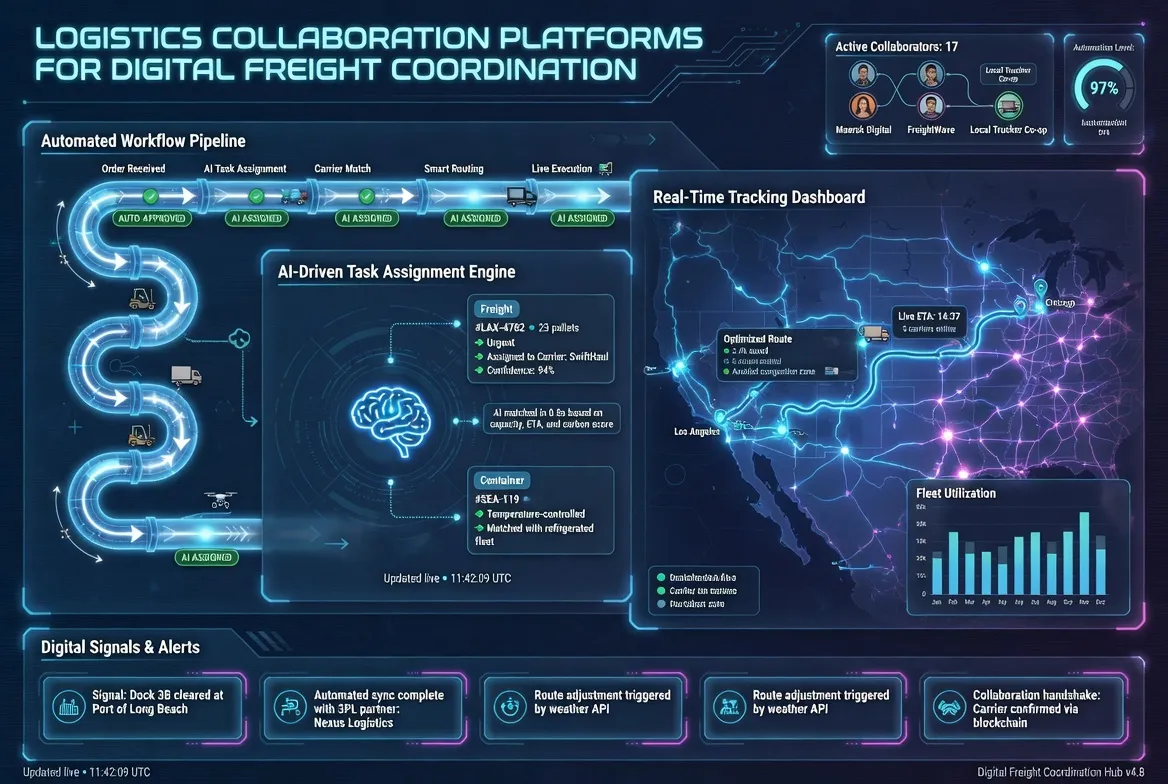
One of the most important practices in real-time shipment monitoring is centralizing shipment tracking within a unified platform. When shipment information is collected and displayed in a single system, logistics teams can monitor cargo movements without switching between multiple carrier portals or tracking tools.
A centralized monitoring platform consolidates shipment events from different transportation partners and systems. This creates a consistent operational view and ensures that all teams work with the same shipment information.
Centralized monitoring also reduces manual tracking tasks and improves operational efficiency.
Integrating Multiple Data Sources
Effective shipment monitoring depends on integrating tracking data from multiple sources. Shipments often pass through several carriers, warehouses, and transportation segments during their journey.
Real-time monitoring systems should capture events from ocean carriers, airlines, trucking providers, warehouse systems, and other logistics partners. Integrating these sources creates a complete shipment timeline and improves the accuracy of tracking information.
Multi-source data integration is essential for monitoring complex international shipments.
Using Event-Based Alerts
Another important best practice is configuring event-based alerts. Real-time monitoring systems can automatically notify logistics teams when important shipment milestones occur or when disruptions are detected.
For example, alerts can be triggered when a shipment departs from a port, arrives at a warehouse, or experiences a delay beyond a predefined threshold.
These alerts allow logistics teams to react quickly to operational changes and reduce the impact of transportation disruptions.
Monitoring Operational Performance
Real-time monitoring platforms also generate valuable operational data. Logistics companies can analyze shipment timelines and tracking events to evaluate transportation performance.
Performance monitoring helps identify recurring delays, bottlenecks in transportation routes, or inefficiencies in operational processes.
By analyzing these patterns, logistics teams can improve transportation planning and optimize logistics workflows.
Supporting Proactive Decision-Making
The ultimate goal of real-time shipment monitoring is to enable proactive operational management. When logistics teams have immediate access to shipment status and transportation events, they can anticipate potential issues and take action before disruptions escalate.
For example, if a shipment delay is detected early, companies may adjust delivery schedules, inform customers, or coordinate alternative transportation options.
Proactive decision-making helps improve service reliability and strengthens logistics operations.
Conclusion
Real-time shipment monitoring is an essential capability for modern logistics operations. By centralizing tracking data, integrating multiple information sources, and using event-based alerts, logistics companies can maintain better control over cargo movements and respond quickly to operational disruptions.
If you want to learn more about real-time shipment monitoring solutions, feel free to contact WallTech. Since 2011, we have been dedicated to helping international logistics companies simplify operational management processes and improve efficiency through software solutions.