A logistics workflow automation system is a digital platform that automates operational tasks and business processes within logistics operations. It organizes shipment-related activities into structured workflows and automatically triggers actions, notifications, or system updates based on predefined rules.
Why Workflow Automation Is Important in Logistics
Logistics operations involve numerous repetitive tasks such as order processing, document preparation, shipment updates, billing coordination, and communication between different departments.
When these tasks are handled manually, companies often face:
Repetitive administrative work
Increased risk of human error
Delayed operational responses
Inconsistent process execution
Limited operational scalability
A logistics workflow automation system reduces these challenges by standardizing and automating routine processes.
Core Functions of a Logistics Workflow Automation System
Automated Process Triggers
The system automatically initiates workflow steps when specific events occur. For example, when a shipment order is created, the system may trigger booking confirmation, documentation preparation, and operational notifications.
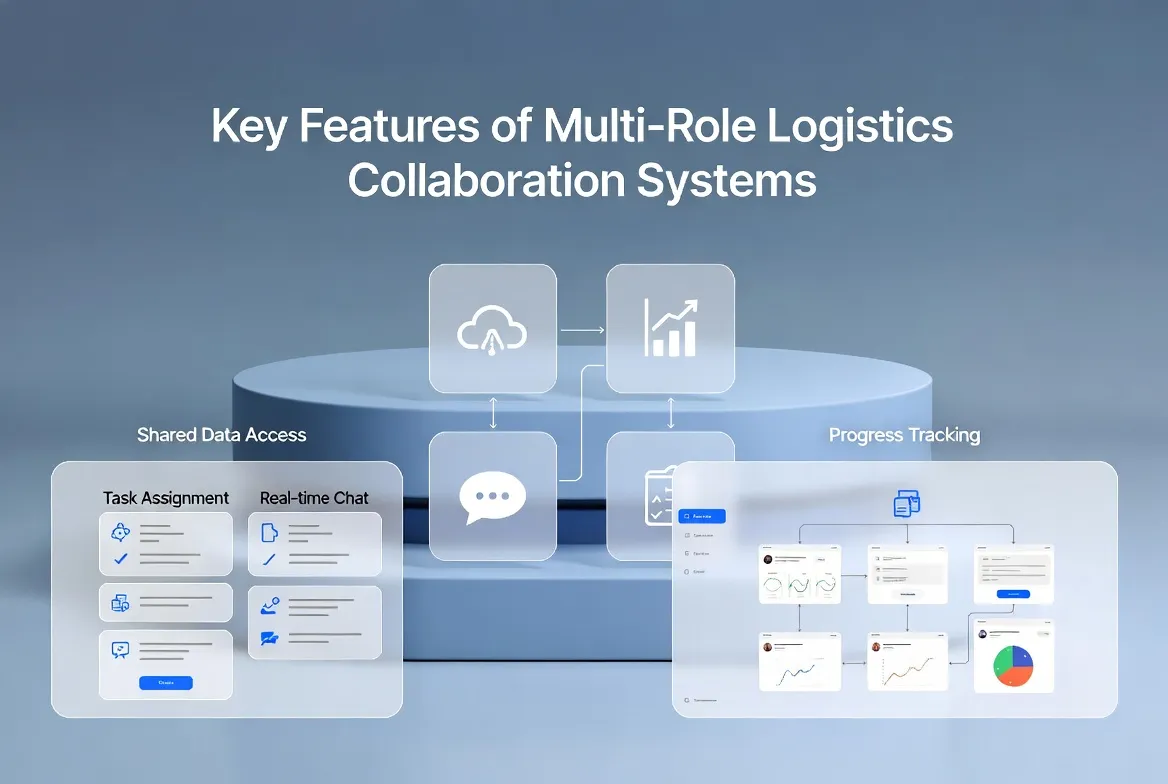
Task Assignment and Coordination
Operational tasks can be automatically assigned to specific teams or roles, such as operations staff, documentation specialists, or finance departments. This ensures that responsibilities are clearly defined.
Status Updates and Process Tracking
Each stage of a logistics process can be tracked within the system. Users can monitor progress across operational workflows, ensuring that tasks are completed in the correct sequence.
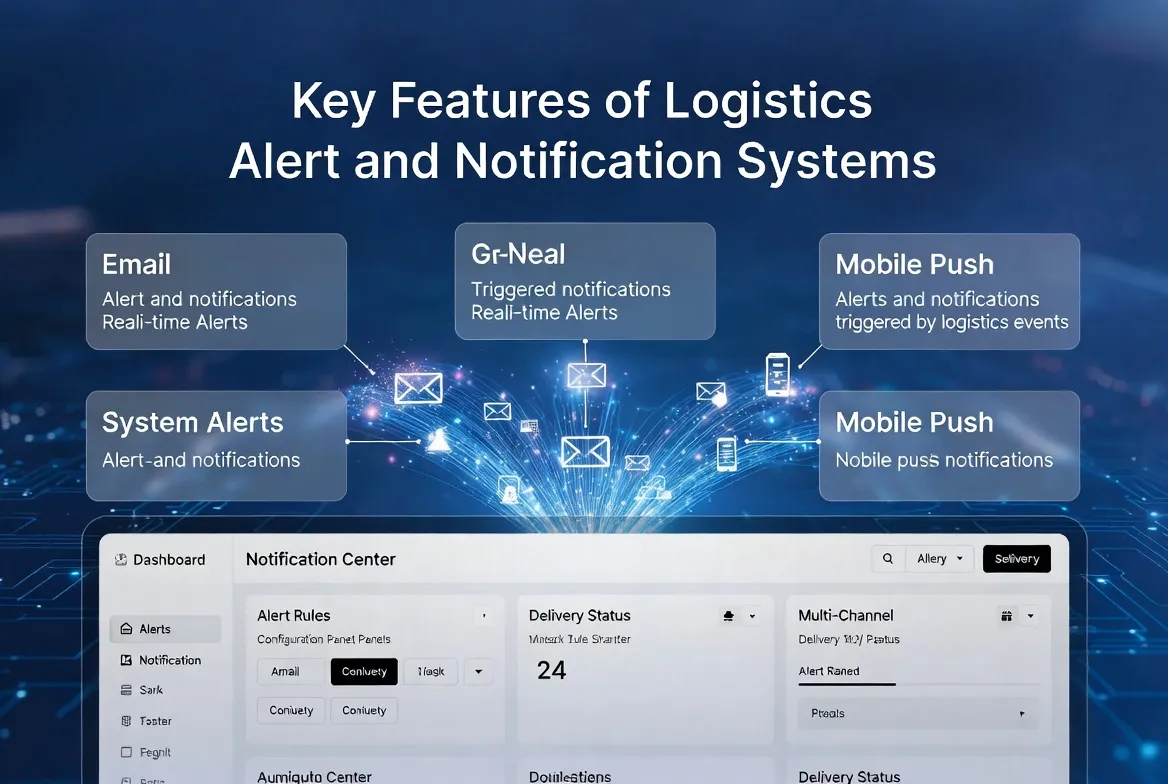
Notification and Alert Management
The system can automatically notify relevant users when actions are required, such as document approval, shipment confirmation, or billing verification.
Workflow Customization
Companies can configure workflows based on their operational procedures. Different shipment types, transport modes, or service requirements can follow different automated process paths.
Integration with Operational Systems
A logistics workflow automation system typically connects with other logistics platforms such as shipment management systems, financial systems, and document management systems, ensuring that workflow automation operates across the entire logistics process.
How Workflow Automation Improves Logistics Operations
Automation helps logistics companies reduce the time spent on routine tasks while ensuring that operational processes follow consistent standards. Instead of manually coordinating each step, staff can focus on exception handling and higher-value activities.
Automation also improves visibility into operational processes, making it easier to monitor performance and identify process bottlenecks.
Who Uses a Logistics Workflow Automation System?
Organizations that benefit from workflow automation include:
Freight forwarding companies
Logistics service providers
Third-party logistics (3PL) operators
Cross-border logistics companies
Supply chain management organizations
Companies with high shipment volumes often rely on workflow automation to maintain efficiency.
Business Benefits
Using a logistics workflow automation system can help companies:
Reduce repetitive administrative work
Improve process consistency
Minimize operational errors
Increase operational efficiency
Improve coordination between departments
Automation enables logistics teams to manage larger operational volumes without increasing workload.
Conclusion
A logistics workflow automation system helps companies automate and standardize logistics processes by organizing operational activities into structured workflows. By reducing manual coordination and ensuring consistent execution, it supports efficient and scalable logistics operations.


-2_20250228.webp "WallTech Wins the Yuguo Award for Best Cross-Border Software")