Apr 01,2026
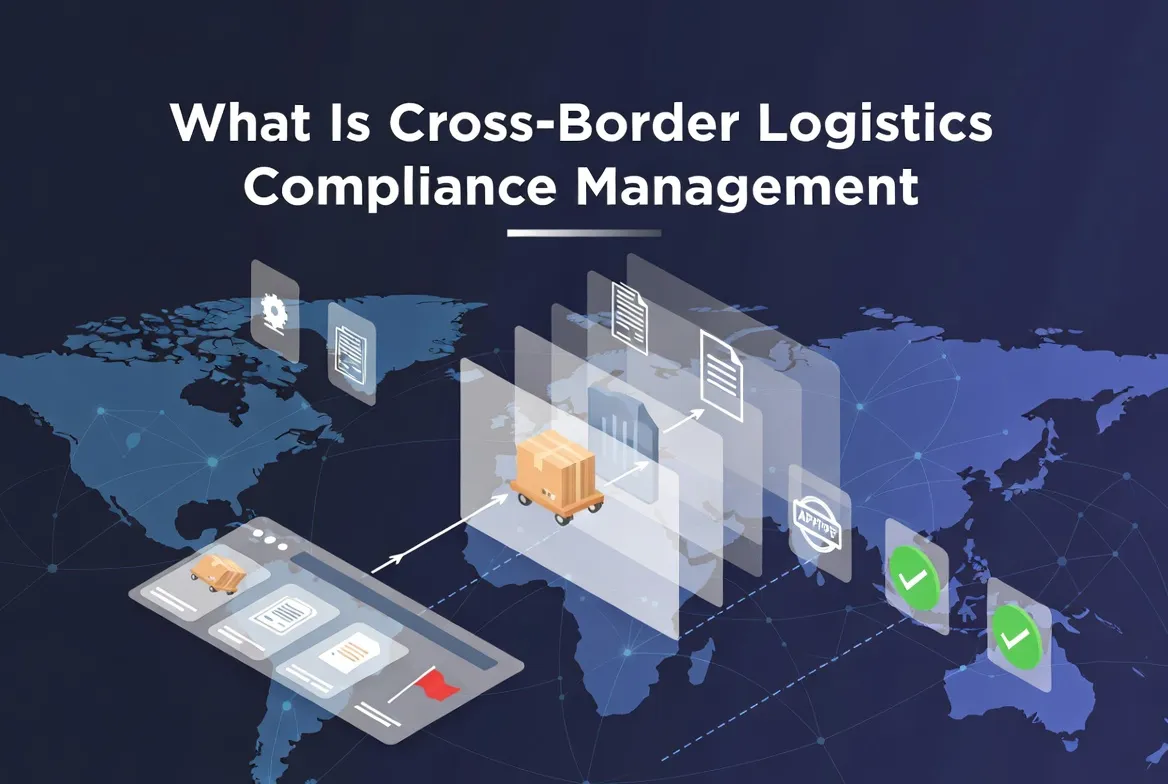
What Is Cross-Border Logistics Compliance Management
An API-integrated logistics system is a digital platform that connects with external systems through application programming interfaces (APIs) to enable real-time data exchange, automated workflows, and seamless system interoperability across logistics networks.
What Does API Integration Mean in Logistics?
API stands for Application Programming Interface. In logistics, API integration allows different systems — such as ERP platforms, carrier systems, warehouse systems, and eCommerce platforms — to communicate and exchange data automatically.
Instead of manually uploading files or sending emails, systems connect directly and synchronize information in real time.
Why Is API Integration Important in Modern Logistics?
Logistics operations involve multiple stakeholders and digital tools, including:
eCommerce platforms
ERP systems
Warehouse management systems
Carrier tracking systems
Customs platforms
Financial software
Without API integration, companies must rely on:
Manual data entry
File imports and exports
Email-based communication
Delayed status updates
This increases operational risk and reduces scalability.
An API-integrated logistics system eliminates these bottlenecks.
Core Functions of an API-Integrated Logistics System
Real-Time Order Synchronization
Automatically receive order data from:
eCommerce platforms
Customer ERP systems
Marketplace integrations
Orders flow directly into the logistics system without manual processing.
Automated Tracking Updates
Synchronize shipment milestones from carrier systems and update tracking information instantly.
Rate & Pricing Data Exchange
Integrate with rate databases or external pricing engines to provide dynamic quotation capabilities.
Warehouse & Inventory Integration
Connect with warehouse systems to synchronize:
Inventory levels
Inbound and outbound status
Fulfillment confirmations
This ensures accurate and consistent data across platforms.
Financial System Connectivity
Integrate with accounting or ERP systems to transfer:
Billing information
Payment status
Cost data
Profit records
Operational and financial data remain aligned.
How Is It Different from Manual Integration?
Manual integration typically involves:
Spreadsheet uploads
Email attachments
Periodic data synchronization
Repetitive data entry
An API-integrated logistics system provides:
Continuous real-time communication
Automated data validation
Reduced human error
Faster operational response
It supports scalable digital infrastructure.
Who Uses an API-Integrated Logistics System?
Typical users include:
Freight forwarders
3PL providers
Cross-border logistics companies
Multichannel eCommerce operators
Global supply chain enterprises
Companies managing high shipment volumes or multiple digital platforms benefit most from API connectivity.
Business Benefits
Implementing an API-integrated logistics system can:
Reduce manual workload
Improve data accuracy
Accelerate order processing
Enhance shipment visibility
Enable system scalability
Support digital transformation initiatives
It enables logistics networks to operate as interconnected digital ecosystems.
Conclusion
An API-integrated logistics system is a platform that connects with external systems through real-time data interfaces. By automating data exchange across operational and financial workflows, it enhances efficiency, scalability, and system interoperability in modern logistics environments.