May 12,2026
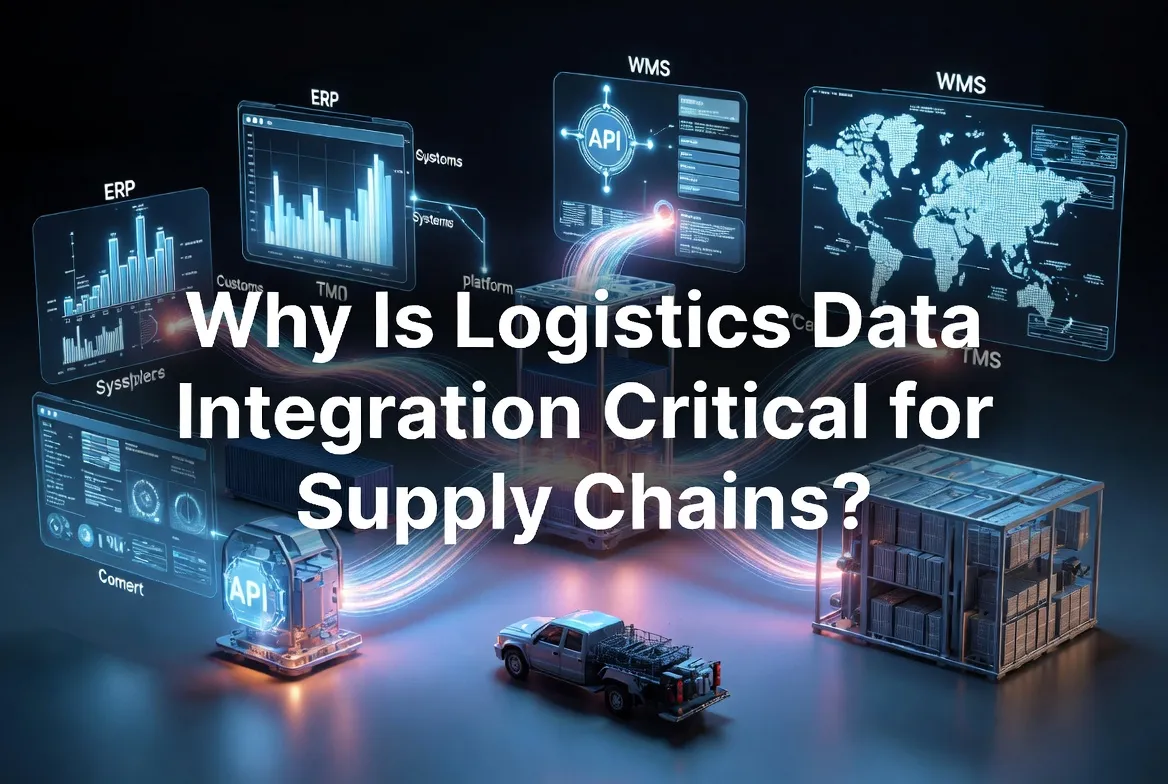
Why Is Logistics Data Integration Critical for Supply Chains?
Introduction
As warehouse operations become more complex and order volumes continue to increase, businesses are turning to automation to improve efficiency and accuracy. Manual warehouse processes are often time-consuming, error-prone, and difficult to scale.
Warehouse automation platforms combine software systems and automation technologies to streamline warehouse operations, reduce manual effort, and enhance productivity. These platforms play a critical role in modern logistics, enabling faster order fulfillment and better inventory management.
What Are Warehouse Automation Platforms
A warehouse automation platform is a system that integrates software (such as WMS) with automation technologies to manage and execute warehouse operations with minimal manual intervention.
These platforms typically include:
Warehouse Management Systems (WMS)
Automation equipment (sorting systems, conveyors, robotic picking)
Barcode and scanning technologies
Workflow automation tools
Integration with external logistics systems
The goal of warehouse automation platforms is to optimize warehouse processes, improve efficiency, and reduce operational costs.
Why Warehouse Automation Platforms Are Important
Warehouse operations are under increasing pressure due to the growth of e-commerce and global logistics.
Rising Order Volumes
Warehouses must handle a higher number of orders with faster turnaround times.
Labor Constraints
Manual operations require significant labor resources, which can be costly and difficult to scale.
Demand for Speed and Accuracy
Customers expect fast delivery and error-free order fulfillment.
Operational Complexity
Managing inventory, orders, and workflows manually becomes increasingly difficult as operations scale.
Warehouse automation platforms address these challenges by automating key processes and improving operational efficiency.
How Warehouse Automation Platforms Work
Data-Driven Operations
Automation platforms rely on real-time data from warehouse systems to coordinate operations.
Inventory data, order information, and warehouse activity are continuously updated and processed.
Task Automation
The system automatically generates and assigns tasks such as:
Receiving goods
Picking items
Packing orders
Sorting shipments
Integration with Automation Equipment
Warehouse automation platforms connect with physical equipment such as:
Conveyor systems
Sorting machines
Robotic picking systems
These systems execute tasks based on instructions from the software platform.
Real-Time Monitoring
Managers can monitor warehouse performance, inventory levels, and operational status through dashboards.
For example, systems can track warehouse activities such as scanning, weighing, sorting, and dispatching in real time.
Key Features of Warehouse Automation Platforms
Automated Task Management
Tasks are generated and assigned automatically based on operational needs and priorities.
Real-Time Inventory Tracking
Inventory levels and movements are updated instantly as goods move through the warehouse.
Integration with Automation Equipment
Platforms connect software systems with hardware devices to execute warehouse operations.
Workflow Optimization
Automation platforms optimize picking routes, sorting processes, and warehouse workflows.
Inventory Monitoring and Alerts
Systems can trigger alerts for:
Low inventory
Overstock situations
Operational delays
End-to-End Visibility
Automation platforms provide visibility across warehouse operations, from inbound receiving to outbound shipping.
For example, systems can track end-to-end warehouse operations and shipment progress across different stages.
Benefits of Warehouse Automation Platforms
Increased Efficiency
Automation reduces manual effort and speeds up warehouse processes.
Improved Accuracy
Automated systems minimize human errors in inventory tracking and order fulfillment.
Faster Order Processing
Optimized workflows enable quicker picking, packing, and shipping.
Reduced Labor Costs
Automation reduces dependence on manual labor and lowers operational costs.
Scalability
Automation platforms allow warehouses to handle higher volumes without proportional increases in labor.
Best Practices for Implementing Warehouse Automation Platforms
Start with Process Optimization
Before implementing automation, ensure warehouse workflows are clearly defined and efficient.
Integrate Systems Effectively
Ensure seamless integration between WMS, automation equipment, and external systems.
Use Data to Guide Automation
Leverage real-time data to optimize workflows and improve decision-making.
Train Staff on New Technologies
Employees should understand how to operate and manage automated systems.
Monitor Performance Continuously
Track key performance indicators such as processing speed, accuracy, and throughput.
Conclusion
Warehouse automation platforms are transforming warehouse operations by combining software systems and automation technologies. These platforms enable businesses to improve efficiency, reduce errors, and scale operations to meet growing demand.
As logistics continues to evolve, warehouse automation will play an increasingly important role in enabling fast, accurate, and efficient supply chain operations.