
Apr 15,2026
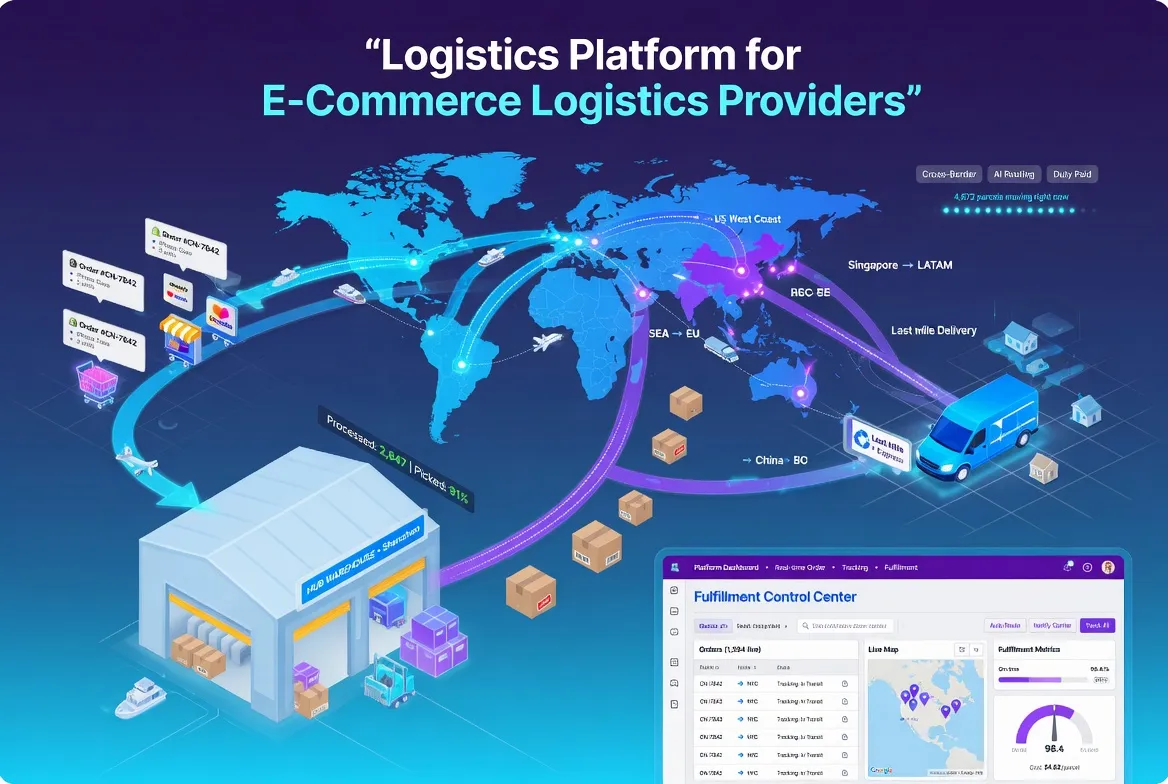
Logistics Platform for E-Commerce Logistics Providers
Introduction
Modern logistics operations are defined by complexity. Shipments move across multiple countries, involve various transportation modes, and require coordination between numerous stakeholders, including freight forwarders, carriers, warehouses, and customs authorities.
In this environment, logistics process automation plays a critical role in enabling efficiency, consistency, and scalability. By replacing manual workflows with automated systems, logistics companies can streamline operations and respond more effectively to growing global demand.
What Is Logistics Process Automation?
Logistics process automation refers to the use of digital platforms and technologies to automatically execute and manage operational workflows across the supply chain.
These processes include:
Order creation and processing
Transportation planning and execution
Warehouse operations
Shipment tracking and updates
Document handling
Billing and financial reconciliation
Automation ensures that these processes are carried out with minimal manual intervention, based on predefined rules, system integrations, and real-time data.
Why Automation Is Essential in Modern Logistics
1. Increasing Complexity of Global Supply Chains
Global logistics networks involve multiple transportation segments—such as sea, air, and land—each with its own processes and data requirements. Managing these manually leads to inefficiencies and delays.
Automation enables centralized control over multi-segment shipments, allowing companies to track and manage operations seamlessly across different modes.
2. Rising Shipment Volumes
The growth of cross-border eCommerce and global trade has significantly increased shipment volumes. Manual operations cannot scale efficiently to meet this demand.
Automated systems allow logistics companies to handle higher volumes without increasing operational workload proportionally.
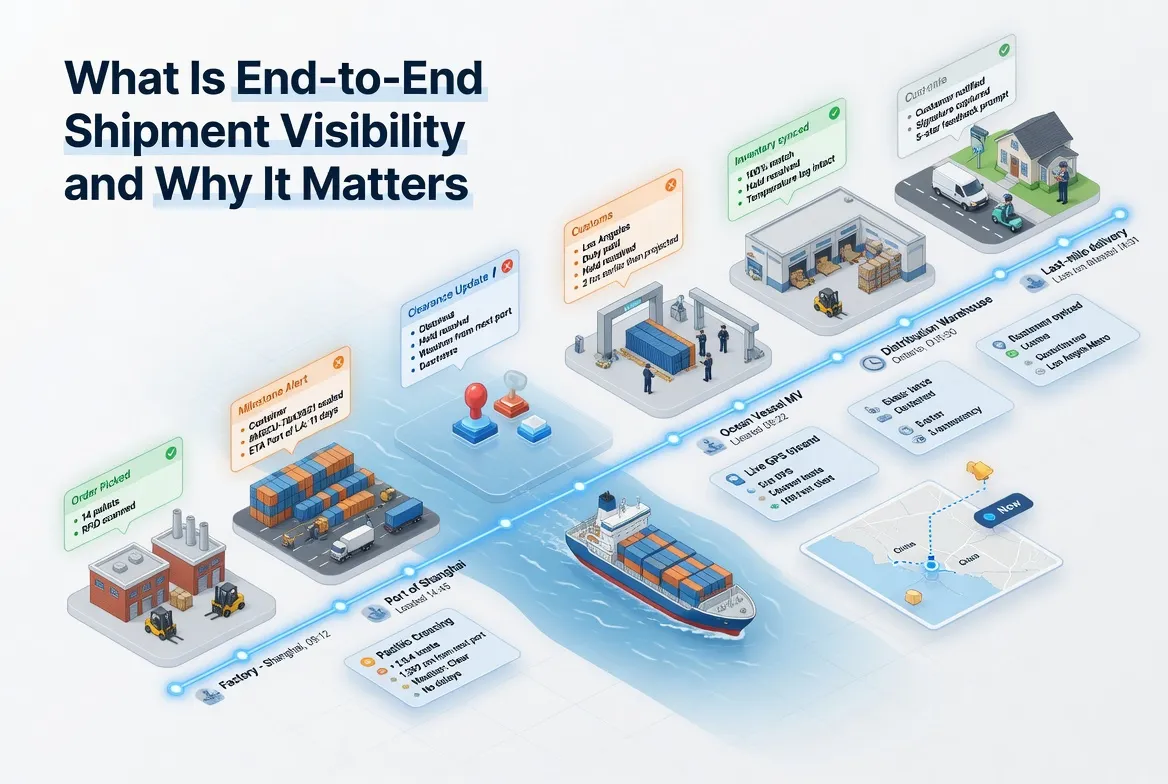
3. Demand for Real-Time Visibility
Customers expect real-time updates on shipment status. Automation ensures that tracking data is continuously captured, synchronized, and shared across systems.
This includes automatic tracking subscription and multi-source data aggregation to provide end-to-end visibility.
4. Need for Operational Consistency
Manual processes often vary between teams and regions, leading to inconsistencies. Automation standardizes workflows, ensuring that operations follow defined procedures across the organization.
Key Areas Where Process Automation Is Applied
1. Order and Workflow Automation
Automation begins at the order level. Logistics platforms support:
API-based order synchronization from upstream systems
Batch uploads for large volumes
Standardized templates for quick order creation
Once created, orders automatically move through predefined workflows, triggering tasks at each stage.
2. Transportation Process Automation
Logistics platforms automate transportation management by:
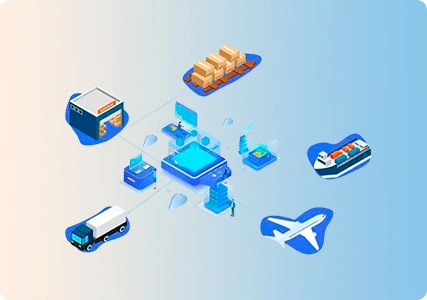
Coordinating multi-modal shipments (sea, air, land, express)
Synchronizing tracking events across all segments
Automatically updating shipment milestones
This ensures that all transportation stages are connected and managed within a unified system.
3. Warehouse Operations Automation
Warehouse processes such as receiving, put-away, picking, and outbound operations can be automated through digital workflows.
Systems integrate with warehouse management tools to:
Record inbound and outbound activities
Track inventory movements in real time
Generate operational tasks automatically
This reduces manual handling and improves accuracy in warehouse operations.
4. Exception and Alert Automation
Unexpected events—such as delays, missing updates, or abnormal transit times—can disrupt logistics operations.
Automation allows companies to:
Define exception rules based on time, status, or conditions
Trigger alerts automatically when issues occur
Notify relevant stakeholders through configured channels
This enables proactive issue resolution and minimizes operational risks.
5. Document and Compliance Automation
Logistics operations require extensive documentation, including shipping documents, customs declarations, and invoices.
Automation simplifies document handling by:
Generating documents using configurable templates
Linking documents to shipment records
Supporting export and sharing across systems
This ensures compliance and reduces administrative workload.
6. Financial Process Automation
Financial operations are closely linked to logistics execution. Automation enables:
Automatic calculation of charges based on predefined rules
Generation of receivable and payable invoices
Cost allocation across shipments and containers
Real-time profit analysis
By integrating financial workflows with operational data, companies achieve better financial control and accuracy.
Benefits of Logistics Process Automation
Improved Efficiency
Automation reduces repetitive manual tasks, allowing teams to process shipments faster and with fewer resources.
Enhanced Accuracy
Standardized workflows and automated calculations minimize errors in data entry, pricing, and documentation.
Greater Visibility
Real-time tracking and centralized data provide full visibility into shipment status and operational performance.
Scalability
Automated systems enable logistics companies to scale operations without increasing complexity or workforce proportionally.
Better Collaboration
By connecting all stakeholders within a unified platform, automation improves communication and coordination across the supply chain.
Best Practices for Implementing Logistics Process Automation
1. Define Clear Process Structures
Before automation, companies should map out their logistics workflows and identify areas for optimization.
2. Ensure System Integration
Automation is most effective when systems are interconnected. Integration with ERP, WMS, carrier systems, and external platforms is essential.
3. Use Configurable Rules and Workflows
Flexible rule configuration allows automation to adapt to different business scenarios and customer requirements.
4. Focus on End-to-End Automation
Rather than automating isolated tasks, companies should aim for end-to-end process automation across the entire shipment lifecycle.
5. Continuously Monitor Performance
Regular analysis of operational data helps identify inefficiencies and improve automation strategies over time.
Conclusion
Logistics process automation is a foundational element of modern supply chain operations. It enables companies to manage complex workflows, handle increasing shipment volumes, and deliver real-time visibility to customers.
As global logistics continues to evolve, automation will play an increasingly important role in driving efficiency, improving service quality, and maintaining competitiveness in a fast-paced and data-driven industry.