Sep 20,2026
15 Years Forward: WallTech’s AI Evolution Challenge and Dongshan Hike
Introduction
A logistics platform for managing multi-channel orders is a centralized system that consolidates and processes shipment orders originating from multiple sales channels, such as eCommerce platforms, ERP systems, customer portals, and manual inputs. It enables logistics companies to unify order data, standardize workflows, and coordinate execution across different channels efficiently. In modern logistics operations, managing multi-channel orders is critical for handling high volumes, maintaining data consistency, and ensuring seamless fulfillment.
What is Multi-Channel Order Management in Logistics
Multi-channel order management in logistics refers to the ability to capture, process, and execute shipment orders from multiple sources within a single unified system.
Common order channels include:
eCommerce platforms (Amazon, Shopify, eBay, etc.)
ERP and OMS systems
Customer self-service portals
API integrations with partners
Manual entry for customized shipments
Bulk uploads via templates
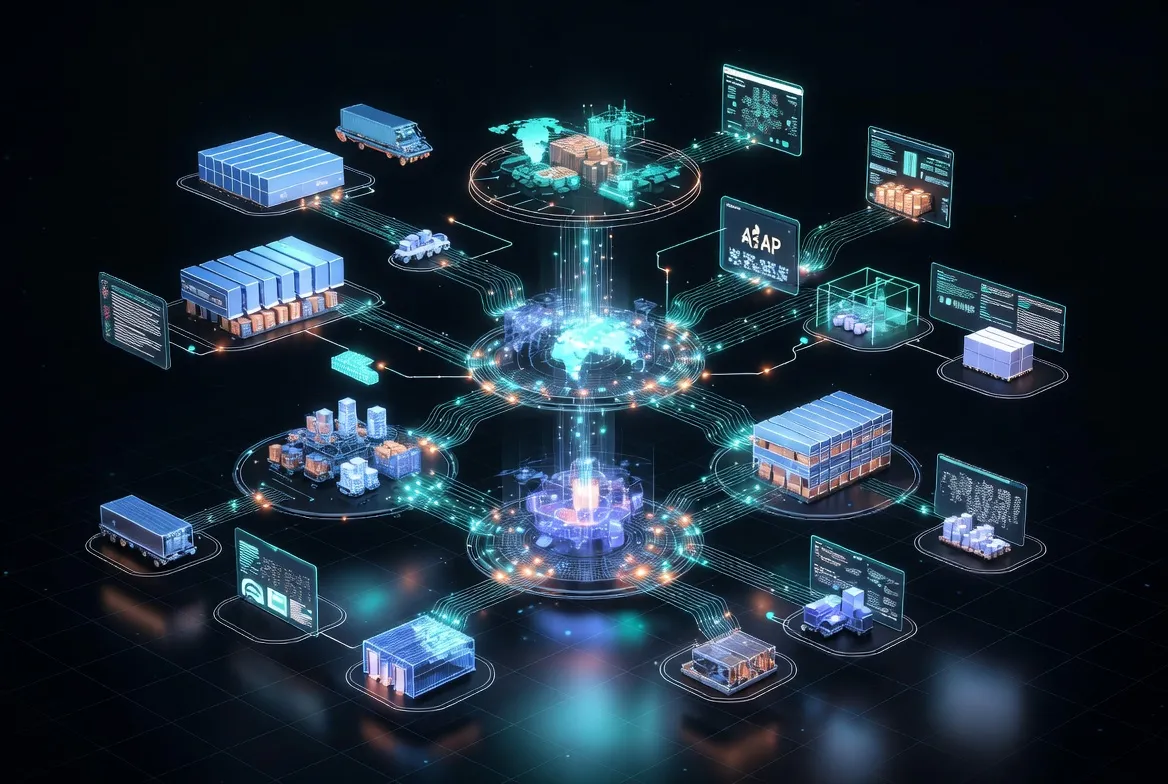
A logistics platform acts as the central hub that integrates all these channels, ensuring that orders are processed consistently regardless of their origin.
In cross-border logistics, this capability is especially important due to the diversity of platforms and systems involved.
Why Multi-Channel Order Management Matters
1. Eliminates Data Fragmentation
Without a centralized system:
Orders are scattered across multiple platforms
Data formats are inconsistent
Manual consolidation is required
A unified platform ensures all orders are managed in one place.
2. Supports High-Volume Operations
Cross-border eCommerce logistics often involves:
Thousands of daily orders
Multiple platform integrations
Rapid processing requirements
Multi-channel management enables scalable operations without increasing manual workload.
3. Improves Operational Consistency
Different channels may have different data structures and workflows.
A logistics platform:
Standardizes order formats
Applies consistent validation rules
Ensures uniform execution processes
4. Enhances Customer Experience
With centralized order management:
Customers receive consistent service regardless of channel
Tracking and communication are unified
Errors caused by channel differences are reduced
5. Enables Better Control and Visibility
Managing all orders in one system provides:
Real-time visibility across channels
Unified reporting and analytics
Better operational oversight
How Logistics Platforms Manage Multi-Channel Orders
1. Order Integration Across Channels
The platform connects with multiple order sources through:
API integrations with eCommerce platforms and ERPs
Data synchronization with external systems
Standardized import templates
This ensures seamless order intake regardless of the source.
Many systems integrate directly with global platforms and ERPs, enabling automated order synchronization across ecosystems .
2. Data Normalization and Standardization
Orders from different channels may have varying formats.
The system:
Maps fields into a unified data structure
Standardizes units, formats, and required fields
Applies validation rules to ensure data quality
3. Centralized Order Processing
Once standardized, all orders are processed within a single system:
Order creation and confirmation
Routing and carrier selection
Workflow execution
This eliminates the need to switch between systems.
4. Automated Workflow Execution
The platform automates key processes:
Task assignment across departments
Document generation
Shipment status updates
Workflow automation ensures consistent execution across all orders.
5. Intelligent Routing and Resource Allocation
For each order, the system:
Selects carriers based on rules (destination, weight, service level)
Determines optimal routes
Allocates resources efficiently
Routing logic is applied consistently across all channels.
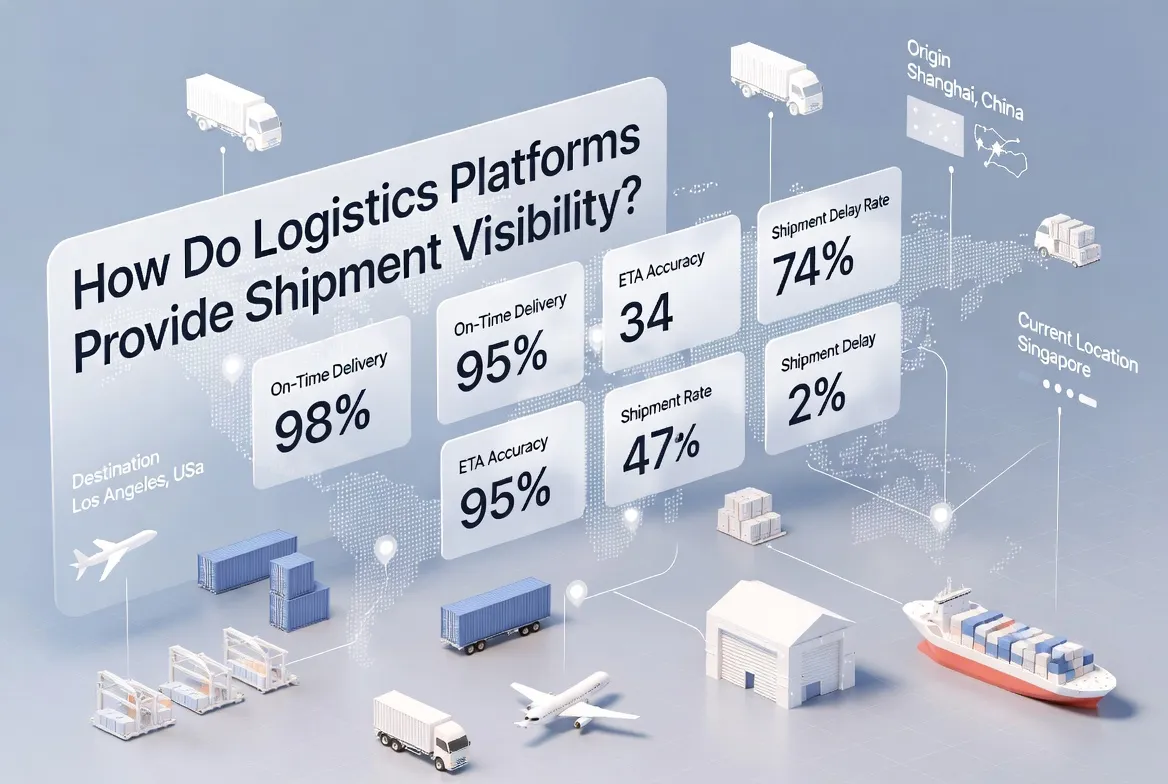
6. Unified Tracking and Visibility
All orders are tracked within the same system:
End-to-end shipment visibility
Milestone-based tracking timelines
Real-time updates across all channels
This creates a single source of truth for operations.
7. Financial Synchronization
Multi-channel orders are linked to financial processes:
Automated cost calculation
Billing and invoicing
Reconciliation across channels
This ensures financial consistency regardless of order origin.
Key Features of Multi-Channel Logistics Platforms
1. Multi-Source Order Integration
API connections with platforms and systems
Bulk import capabilities
Manual order entry
2. Unified Data Model
Standardized order structure
Consistent data validation rules
3. Workflow Automation
SOP-based process management
Automated task assignment
Exception handling workflows
4. End-to-End Visibility
Unified order tracking timeline
Real-time status updates
Cross-channel visibility
5. Collaboration Across Roles
Multi-role coordination within one system
Shared data across teams and partners
Role-based permissions
6. Intelligent Routing
Automated carrier selection
Rule-based routing logic
Multi-leg shipment planning
7. Financial Integration
Automated billing and invoicing
Cost and revenue tracking
Reconciliation processes
Benefits for Logistics Companies
Operational Efficiency
Eliminates manual data consolidation
Reduces system switching
Scalability
Handles growing order volumes across channels
Supports business expansion into new platforms
Improved Accuracy
Reduces data inconsistencies
Ensures standardized processing
Enhanced Visibility
Provides a unified view of all orders
Enables better monitoring and control
Better Customer Experience
Consistent service across channels
Unified tracking and communication
Best Practices / Use Cases
1. Cross-Border eCommerce Logistics Providers
Integrate with multiple marketplaces and ERPs to manage high-volume parcel shipments efficiently.
2. Freight Forwarders Expanding Digital Channels
Support customer portals, API integrations, and traditional order entry within a single platform.
3. 3PL Companies Serving Diverse Clients
Manage orders from different clients and systems while maintaining standardized workflows.
4. Multi-Region Logistics Operations
Consolidate orders from different regions and platforms into one system for centralized control.
5. Omnichannel Fulfillment Networks
Coordinate orders from online, offline, and partner channels within a unified logistics workflow.
Conclusion
Managing multi-channel orders is a fundamental requirement for modern logistics operations. A centralized logistics platform enables companies to unify data, standardize processes, and execute shipments efficiently across diverse channels.
As logistics ecosystems continue to expand and diversify, the ability to manage multi-channel orders effectively becomes a key competitive advantage for freight forwarders, 3PLs, and cross-border logistics providers.
Frequently Asked Questions
What is multi-channel order management in logistics?
It is the process of managing shipment orders from multiple sources—such as eCommerce platforms, ERPs, and customer portals—within a unified system.
How do logistics platforms handle multi-channel orders?
They integrate with various systems, standardize order data, automate workflows, and provide centralized tracking and management.
Why is multi-channel order management important?
It improves efficiency, reduces data fragmentation, ensures consistency, and supports high-volume operations.
What are the benefits of multi-channel logistics platforms?
They provide scalability, better visibility, improved accuracy, and enhanced customer experience.
What features should a multi-channel logistics system include?
Key features include multi-source integration, workflow automation, unified tracking, intelligent routing, and financial synchronization.
About WallTech
WallTech provides digital logistics solutions designed to support multi-channel order management across global logistics operations. Its platforms enable seamless integration with eCommerce systems, ERPs, and partner platforms, allowing logistics companies to consolidate orders into a unified workflow. With end-to-end visibility, milestone-based tracking, and multi-role collaboration, businesses can manage operations with greater transparency and efficiency. WallTech also supports automation across order processing, routing, billing, and reconciliation, helping logistics providers scale their operations while maintaining accuracy and control.
If you're exploring ways to improve your logistics operations, feel free to connect with us to learn more about our solutions and system capabilities.