




Aug 07,2023
How Cloud Computing Reshapes the Logistics Industry
Global freight forwarding operations rely heavily on cooperation between agents located in different countries. These agents coordinate bookings, documentation, customs clearance, cargo handling, and delivery across multiple logistics nodes. Without structured coordination, managing these interactions becomes complex and prone to delays or miscommunication.
A modern freight forwarding system provides the digital infrastructure that enables seamless agent collaboration. By centralizing shipment information, operational workflows, and communication channels within one platform, logistics companies can coordinate activities across global partners with greater visibility and consistency.
Understanding Global Agent Collaboration in Freight Forwarding
In international logistics, freight forwarders often depend on networks of overseas agents to manage shipments at origin and destination. These agents handle operational responsibilities such as documentation preparation, cargo handling coordination, and local service arrangements.
Global agent collaboration refers to the structured coordination between these partners throughout the shipment lifecycle. Each participant contributes information and performs tasks at specific stages, ensuring cargo moves smoothly from shipper to consignee.
Digital freight forwarding systems enable this collaboration by connecting multiple stakeholders within a unified operational environment. Instead of relying on emails, spreadsheets, or disconnected tools, agents interact through shared shipment records, standardized workflows, and synchronized operational data.
The Operational Importance of Agent Collaboration
Efficient collaboration between global agents directly affects shipment reliability and customer satisfaction. When information flows slowly or inconsistently between partners, delays in documentation or operational coordination can occur.
Freight forwarding involves many interdependent steps, including booking confirmations, document exchanges, cargo tracking, and financial settlements. These activities often span different time zones and organizations. A centralized system helps ensure that all participants work with the same information and operational status.
Digital systems also reduce the risk of duplicated communication. When shipment updates, documents, and instructions are stored within the platform, both origin and destination agents can access the same operational data without repeatedly requesting updates.
Core System Capabilities for Agent Collaboration
Freight forwarding platforms provide several capabilities that support effective collaboration across agent networks. One of the most important features is centralized shipment management, where all shipment data, milestones, and related documents are stored within a single system record.
Another key capability is shared document management. Shipping instructions, bills of lading, invoices, and customs documents can be uploaded, accessed, and updated by authorized partners. Version control ensures that all participants work with the most recent document versions.
Modern platforms also support structured communication tools within the shipment workflow. Instead of scattered conversations across multiple channels, system-based messaging or task assignments allow agents to coordinate operational steps directly within the shipment record.
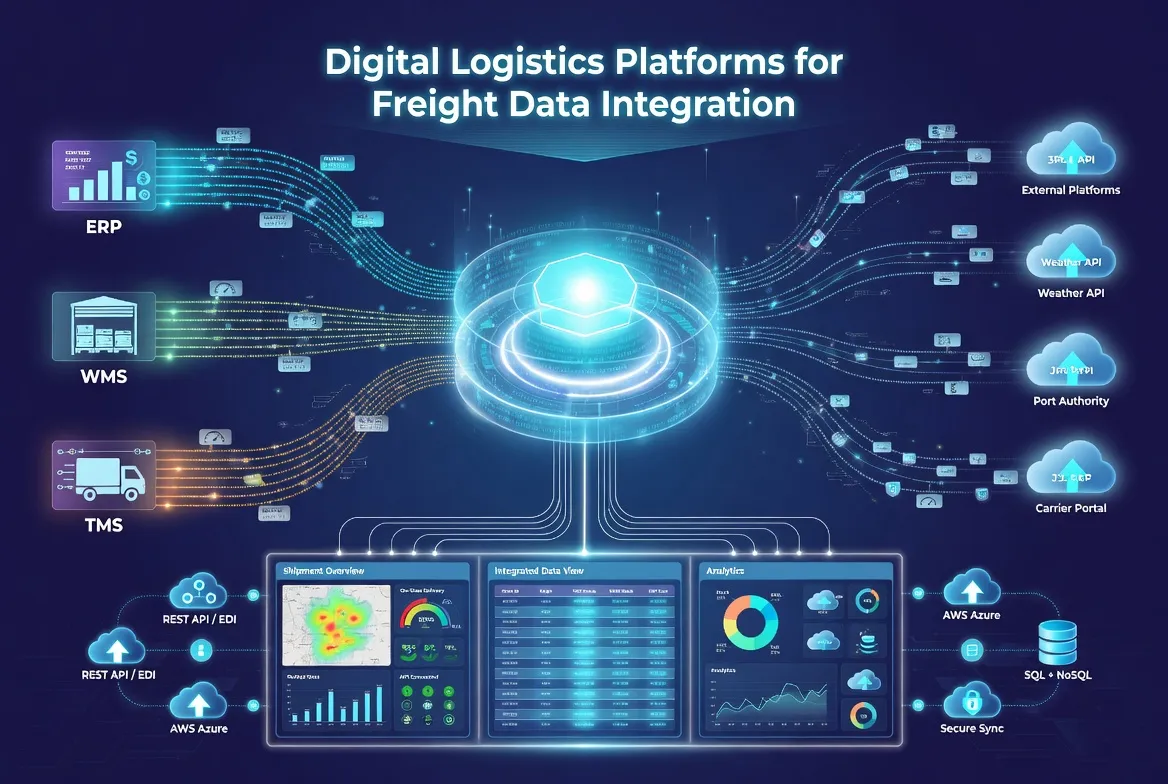
Freight forwarding platforms often integrate operational data such as carrier schedules, transport events, and external tracking information. This integration allows agents to monitor shipment progress and respond quickly when operational adjustments are required.
Typical Workflow of Collaborative Freight Operations
A collaborative freight workflow begins when a shipment order is created in the freight forwarding system. Operational data such as shipper details, cargo specifications, service routes, and estimated transport schedules are entered into the platform.
Once the shipment is initiated, origin agents manage booking confirmation, cargo readiness, and export documentation. These updates are recorded in the system so that destination agents and internal teams can monitor progress.
During transit, shipment tracking events and milestone updates are captured through system integrations or manual updates. Agents responsible for different stages of transportation can access these updates to prepare subsequent operational steps.
At the destination stage, local agents coordinate customs clearance, cargo release, and final delivery arrangements. Because all operational data has been recorded throughout the shipment lifecycle, downstream agents can quickly access the information required to complete the process.
Business Value of Digital Agent Collaboration
The use of a freight forwarding system significantly improves operational transparency across the agent network. All participants have access to consistent shipment data, reducing the risk of misunderstandings or incomplete information.
Digital collaboration also improves operational efficiency. Tasks can be assigned automatically, milestones can trigger notifications, and shipment status updates can be shared in real time across teams and partners.
Another important benefit is improved accountability. When operational actions and document updates are recorded in the system, companies can trace how each shipment was handled and identify process bottlenecks.
For freight forwarders operating across multiple regions, centralized collaboration systems also help standardize operational practices. Instead of each branch or agent using different procedures, workflows can be structured according to consistent operational rules.
Industry Best Practices for Managing Global Agent Networks
Logistics companies typically follow several best practices when implementing digital collaboration across their agent networks. The first is establishing standardized data structures for shipment records. Consistent data fields ensure that all agents capture the same operational information.
Another best practice is defining clear role-based permissions. Each participant should have appropriate access to shipment data and documents while maintaining data security and operational control.
Freight forwarders also benefit from integrating external data sources such as carrier systems, tracking platforms, and financial systems. These integrations allow operational updates to flow automatically into the platform, reducing manual updates and improving accuracy.
Finally, companies should continuously monitor operational performance using analytics tools. Data dashboards can provide insights into shipment timelines, operational delays, and collaboration efficiency, helping organizations refine their processes over time.
The Role of Digital Platforms in Global Freight Collaboration
As international logistics networks become more complex, digital platforms play an increasingly important role in enabling coordination between global partners. Freight forwarding systems serve as operational control centers that connect shipment data, operational workflows, and partner interactions.
By centralizing collaboration across agents, freight forwarders can manage international operations with greater transparency and operational consistency. These systems provide the digital foundation required to coordinate shipments across multiple countries, partners, and service providers.
In modern freight operations, effective global agent collaboration is no longer managed through manual communication alone. Instead, it is supported by integrated logistics management platform that organize information, standardize workflows, and connect every participant involved in the shipment lifecycle.
.webp "How Logistics Collaboration Improves Logistics Operations")


