.webp "What Is Logistics Automation and How Does It Work")
Apr 03,2026
What Is Logistics Automation and How Does It Work
Introduction
Automation improves customer response speed in logistics by reducing manual processes, enabling real-time data access, and triggering instant system-driven actions across workflows. By automating tasks such as data entry, status updates, notifications, and exception handling, logistics platforms allow companies to respond to customer inquiries and operational events much faster and more accurately.
In a fast-paced global logistics environment—where delays, disruptions, and customer expectations are constantly increasing—response speed is a critical factor in service quality. Companies that rely on manual processes often struggle to keep up, while those leveraging automation can deliver faster, more consistent, and scalable customer service.
What is Automation in Logistics Customer Response
Automation in logistics customer response refers to the use of technology to automatically handle communication, data processing, and workflow execution related to customer interactions.
It includes automating tasks such as:
Responding to shipment status inquiries
Sending notifications and updates
Processing shipment data
Triggering workflow actions
Managing exception alerts
Instead of relying on human intervention for every step, automation allows systems to execute tasks based on predefined rules and real-time data.
This is especially important for:
Freight forwarders managing complex shipments
3PL providers handling multiple clients
Cross-border eCommerce logistics companies dealing with high volumes of orders
Why Customer Response Speed Matters
1. Customer Expectations Are Increasing
Customers expect instant access to information and quick responses to inquiries.
Slow responses can lead to dissatisfaction and loss of trust.
2. Operational Complexity Requires Fast Reactions
Logistics operations involve multiple stakeholders and moving parts.
Delays in communication can impact the entire supply chain.
3. Competitive Advantage
Faster response times can differentiate logistics providers in a competitive market.
4. Reduced Operational Bottlenecks
Manual processes slow down workflows and create inefficiencies.
Automation eliminates these bottlenecks.
5. Improved Issue Resolution
Quick responses enable faster identification and resolution of issues, reducing operational risks.
How Automation Improves Response Speed
Modern logistics platforms use automation to streamline processes and deliver faster responses.
1. Automated Data Processing
Automation tools extract and process data from documents and systems, eliminating manual data entry.
For example:
AI-based OCR extracts shipment details from documents
Data is automatically populated into the system
This reduces processing time and improves accuracy.
2. Real-Time Data Availability
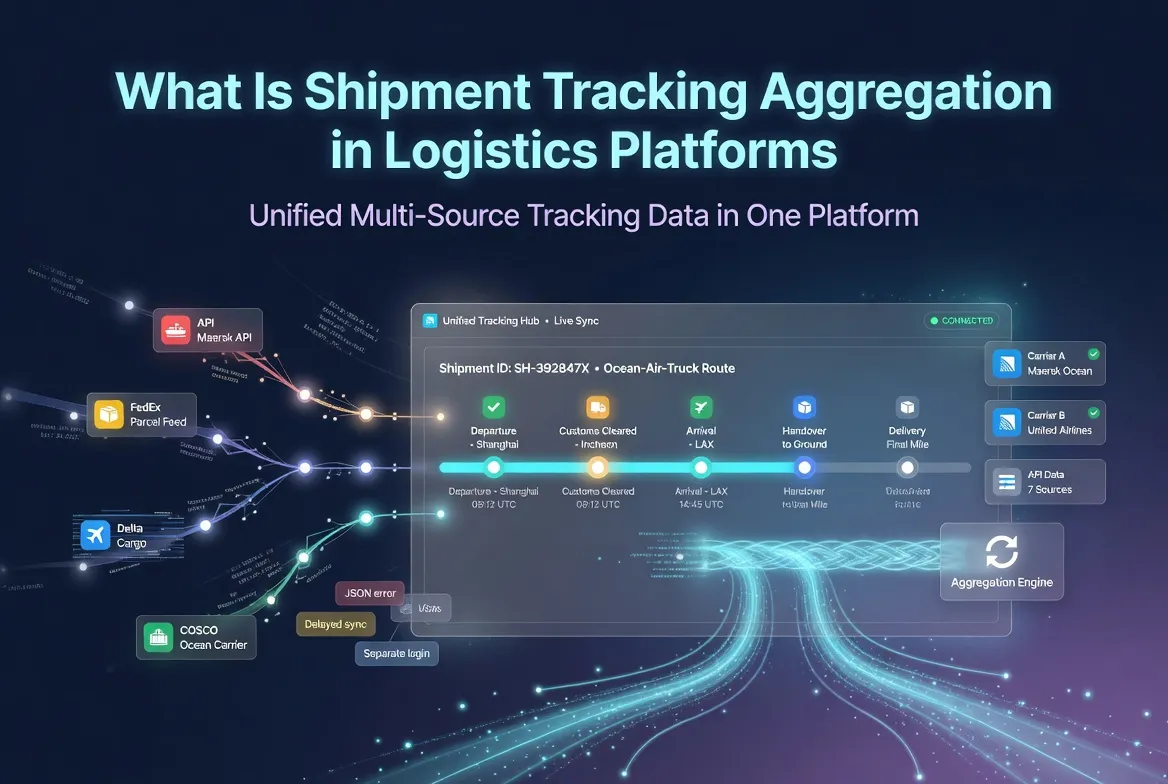
Automated systems continuously update shipment data, ensuring that:
Information is always current
Responses are based on real-time data
This enables instant answers to customer inquiries.
3. Automated Notifications
Systems automatically send updates for:
Shipment milestones
Delays or exceptions
Delivery confirmations
Customers receive information without needing to ask.
4. Workflow Automation
Predefined workflows ensure that tasks are triggered automatically, such as:
Order processing
Document preparation
Approval processes
This reduces delays caused by manual coordination.
5. Exception Detection and Alerts
Automation identifies issues in real time and triggers alerts, allowing teams to respond immediately.
6. Self-Service Enablement
Customers can access information directly through platforms, reducing the need for manual responses.
7. Integration Across Systems
Automation connects multiple systems, ensuring seamless data flow and reducing delays caused by data silos.
Key Features / Key Capabilities
1. Workflow Automation
Automated task assignment
SOP-driven processes
Reduced manual intervention
2. AI-Powered Data Recognition
OCR for document processing
Automated data extraction and validation
3. Real-Time Visibility
Continuous shipment tracking
Milestone-based updates
Unified timeline view
4. Automated Notifications
Event-driven alerts
Customizable notification rules
Multi-channel delivery
5. Exception Management
Real-time issue detection
Automated alert generation
Faster resolution processes
6. Multi-Role Collaboration
Seamless coordination between teams and stakeholders
Shared access to real-time data
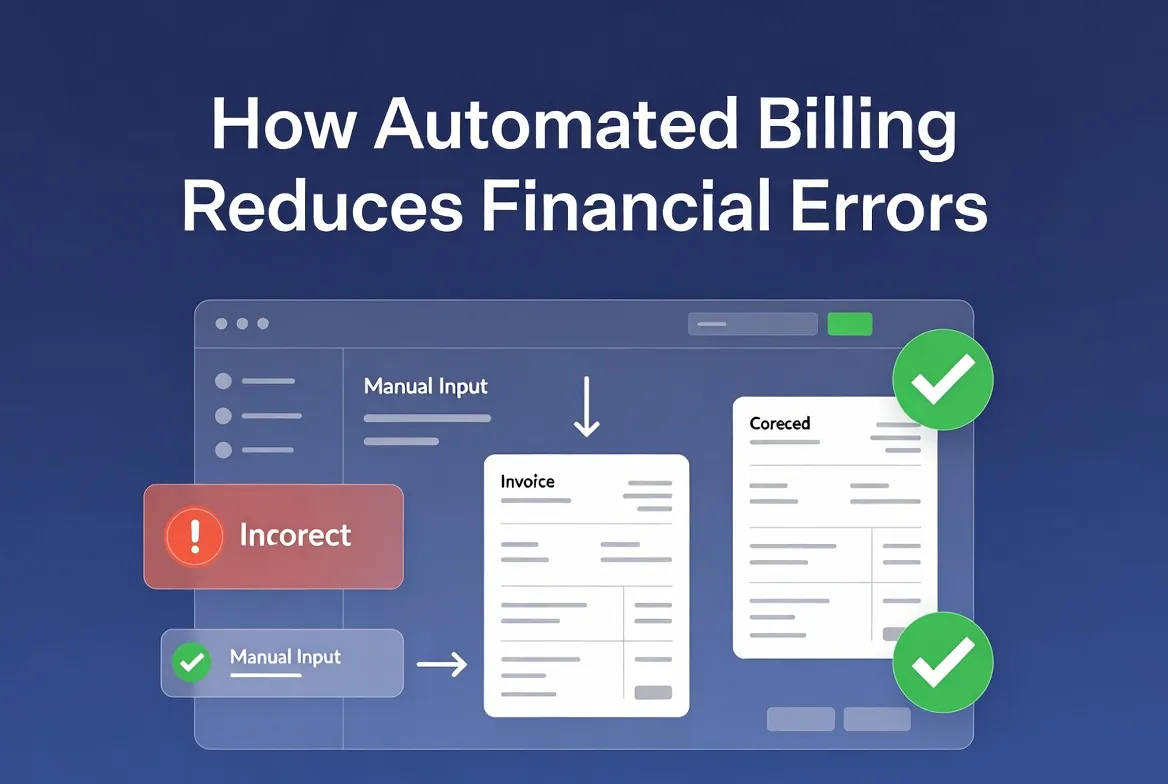
7. Financial Automation
Automated billing and invoicing
Real-time cost tracking
Automated reconciliation processes
8. System Integration
API connectivity with external systems
Integration with ERP, WMS, and TMS platforms
Benefits for Logistics Companies
1. Faster Customer Response Times
Automation enables immediate responses to inquiries and events.
2. Reduced Manual Workload
Repetitive tasks are handled by the system, freeing up resources.
3. Improved Accuracy
Automated processes reduce errors associated with manual data entry.
4. Enhanced Customer Satisfaction
Faster and more reliable responses improve the customer experience.
5. Scalable Operations
Automation allows companies to handle higher volumes without increasing staff.
Best Practices / Use Cases
1. Freight Forwarding
Automate shipment updates and customer notifications to improve response speed.
2. Cross-Border eCommerce Logistics
Handle high volumes of customer inquiries with automated tracking and alerts.
3. 3PL Operations
Streamline communication and workflows across multiple services and clients.
4. Exception Management
Use automation to detect and respond to delays or disruptions in real time.
Best Practices:
Implement automation for repetitive tasks
Use AI for data extraction and processing
Enable real-time tracking and updates
Integrate systems for seamless data flow
Provide self-service capabilities for customers
Conclusion
Automation is a key driver of improved customer response speed in logistics. By reducing manual processes, enabling real-time data access, and automating workflows, logistics platforms allow companies to respond faster and more accurately to customer needs.
As logistics operations continue to grow in complexity, adopting automation will be essential for maintaining efficiency, scalability, and high-quality customer service.
Frequently Asked Questions
What is automation in logistics customer response?
It refers to using technology to automatically handle communication, data processing, and workflows related to customer interactions.
How does automation improve response speed?
It eliminates manual tasks, provides real-time data, and triggers instant system actions.
Why is response speed important in logistics?
It impacts customer satisfaction, operational efficiency, and competitiveness.
What technologies are used for automation?
Technologies include AI, OCR, workflow automation, and system integration.
Who benefits from automation in logistics?
Freight forwarders, 3PL providers, and eCommerce logistics companies all benefit.
About WallTech
WallTech provides digital logistics platforms that leverage automation to improve operational efficiency and customer response speed. By integrating workflow automation, intelligent data processing, and real-time shipment visibility, its systems enable logistics companies to respond quickly and accurately to customer needs. Multi-role collaboration ensures seamless coordination between customers, operators, and partners, while milestone-based tracking provides clear visibility across the shipment lifecycle. With capabilities such as automated billing, reconciliation, and exception alerts, WallTech helps logistics providers reduce manual workload and scale their operations efficiently.
If you're exploring ways to improve your logistics operations, feel free to connect with us to learn more about our solutions and system capabilities.