
.webp "How Modern Platforms Enable Operational Cost Visibility")
Mar 16,2026
How Modern Platforms Enable Operational Cost Visibility
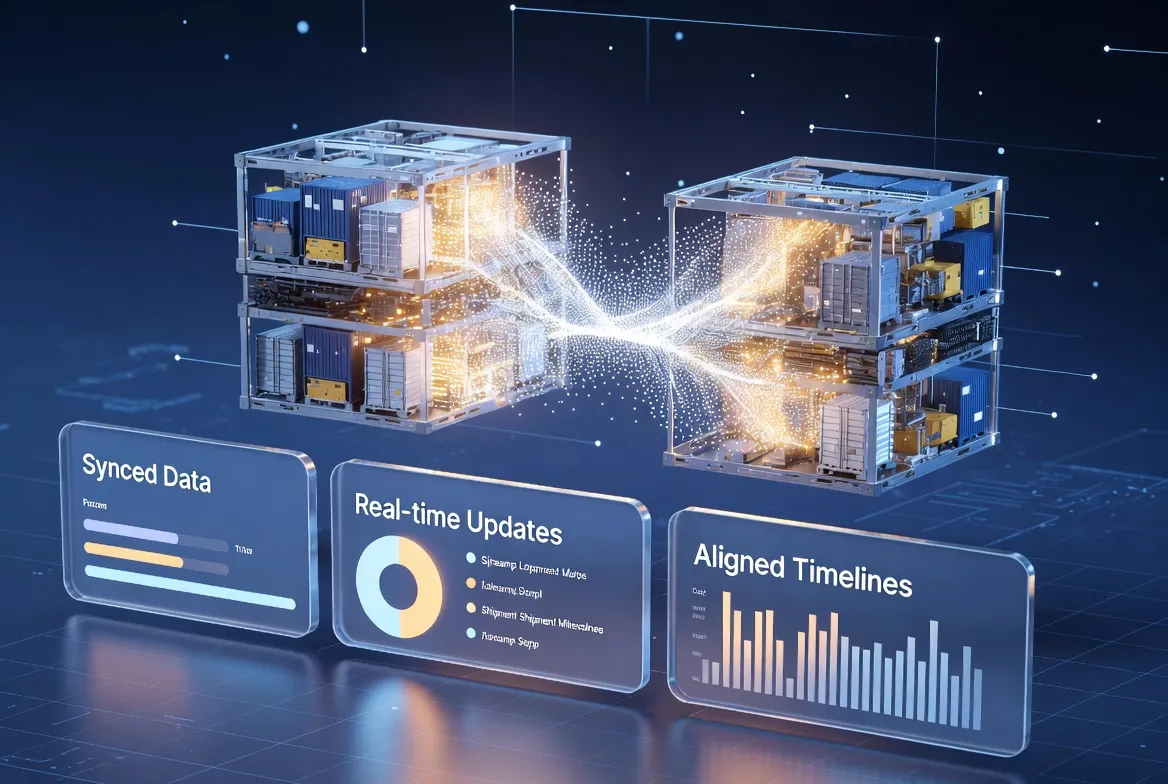
A logistics data integration platform is a digital system that connects and synchronizes data from multiple logistics-related systems into a unified environment. It enables different operational platforms—such as transportation systems, warehouse systems, financial systems, and external partner systems—to exchange information automatically and maintain consistent records.
Why Data Integration Is Important in Logistics
Modern logistics operations rely on numerous digital tools and systems to manage shipments, inventory, financial records, and customer communication. These systems often operate independently, which can create fragmented data across different platforms.
Without proper data integration, logistics companies may experience:
Data inconsistencies between systems
Repeated manual data entry
Delayed information updates
Difficulty coordinating operations across departments
Limited visibility into operational performance
A logistics data integration platform helps resolve these challenges by connecting different systems and allowing them to share information efficiently.
Core Functions of a Logistics Data Integration Platform
System Connectivity
The platform connects various logistics systems, including:
Transportation management systems
Warehouse management systems
Freight management platforms
Financial and accounting systems
Customer portals
Carrier tracking systems
This ensures that operational data flows smoothly between platforms.
Data Synchronization
Information such as shipment details, order updates, inventory levels, and financial records can be synchronized across connected systems in real time or at scheduled intervals.
This helps ensure that every department works with consistent and up-to-date information.
Data Transformation and Standardization
Different systems may store or structure data differently. A logistics data integration platform can convert and standardize data formats so that information can be shared accurately between systems.
Workflow Data Exchange
Operational events such as shipment status updates, document uploads, or billing records can automatically trigger updates in other connected systems.
This allows business processes to operate more efficiently without manual coordination.
Monitoring and Error Handling
The platform monitors data flows between systems and identifies errors or integration failures. When issues occur, alerts can be generated so that teams can address them promptly.
How Data Integration Supports Logistics Operations
With an integrated data environment, logistics companies can improve collaboration between departments and systems. For example, when shipment information is updated in one system, the changes can automatically appear in related platforms such as financial systems or customer portals.
This reduces manual work and improves operational transparency.
Who Uses Logistics Data Integration Platforms?
Logistics data integration platforms are commonly used by:
Freight forwarding companies
Third-party logistics providers (3PL)
Cross-border logistics operators
Supply chain management organizations
Enterprises managing complex logistics networks
Companies that operate multiple digital systems benefit most from integrated data environments.
Business Benefits
Using a logistics data integration platform can help companies:
Reduce manual data entry
Improve data accuracy
Synchronize information across systems
Increase operational visibility
Improve coordination between departments
It creates a connected digital ecosystem for logistics operations.
Conclusion
A logistics data integration platform connects multiple logistics systems and enables them to exchange information automatically. By synchronizing operational data across platforms, it helps logistics companies maintain consistent records, improve efficiency, and support coordinated supply chain operations.
.webp "Key Features of Freight Documentation Platforms")
.webp "How Digital Systems Improve Shipping Paperwork Automation")