Mar 30,2026
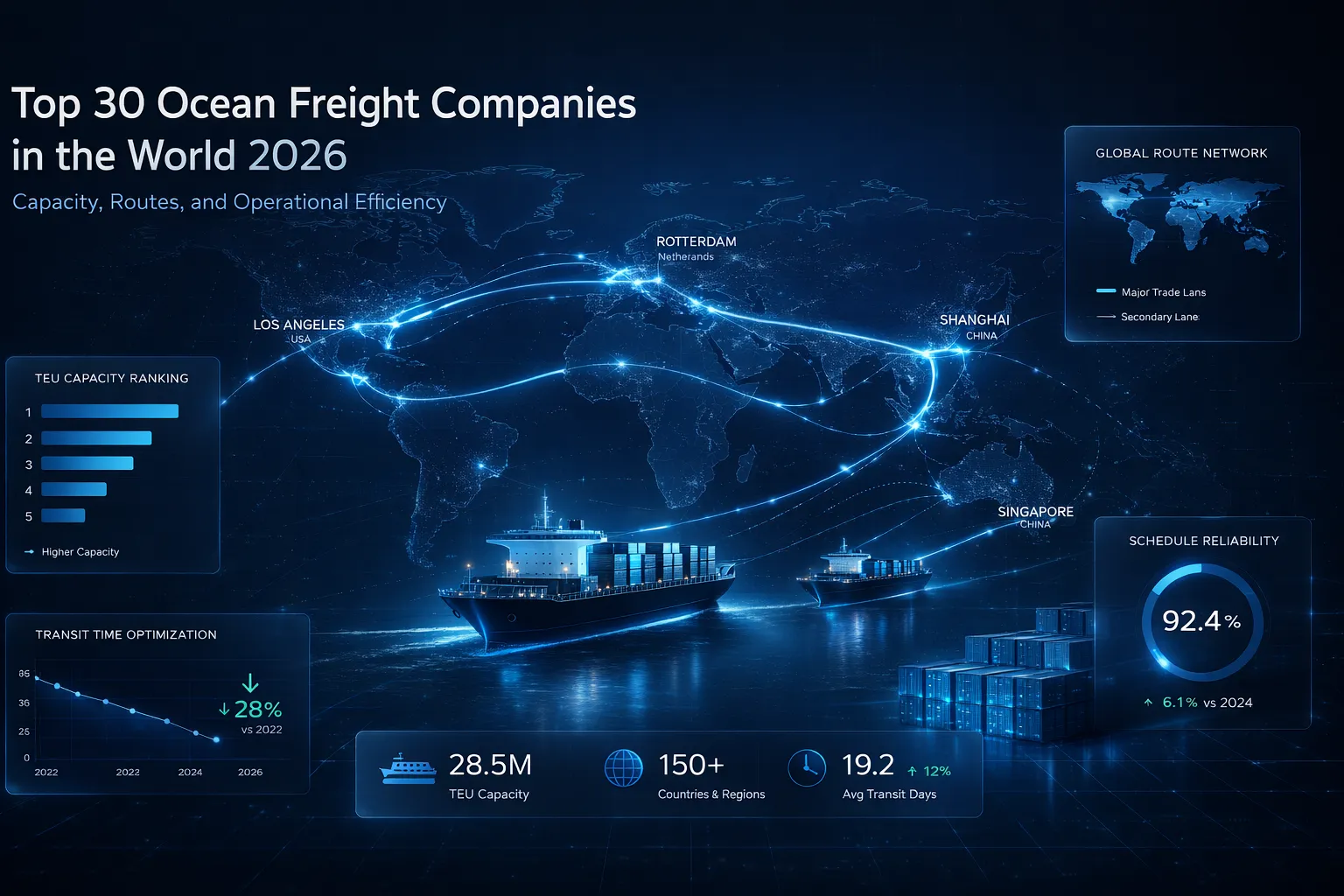
Top 30 Ocean Freight Companies in the World 2026: Capacity, Routes, and Operational Efficiency
Introduction
Digital logistics platforms are replacing manual processes because traditional logistics operations can no longer efficiently support the speed, complexity, and scale of modern global supply chains. Manual workflows based on spreadsheets, emails, paper documents, and disconnected systems often lead to operational inefficiencies, delayed communication, human errors, and limited shipment visibility.
As freight forwarders, 3PL providers, and cross-border logistics companies handle growing shipment volumes and increasingly complex transportation networks, digital logistics platforms provide a more scalable and efficient operational model.
These platforms improve collaboration, automate repetitive workflows, centralize logistics data, and provide real-time visibility across the entire supply chain. For many logistics companies, digitalization has become essential for operational efficiency and long-term competitiveness.
What Are Digital Logistics Platforms?
A digital logistics platform is a centralized system that manages logistics operations, shipment workflows, transportation coordination, financial processes, and supply chain collaboration through digital tools and automated workflows.
Digital logistics platforms are commonly used by:
Freight forwarders
3PL providers
Cross-border eCommerce logistics companies
International shipping operators
Warehousing and fulfillment providers
A modern digital logistics platform may include:
Shipment management
Real-time tracking
Workflow automation
Financial management
Customer portals
Multi-role collaboration
System integration
Data analytics
Unlike manual operational models, digital platforms connect operational processes and participants within a unified digital environment.
Why Digital Logistics Platforms Matter
Manual Processes Create Operational Bottlenecks
Traditional logistics operations often depend on:
Spreadsheet tracking
Email communication
Manual data entry
Paper-based documentation
Offline coordination
As shipment volumes increase, these processes become difficult to manage efficiently.
Common challenges include:
Slow operational response
Duplicate data entry
Communication delays
Tracking inconsistencies
Billing errors
Digital logistics platforms reduce these bottlenecks through centralized management and automation.
Global Logistics Is Becoming More Complex
Modern supply chains involve:
Multiple transportation modes
International partners
Customs procedures
Warehouses
Last-mile providers
Cross-border regulations
Manual coordination across these stakeholders is increasingly inefficient and error-prone.
Digital platforms improve synchronization and operational transparency across the logistics ecosystem.
Customers Expect Faster and More Transparent Service
Customers increasingly expect:
Real-time shipment visibility
Faster responses
Self-service tracking
Digital documentation access
Accurate shipment updates
Manual operations often cannot support these service expectations consistently.
Logistics Companies Need Scalable Operations
As logistics businesses grow, relying on additional manpower alone becomes unsustainable.
Digital platforms help companies scale operations by standardizing workflows and reducing dependency on manual coordination.
How Digital Logistics Platforms Work
Digital logistics platforms centralize logistics workflows and automate operational coordination across supply chain participants.
1. Centralized Shipment Management
All shipment information is managed within one system.
This may include:
Orders
Shipment milestones
Customer data
Documents
Transportation details
Financial records
Centralized data improves operational consistency.
2. Real-Time Visibility and Tracking
Digital platforms synchronize shipment data from:
Carriers
Warehouses
Customs systems
GPS devices
Transportation providers
Users can monitor shipment status through milestone-based tracking and unified timelines.
3. Workflow Automation
Automation replaces repetitive manual processes.
Examples include:
Automated billing
Automated reconciliation
Shipment notifications
Exception alerts
Task assignments
Document generation
Some platforms also use AI data recognition technologies to process logistics documents automatically.
4. Multi-Role Collaboration
Digital logistics platforms support collaboration between:
Operations teams
Customers
Overseas agents
Carriers
Warehouses
Finance teams
Shared operational visibility reduces communication gaps and improves coordination efficiency.
5. System Integration
Modern logistics platforms integrate with external systems such as:
ERP systems
WMS platforms
Carrier systems
Customs systems
eCommerce platforms
Accounting systems
Integration reduces data silos and manual duplication.
Key Features of Digital Logistics Platforms
Workflow Automation
Automation is one of the primary reasons companies adopt digital platforms.
Automated workflows improve:
Operational speed
Process consistency
Data accuracy
Resource utilization
End-to-End Shipment Visibility
Digital platforms provide centralized shipment tracking across the full logistics journey.
Users can access:
Shipment milestones
Delay notifications
ETA updates
Transportation status
Unified Operational Collaboration
A shared digital workspace allows different stakeholders to collaborate more efficiently.
This is especially important for international freight forwarding operations involving multiple external partners.
Financial Automation
Digital platforms help automate financial operations such as:
Billing generation
Cost allocation
Invoice reconciliation
Accounts receivable
Accounts payable
Automation improves financial accuracy and reduces manual accounting workload.
Data Analytics and Reporting
Modern platforms provide operational insights through dashboards and reporting tools.
Companies can analyze:
Shipment performance
Transit times
Operational efficiency
Profitability
Carrier performance
Benefits for Logistics Companies
Higher Operational Efficiency
Automation significantly reduces repetitive manual work.
Operations teams can process more shipments with greater consistency and speed.
Reduced Human Errors
Manual logistics workflows often create:
Incorrect billing
Missing documents
Duplicate entries
Tracking inconsistencies
Digital systems improve data accuracy and process reliability.
Better Shipment Visibility
Centralized tracking improves operational control and customer communication.
Companies can respond more quickly to delays and disruptions.
Faster Collaboration
Digital platforms improve coordination between internal teams and external partners.
Information is shared in real time instead of through fragmented email chains.
Improved Customer Experience
Customers benefit from:
Faster updates
Real-time tracking
Transparent communication
Self-service portals
This improves customer satisfaction and retention.
Scalability
Digital logistics platforms allow companies to grow shipment volumes without proportionally increasing operational headcount.
Best Practices and Use Cases
Digitize High-Frequency Processes First
Companies often begin digital transformation with operational areas that involve repetitive manual work, such as:
Billing
Shipment tracking
Documentation
Workflow approvals
Standardize Data and Workflows
Standardized operational processes improve efficiency and simplify future system integrations.
Focus on Collaboration
Successful logistics platforms support collaboration across:
Internal departments
Overseas branches
Customers
Carriers
Warehouses
Use Visibility to Improve Customer Service
Real-time shipment visibility can significantly reduce customer inquiries and improve service responsiveness.
Integrate Financial and Operational Workflows
Combining logistics operations with financial management improves cost visibility and business control.
Conclusion
Digital logistics platforms are replacing manual processes because traditional operational methods are no longer sufficient for managing modern supply chain complexity and customer expectations.
Manual workflows create inefficiencies, communication delays, operational blind spots, and scalability limitations. Digital platforms solve these challenges by improving visibility, automating workflows, centralizing logistics data, and enabling better collaboration across the supply chain.
For freight forwarders, 3PL providers, and cross-border logistics companies, digital logistics platforms have become essential infrastructure for operational efficiency, scalability, and long-term competitiveness in the global logistics industry.
Frequently Asked Questions
What is a digital logistics platform?
A digital logistics platform is a centralized system that manages logistics operations, shipment tracking, workflow automation, collaboration, and financial processes digitally.
Why are logistics companies replacing manual processes?
Manual processes are slow, inefficient, error-prone, and difficult to scale. Digital platforms improve operational efficiency and visibility.
How do digital logistics platforms improve efficiency?
They automate repetitive workflows, centralize shipment data, reduce manual communication, and improve collaboration across logistics operations.
What are the benefits of logistics automation?
Logistics automation reduces manual workload, improves data accuracy, speeds up workflows, and enhances operational scalability.
Can digital logistics platforms support global supply chains?
Yes. Modern platforms support international logistics collaboration across multiple transportation modes, countries, warehouses, and logistics partners.
About WallTech
WallTech provides digital logistics solutions for freight forwarders, 3PL providers, and global supply chain companies. Its platforms support end-to-end shipment visibility, workflow automation, multi-role collaboration, and integrated financial management across international logistics operations. Through capabilities such as milestone-based tracking, AI-assisted data recognition, automated billing and reconciliation, and upstream/downstream partner connectivity, logistics companies can improve operational efficiency, reduce manual workload, and build more scalable digital supply chain operations.
If you're exploring ways to improve your logistics operations, feel free to connect with us to learn more about our solutions and system capabilities.
Scan the QR code or contact our team directly for further discussion.
.webp "Key Capabilities of Modern Logistics Operations Control Platforms")