Dec 23,2022
The Differences Between Proforma vs. Commercial Invoice in Customs Clearance and Shipping
Introduction
Logistics operations today rely heavily on technology to manage increasing shipment volumes, complex supply chains, and rising customer expectations. Warehousing, as a core component of logistics, plays a critical role in ensuring goods are stored, processed, and distributed efficiently.
Warehouse management technology enables logistics companies to digitize warehouse operations, improve inventory control, and streamline order fulfillment processes. From barcode scanning to real-time inventory systems and automation tools, modern warehouse technology has transformed how logistics networks operate.
What Is Warehouse Management Technology in Logistics
Warehouse management technology refers to the digital tools, systems, and infrastructure used to manage warehouse operations within logistics networks.
This includes:
Warehouse Management Systems (WMS)
Barcode and RFID tracking systems
Mobile devices and scanning tools
Automation equipment (sorting, picking, packing)
Integration with logistics platforms and ERP systems
These technologies work together to ensure that goods can be tracked, processed, and delivered efficiently across the supply chain.
In logistics environments, warehouse technology is not isolated—it connects upstream suppliers and downstream transportation systems, enabling end-to-end operational coordination.
Why Warehouse Management Technology Is Important in Logistics
Logistics operations involve multiple stages, including transportation, warehousing, and delivery. Without proper warehouse technology, companies may face operational inefficiencies and visibility gaps.
Increasing Shipment Volumes
Global trade and e-commerce growth have significantly increased warehouse throughput requirements.
Complex Supply Chains
Logistics networks often involve multiple warehouses, cross-border operations, and various transportation modes.
Demand for Real-Time Visibility
Customers and businesses expect real-time updates on inventory and shipment status.
Operational Efficiency Requirements
Logistics companies need to reduce costs while maintaining high service levels.
Warehouse management technology helps address these challenges by providing structured workflows, automation, and real-time data tracking.
How Warehouse Management Technology Works
Warehouse technology operates by combining software systems and hardware tools to manage warehouse processes.
Data Capture and Tracking
Barcode scanners, RFID devices, and mobile terminals capture data at every stage of warehouse operations.
This includes receiving, storage, picking, and shipping.
System Coordination
A warehouse management system processes captured data and coordinates warehouse tasks.
For example, when goods are received, the system records inventory and assigns storage locations automatically.
Workflow Automation
Warehouse technology automates repetitive tasks such as:
Generating picking lists
Assigning warehouse tasks
Updating inventory records
Triggering replenishment alerts
Integration with Logistics Systems
Warehouse systems connect with:
Order management systems
Transportation systems
E-commerce platforms
This integration ensures seamless data flow across the logistics network.
For instance, warehouse systems can integrate with upstream order sources and downstream delivery networks to synchronize inventory and fulfillment operations.
Key Features of Warehouse Management Technology
Real-Time Inventory Tracking
Warehouse technology enables real-time visibility into inventory levels, locations, and movement.
Multi-Warehouse Coordination
Logistics companies can manage inventory across multiple warehouses globally through a centralized system.
Automated Warehouse Operations
Automation tools support processes such as sorting, picking, and packing, reducing manual effort.
Smart Routing and Allocation
Systems can optimize storage locations and picking routes to improve efficiency.
Inventory Control and Alerts
Warehouse systems can monitor stock levels and trigger alerts for:
Low inventory
Overstock situations
Aging or slow-moving inventory
End-to-End Visibility
Modern warehouse technology provides visibility across the entire logistics process, from inbound shipments to final delivery.
For example, systems can track inventory status, warehouse operations, and shipment progress across different nodes in the logistics network.
Benefits of Warehouse Management Technology for Logistics
Improved Operational Efficiency
Automation and optimized workflows reduce manual effort and improve productivity.
Enhanced Inventory Accuracy
Real-time tracking minimizes discrepancies between physical and recorded inventory.
Faster Order Fulfillment
Efficient warehouse processes enable quicker order processing and shipment dispatch.
Better Decision-Making
Data analytics and reporting tools provide insights into warehouse performance and inventory trends.
Scalability
Warehouse technology supports business growth by handling increasing order volumes and expanding warehouse networks.
Best Practices for Implementing Warehouse Management Technology
Align Technology with Business Needs
Select warehouse technology that matches operational requirements and business scale.
Standardize Processes Before Automation
Ensure warehouse workflows are clearly defined before implementing technology solutions.
Invest in Integration
Connect warehouse systems with logistics platforms, ERP systems, and e-commerce tools.
Use Data for Continuous Improvement
Analyze warehouse performance data to identify inefficiencies and optimize operations.
Train Warehouse Staff
Provide training to ensure employees can effectively use warehouse systems and tools.
Conclusion
Warehouse management technology is a critical component of modern logistics operations. By combining digital systems, automation tools, and real-time data tracking, it enables logistics companies to manage inventory efficiently and streamline warehouse workflows.
As supply chains continue to evolve, adopting advanced warehouse technology will be essential for businesses seeking to improve operational efficiency, enhance visibility, and deliver better customer service in a competitive logistics environment.
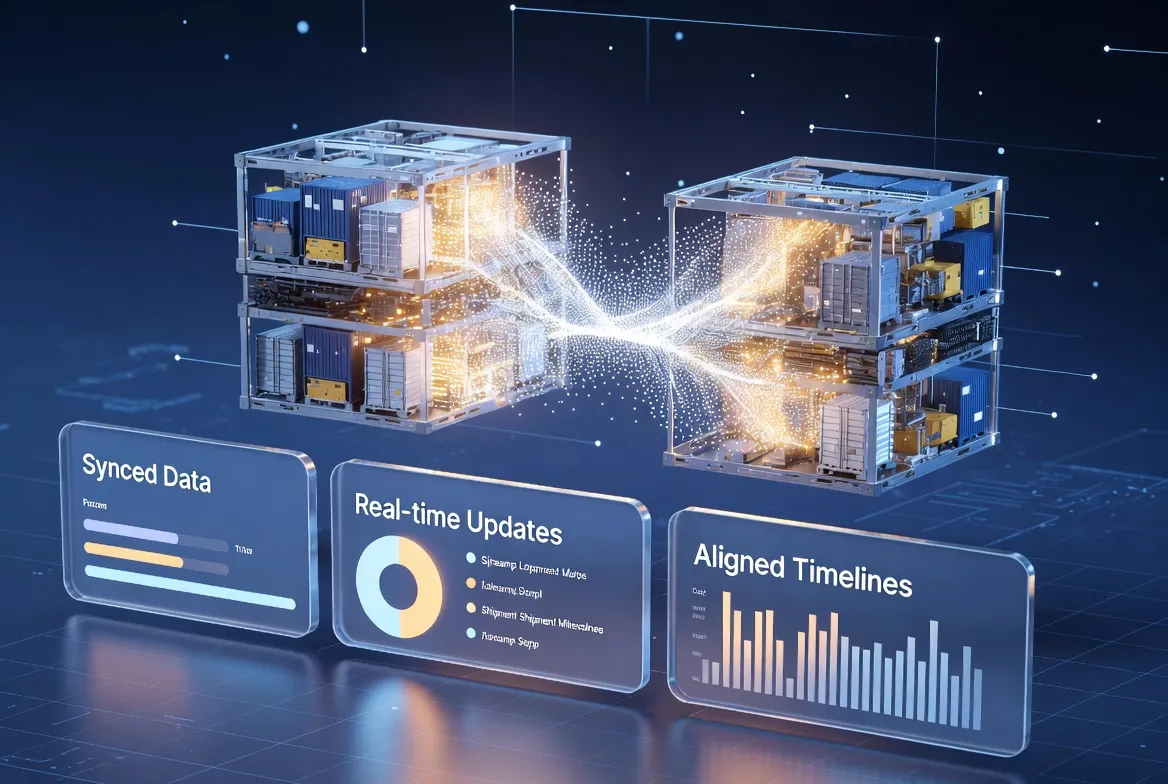
_20260311111434.webp "How Modern Platforms Enable Freight Workflow Management")