.webp "Why Companies Use Logistics Partner Network Systems")
Mar 13,2026
Why Companies Use Logistics Partner Network Systems
A multimodal transport management system is a digital platform designed to manage shipments that involve two or more modes of transportation, such as sea, air, rail, and road, within a single coordinated workflow. It connects multiple transport segments into one unified shipment record, ensuring seamless execution, tracking, and financial control.
Why Is Multimodal Transport Complex?
Multimodal transport involves:
Different carriers
Multiple transport modes
Separate transit segments
Cross-border regulations
Various cost components
Distinct documentation requirements
Each segment may have its own schedule, tracking format, and pricing structure. Without a structured system, managing these interconnected movements can lead to data fragmentation and operational delays.
A multimodal transport management system consolidates all segments under one coordinated process.
Core Functions of a Multimodal Transport Management System
Multi-Segment Shipment Coordination
Create and manage shipments that include combinations such as:
Sea + rail
Air + trucking
Sea + inland road
Rail + road
Express + air
Each transport segment is linked to one master shipment record.
Unified Tracking & Visibility
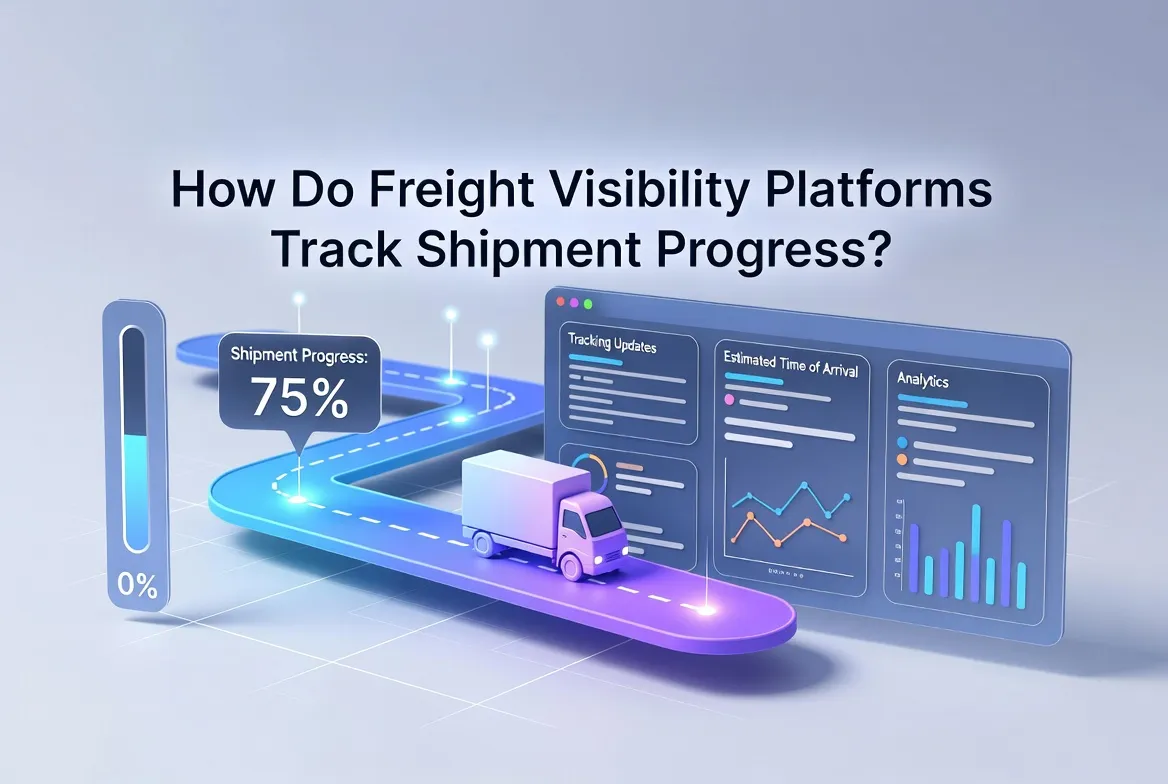
Provide real-time tracking across all transport segments. Milestones from different carriers are displayed within a single timeline, giving full lifecycle visibility.
Route & Carrier Management
Manage:
Carrier allocation
Route configuration
Transfer points
Transit schedules
Mode switching points
This supports optimized route planning and execution.
Cost & Rate Integration
Calculate and manage costs for:
Each transport segment
Mode-specific surcharges
Handling fees
Transfer costs
All costs are consolidated for accurate shipment-level profitability analysis.
Documentation Management
Maintain and connect documents required for each segment, including:
Bills of lading
Air waybills
Rail documents
Customs paperwork
Documentation is centralized within the shipment lifecycle.
Financial Settlement
Integrate operational data with billing and payment processes, supporting:
Accounts receivable
Accounts payable
Multi-currency settlement
Segment-level cost allocation
This ensures accurate financial reconciliation.
How Is It Different from a Standard Transport System?
A standard transport management system may focus on a single mode of transportation.
A multimodal transport management system:
Coordinates multiple modes within one workflow
Synchronizes segment-level tracking
Consolidates cost structures across transport types
Provides unified shipment visibility
Supports complex cross-border logistics chains
It is designed for integrated, multi-mode logistics networks.
Who Uses a Multimodal Transport Management System?
Typical users include:
International freight forwarders
Multimodal transport operators
3PL and 4PL providers
Cross-border logistics integrators
Companies managing global supply chains
Organizations operating complex international routes benefit most from multimodal coordination systems.
Business Benefits
Implementing a multimodal transport management system can:
Improve coordination between transport segments
Reduce operational errors during handovers
Increase visibility across the full transport chain
Enhance cost transparency
Improve delivery reliability
Support scalable global operations
It transforms fragmented transport movements into a structured, integrated logistics workflow.
Conclusion
A multimodal transport management system is a digital platform that connects multiple transport modes within a single shipment lifecycle. By unifying execution, tracking, documentation, and financial management, it enables efficient coordination of complex international transport operations.
.webp "How Digital Systems Improve Shipment Margin Analysis")