Jul 19,2022
What are Parcel Logistics Trends of 2022?
Introduction
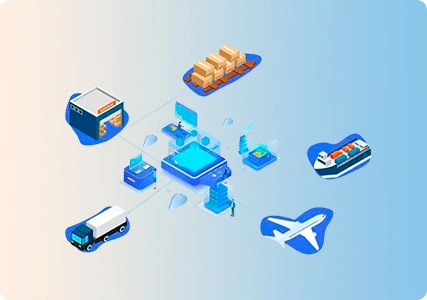
Cross-border logistics platforms for international supply chains are digital systems that connect, manage, and optimize the flow of goods, data, and processes across global supply chain networks. These platforms enable companies to coordinate suppliers, logistics providers, warehouses, and distribution channels across multiple countries by providing real-time visibility, workflow automation, and integrated collaboration.
In today’s globalized economy, supply chains span multiple regions and involve numerous stakeholders. Without a unified system, companies often struggle with fragmented data, poor visibility, and inefficient coordination. Cross-border logistics platforms address these challenges by acting as the digital backbone of international supply chains.
What is Cross-Border Logistics Platforms for International Supply Chains
A cross-border logistics platform for international supply chains is a centralized system that integrates logistics operations with broader supply chain activities, including procurement, transportation, warehousing, and distribution across different countries.
It typically covers:
Order and shipment management
Supplier and partner coordination
Multi-country inventory visibility
Transportation and routing management
Financial and settlement processes
These platforms go beyond shipment execution by enabling end-to-end supply chain synchronization, ensuring that goods, information, and financial flows are aligned globally.
Why Cross-Border Logistics Platforms Matter
International supply chains face several key challenges:
Disconnected systems: Different regions use separate tools, creating data silos
Limited visibility: Companies lack real-time insights into inventory and shipments
Manual coordination: Heavy reliance on emails and spreadsheets
Inefficient collaboration: Poor communication between suppliers, logistics providers, and customers
Complex compliance requirements: Different regulations across countries
These challenges lead to delays, increased costs, and operational inefficiencies.
Cross-border logistics platforms are essential because they:
Provide a unified view of global supply chain operations
Enable real-time coordination across all stakeholders
Reduce manual processes and improve efficiency
Support scalable international expansion
Improve supply chain resilience and responsiveness
How Cross-Border Logistics Platforms Work
These platforms integrate supply chain operations through data synchronization and workflow management.
1. Centralized Data Integration
All supply chain data—orders, shipments, inventory, and financials—is captured in one system. Integration with ERP, WMS, and other platforms ensures seamless data flow.
2. End-to-End Workflow Management
The platform manages the entire supply chain lifecycle:
Order placement
Supplier coordination
Production and fulfillment
Transportation and delivery
Returns and reverse logistics
Each stage is connected within a unified workflow.
3. Real-Time Visibility Across Supply Chain
The system provides:
Shipment tracking across all transport stages
Inventory visibility across multiple warehouses
Status updates for each supply chain milestone
This creates a transparent, end-to-end view of operations.
4. Multi-Role and Multi-Partner Collaboration
Different stakeholders collaborate within the same platform:
Suppliers update order status
Logistics providers manage transportation
Warehouses handle inventory operations
Finance teams manage billing and reconciliation
This eliminates communication gaps and improves coordination.
5. Automation and Intelligence
Automation enhances efficiency through:
AI-based document recognition for faster data entry
Workflow automation for task assignment
Automated billing and financial reconciliation
Exception alerts for delays or disruptions
6. Multi-System and Multi-Region Integration
The platform connects with:
ERP systems for order and financial data
WMS systems for inventory management
Carrier systems for shipment tracking
Customs systems for compliance
This ensures smooth operation across regions.
Key Features / Key Capabilities
1. End-to-End Supply Chain Visibility
Real-time tracking of shipments and inventory
Unified timeline across supply chain stages
Multi-source data integration
2. Multi-Role Collaboration
Coordination between suppliers, logistics providers, and internal teams
Role-based access control
Shared data and workflows
3. Workflow Automation
SOP-driven process management
AI-powered data extraction (OCR)
Automated billing and reconciliation
Event-triggered notifications
4. Inventory and Warehouse Integration
Real-time inventory tracking across multiple locations
Integration with warehouse systems
Automated stock alerts and updates
For example, platforms can provide global inventory visibility and multi-warehouse management through system integration .
5. Multi-Modal Transportation Management
Coordination of ocean, air, rail, and trucking
Seamless tracking across transport segments
6. Financial Integration
Real-time cost tracking
Profit analysis per order or shipment
Automated invoicing
Benefits for Logistics Companies
1. Enhanced Supply Chain Visibility
Companies gain full visibility into shipments, inventory, and operations across regions.
2. Improved Coordination
All stakeholders operate within a unified system, reducing communication gaps.
3. Increased Operational Efficiency
Automation reduces manual tasks and accelerates workflows.
4. Better Inventory Management
Real-time inventory data enables better planning and replenishment.
5. Reduced Costs
Improved coordination and automation help minimize operational inefficiencies.
6. Stronger Supply Chain Resilience
Real-time data and alerts allow companies to respond quickly to disruptions.
Best Practices / Use Cases
1. Global Supply Chain Management for Freight Forwarders
Use platforms to manage shipments and supplier coordination across multiple countries.
2. Cross-Border eCommerce Fulfillment
Integrate order management, warehousing, and delivery for seamless operations.
3. Multi-Warehouse Inventory Management
Manage inventory across different regions with real-time visibility.
4. Supplier and Partner Collaboration
Enable suppliers and logistics providers to update data directly within the system.
5. Handling Supply Chain Disruptions
Use real-time alerts and visibility to mitigate risks and delays.
Conclusion
Cross-border logistics platforms for international supply chains play a critical role in enabling efficient, transparent, and scalable global operations. By integrating data, workflows, and stakeholders into a unified system, these platforms provide the visibility and coordination needed to manage complex supply chains effectively.
As supply chains become increasingly global and interconnected, adopting such platforms is essential for maintaining competitiveness and operational excellence.
Frequently Asked Questions
1. What is a cross-border logistics platform for supply chains?
It is a digital system that integrates logistics and supply chain operations across multiple countries, enabling real-time visibility and coordination.
2. How do these platforms support international supply chains?
They connect data, workflows, and stakeholders, allowing seamless coordination and tracking across all stages of the supply chain.
3. Why are they important for global logistics?
They reduce inefficiencies caused by fragmented systems and improve visibility, collaboration, and operational control.
4. What are the key benefits?
Benefits include improved efficiency, better inventory management, enhanced visibility, and stronger collaboration.
5. Who uses these platforms?
Freight forwarders, 3PL providers, and cross-border eCommerce logistics companies managing global supply chains.
About WallTech
WallTech provides digital logistics solutions that support international supply chains through integrated platforms designed for collaboration, visibility, and automation. By connecting suppliers, logistics providers, warehouses, and financial processes into a unified system, WallTech enables real-time coordination and end-to-end operational control. Its solutions incorporate technologies such as AI-driven data recognition, workflow automation, and milestone-based tracking to help logistics companies improve efficiency, reduce manual processes, and scale their global supply chain operations effectively.
If you're exploring ways to improve your logistics operations, feel free to connect with us to learn more about our solutions and system capabilities.