Feb 17,2023
Saas Basis Transportation Management System
Introduction
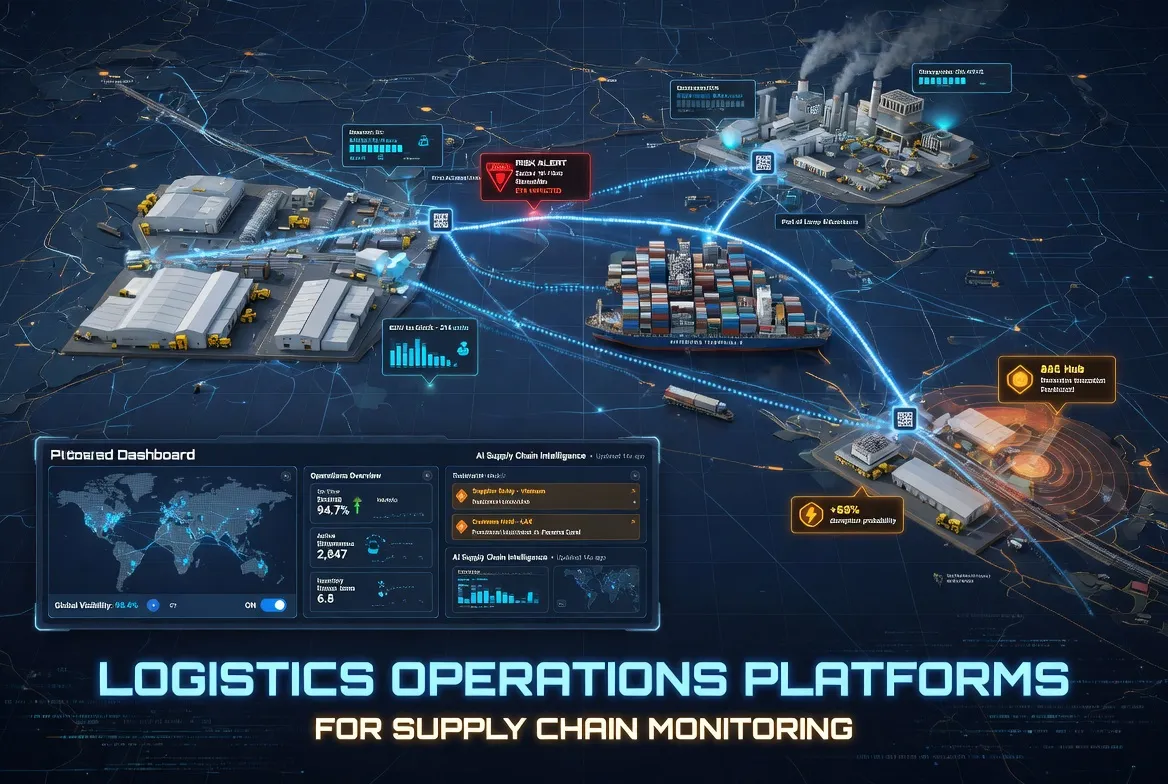
Alert systems in logistics platforms work by continuously monitoring shipment data, comparing real-time events against predefined rules or milestones, and automatically notifying relevant stakeholders when exceptions or risks occur. These systems are essential for enabling proactive logistics management, ensuring that delays, disruptions, and operational issues are identified and addressed as early as possible.
In today’s logistics environment—where freight forwarders, 3PLs, and cross-border eCommerce operators manage high volumes of shipments across multiple partners—manual monitoring is no longer sufficient. Alert systems provide the automation and visibility needed to maintain control over complex operations.
What is an Alert System in Logistics
An alert system in logistics is a digital mechanism that detects abnormal events or deviations in shipment operations and triggers notifications to relevant users.
Alerts are typically generated when:
A shipment milestone is delayed or missed
Data inconsistencies or errors are detected
External disruptions impact shipment progress
Financial or documentation anomalies occur
These alerts can be configured based on specific business rules, thresholds, or service level agreements (SLAs).
Unlike manual tracking, alert systems operate continuously and automatically, ensuring that issues are identified in real time without requiring constant human oversight.
Why Alert Systems Matter
1. Enables Proactive Operations
Without alert systems, logistics teams often react only after problems become visible. Alerts enable early detection and proactive response.
2. Reduces Manual Monitoring
Tracking hundreds or thousands of shipments manually is inefficient. Alert systems focus attention only on shipments that require action.
3. Improves Response Speed
Real-time notifications ensure that issues are addressed immediately, reducing delays and operational disruptions.
4. Enhances Collaboration
Alerts are distributed to relevant roles, enabling coordinated responses across departments and partners.
5. Improves Customer Satisfaction
Proactive communication based on alerts helps maintain transparency and trust with customers.
How Alert Systems Work
Modern logistics alert systems are built on data integration, rule engines, and automation workflows.
1. Data Collection and Integration
The system gathers data from multiple sources:
Carrier tracking systems
Warehouse operations
Customs platforms
Internal logistics systems
This ensures a complete and real-time view of shipment status.
2. Milestone and Rule Configuration
Logistics teams define:
Shipment milestones (e.g., pickup, departure, arrival, delivery)
Alert rules (e.g., delay thresholds, missing events, data mismatches)
These rules determine when alerts should be triggered.
3. Continuous Monitoring
The platform continuously tracks shipment progress and compares:
Planned timelines
Actual execution data
4. Triggering Alerts
When predefined conditions are met, the system automatically generates alerts.
Examples include:
A shipment not departing on schedule
Customs clearance exceeding expected time
Missing or incorrect documentation
Unexpected route deviations
5. Notification Delivery
Alerts are sent to relevant stakeholders via:
System dashboards
Email or messaging notifications
Customer portals
Notifications can be prioritized based on severity.
6. Workflow Integration
Alert systems are often integrated with workflow automation:
Tasks are assigned to responsible roles
Escalation processes are triggered if issues persist
Updates are tracked within the system
This ensures that alerts lead to actionable outcomes, not just notifications.
Key Features of Logistics Alert Systems
Effective alert systems typically include the following capabilities:
Real-time monitoring
Continuous tracking of shipment status across all transport modesMilestone-based alerts
Notifications triggered by deviations from predefined shipment stagesCustomizable alert rules
Flexible configuration based on business needs and SLAsMulti-role notification
Alerts sent to relevant teams, including operations, customer service, and managementWorkflow automation
Automatic task creation and escalation for issue resolutionUnified visibility dashboards
Centralized view of all active alerts and exceptionsAI-driven data recognition
Automated extraction and validation of shipment data from documentsFinancial and compliance alerts
Detection of billing discrepancies or regulatory risks
These features enable logistics companies to manage operations more efficiently and respond to issues with precision.
Benefits for Logistics Companies
Faster Issue Detection
Automated alerts ensure that problems are identified immediately.
Improved Operational Efficiency
Teams focus on resolving critical issues instead of manually monitoring all shipments.
Enhanced Collaboration
Alerts facilitate coordination across departments and external partners.
Better Customer Experience
Proactive updates improve transparency and customer satisfaction.
Reduced Risk
Early detection minimizes the impact of delays, errors, and disruptions.
Best Practices / Use Cases
Define Clear Alert Rules
Establish thresholds and conditions that accurately reflect operational priorities.
Avoid Alert Overload
Configure alerts carefully to ensure relevance and prevent unnecessary notifications.
Integrate Alerts with Workflows
Ensure that alerts trigger actionable processes, not just notifications.
Enable End-to-End Visibility
Integrate all data sources to ensure comprehensive monitoring.
Continuously Optimize Rules
Refine alert configurations based on operational data and feedback.
Common use cases include:
Monitoring shipment delays in international freight
Detecting customs clearance issues
Managing last-mile delivery disruptions
Identifying documentation errors in cross-border logistics
Conclusion
Alert systems are a critical component of modern logistics platforms. They enable real-time monitoring, proactive issue detection, and coordinated response across complex supply chains.
By combining visibility, automation, and collaboration, alert systems help logistics companies move from reactive operations to proactive management—improving efficiency, reducing risks, and enhancing customer satisfaction.
Frequently Asked Questions
What is an alert system in logistics?
An alert system in logistics is a tool that detects deviations or issues in shipment operations and notifies relevant stakeholders in real time.
How do logistics alert systems work?
They monitor shipment data, compare it with predefined rules or milestones, and trigger notifications when conditions such as delays or errors occur.
Why are alert systems important in logistics?
They enable proactive issue detection, improve response speed, reduce manual monitoring, and enhance operational efficiency.
What types of alerts are used in logistics?
Common alerts include delay alerts, milestone deviations, documentation errors, customs issues, and financial discrepancies.
What are the benefits of using alert systems?
Benefits include faster issue resolution, improved visibility, better collaboration, and reduced operational risks.
About WallTech
WallTech provides digital logistics solutions that help freight forwarders, 3PLs, and cross-border logistics providers manage complex operations with greater visibility and control. Its platforms support end-to-end collaboration across multiple roles and partners, offering real-time shipment visibility through milestone-based tracking and unified timelines. By integrating workflow automation, AI-driven data recognition, and financial automation such as billing and reconciliation, WallTech enables logistics companies to respond to alerts more efficiently and optimize their operations at scale.
If you're exploring ways to improve your logistics operations, feel free to connect with us to learn more about our solutions and system capabilities.