May 26,2023
Logistics 4.0 Digital Transformation of Supply Chain Management
Introduction
Freight forwarding software for managing international logistics networks is a digital platform designed to help logistics companies coordinate global shipment operations, partner collaboration, transportation workflows, and operational visibility across multiple countries and supply chain participants. It enables freight forwarders, 3PL providers, and cross-border logistics companies to centralize international operations within a unified digital system.
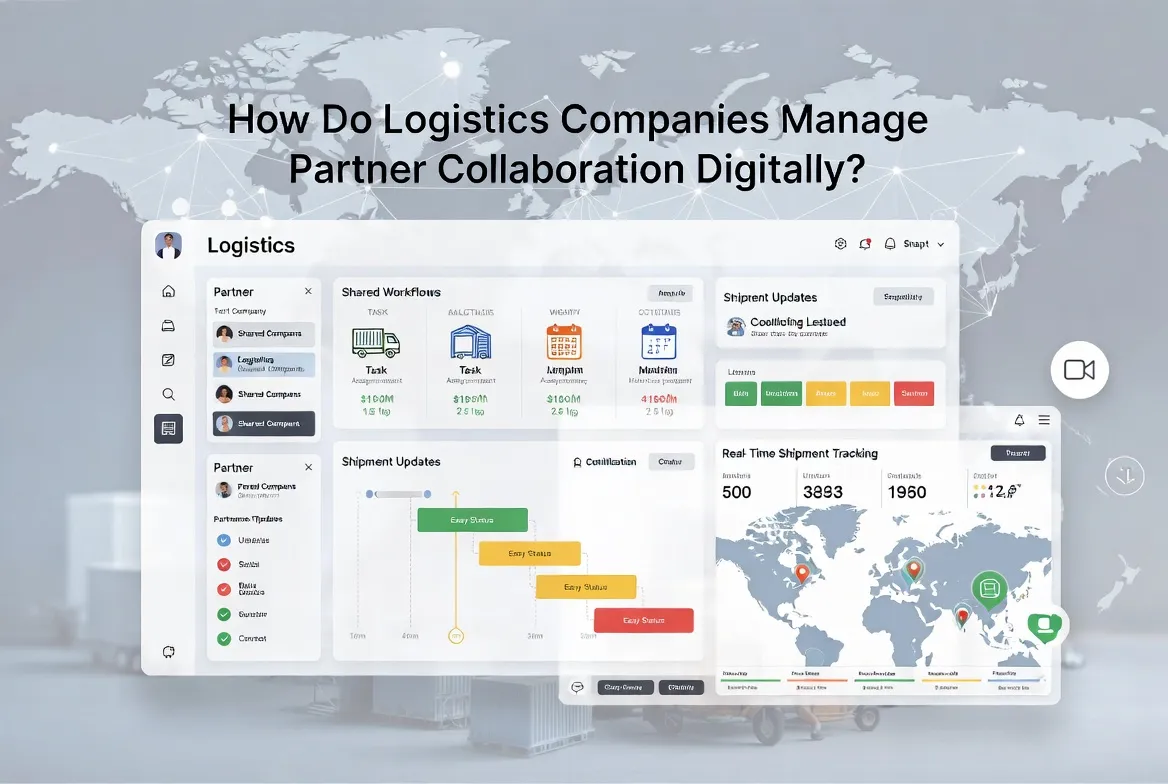
International logistics networks involve complex collaboration between overseas agents, carriers, warehouses, customs brokers, suppliers, and customers. Managing these interconnected operations manually often creates communication gaps, inconsistent workflows, operational delays, and limited shipment transparency.
Freight forwarding software helps solve these challenges by integrating shipment management, milestone tracking, workflow automation, and financial coordination into one centralized operational environment. Through improved visibility and digital collaboration, logistics companies can manage international logistics networks more efficiently and at greater scale.
As global supply chains continue to expand, managing international logistics networks digitally has become increasingly important for logistics organizations seeking operational efficiency and long-term scalability.
What is an International Logistics Network
An international logistics network refers to the interconnected ecosystem of logistics providers, transportation partners, warehouses, customs agencies, and operational teams involved in moving cargo across international supply chains.
These networks may include:
Freight forwarders
Overseas branch offices
Overseas agents
Ocean carriers
Airlines
Trucking companies
Rail operators
Warehouses
Customs brokers
Last-mile delivery providers
International logistics networks are responsible for coordinating:
Cargo movement
Transportation planning
Customs processing
Shipment tracking
Operational communication
Financial settlement
Because global logistics operations involve multiple transportation stages and countries, coordination complexity increases significantly.
Freight forwarding software helps manage these logistics ecosystems through centralized digital workflows and shared operational visibility.
Why Managing International Logistics Networks Matters
Global logistics operations have become more interconnected and data-intensive than ever before.
Several industry trends are driving this complexity:
Cross-border eCommerce growth
Global sourcing diversification
Faster delivery expectations
Increased shipment volumes
Multi-country fulfillment operations
Higher customer visibility requirements
Without centralized systems, international logistics networks often experience:
Fragmented communication
Inconsistent shipment updates
Operational inefficiencies
Delayed issue resolution
Limited end-to-end visibility
Duplicate data entry
Disconnected financial workflows
Managing logistics networks through emails, spreadsheets, and disconnected platforms creates operational silos that reduce efficiency.
For logistics companies, effective network management is critical for:
Maintaining operational consistency
Improving shipment visibility
Reducing communication delays
Enhancing customer service
Scaling international operations
Managing operational risks
Freight forwarding software helps organizations build more connected and transparent logistics ecosystems.
How Freight Forwarding Software Supports International Logistics Networks
Freight forwarding software centralizes operational workflows and shipment data across international logistics participants.
Centralized Shipment Management
The software creates a unified shipment record accessible across operational stakeholders.
Shipment information may include:
Cargo details
Transportation routes
Carrier assignments
Customs status
Warehouse operations
Delivery updates
Financial information
This centralized data structure improves operational consistency across international logistics networks.
Multi-Role Operational Collaboration
International logistics operations involve extensive coordination across multiple organizations and teams.
Freight forwarding software supports collaboration between:
Local offices
Overseas branches
Overseas agents
Carriers
Warehouses
Customs brokers
Customers
Finance departments
Multi-role coordination helps synchronize operational workflows globally.
Some systems also support role-based access management for different logistics participants.
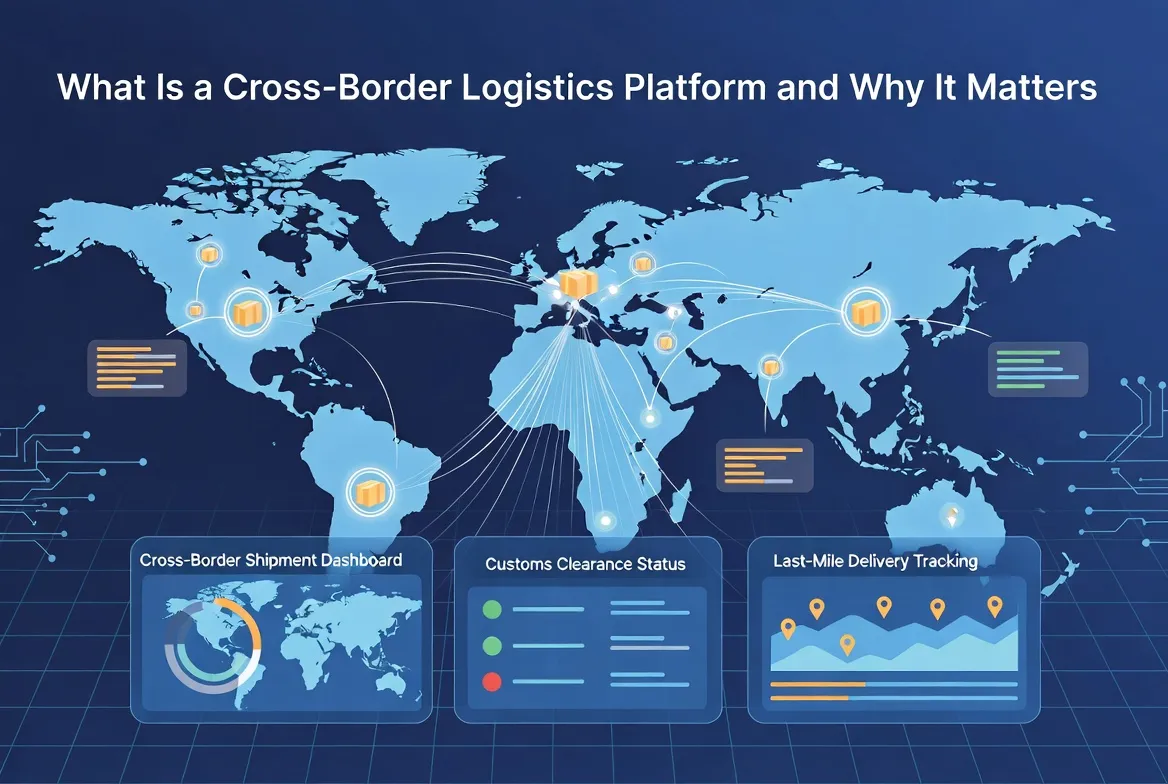
Milestone-Based Visibility
International shipments move through many operational stages.
The software tracks milestones such as:
Cargo pickup
Export customs clearance
Port arrival
Vessel departure
Air departure
Import customs clearance
Warehouse receiving
Final delivery
Milestone-based tracking creates a unified timeline across the international logistics network.
This improves visibility for operations teams, customers, and logistics partners.
Workflow Automation
Managing large logistics networks manually can be highly resource-intensive.
Freight forwarding software automates processes such as:
Shipment updates
Operational notifications
Workflow approvals
Billing generation
Reconciliation tasks
Exception alerts
Some advanced platforms also support AI-powered document recognition for operational data extraction.
Automation improves operational efficiency across global logistics ecosystems.
Financial Synchronization
International logistics operations involve complex financial coordination across regions and currencies.
The software helps manage:
Accounts receivable
Accounts payable
Multi-currency settlement
Cost allocation
Profit analysis
Automated reconciliation
Integrated financial workflows improve accounting visibility across logistics networks.
Key Features for Managing International Logistics Networks
End-to-End Shipment Visibility
Visibility is essential for managing distributed logistics operations.
Modern systems provide:
Real-time shipment tracking
Unified shipment timelines
Milestone monitoring
ETA management
Exception notifications
Visibility helps logistics companies maintain operational control across global supply chains.
Overseas Agent Coordination
International logistics networks frequently depend on overseas agent partnerships.
The software supports:
Shared shipment updates
Operational synchronization
Document sharing
Collaborative workflows
Real-time communication visibility
This reduces dependency on fragmented email communication.
Cross-Regional Collaboration
Freight forwarding software helps synchronize workflows between different regions and operational teams.
Capabilities may include:
Multi-language support
Multi-office management
Role-based permissions
Shared operational dashboards
Unified workflow management
These features improve global operational consistency.
Centralized Documentation Management
International logistics generates large document volumes.
The software can manage:
Bills of lading
Air waybills
Commercial invoices
Customs declarations
Delivery documents
Shipment instructions
Digital document management improves operational traceability and accessibility.
Exception and Risk Management
Global logistics operations are highly vulnerable to delays and disruptions.
The software helps monitor:
Shipment delays
Customs risks
Missed milestones
SLA exceptions
Delivery disruptions
Automated alerts improve operational responsiveness.
Financial and Profit Management
Integrated financial management helps companies analyze operational profitability across international logistics networks.
Capabilities often include:
Revenue management
Cost tracking
Shipment profitability analysis
Multi-currency billing
Automated reconciliation
Benefits for Logistics Companies
Improved Global Collaboration
Centralized systems improve coordination between overseas offices, logistics partners, and operational teams.
Better Operational Visibility
Real-time shipment tracking improves transparency across the logistics network.
Higher Operational Efficiency
Workflow automation reduces repetitive manual processes and communication delays.
Stronger Customer Experience
Customers benefit from more transparent shipment updates and faster operational responses.
Improved Financial Control
Integrated financial management improves cost visibility and operational profitability tracking.
Enhanced Scalability
Freight forwarding software helps logistics companies scale international operations more efficiently.
Best Practices and Use Cases
Centralize International Operations
Managing logistics operations within one platform improves consistency and operational control.
Standardize Global SOPs
Logistics companies should establish consistent workflows across international offices and logistics partners.
Use Visibility Proactively
Operations teams should monitor milestone delays and shipment risks using automated visibility tools.
Integrate Upstream and Downstream Partners
Connecting customers, overseas agents, carriers, and warehouses within one platform improves operational collaboration.
Automate Repetitive Workflows
Automation is especially valuable for:
Shipment updates
Financial workflows
Document processing
Partner notifications
Exception management
Support Cross-Border eCommerce Networks
Cross-border eCommerce logistics providers rely heavily on international logistics networks for fulfillment and delivery coordination.
Freight forwarding software helps centralize these distributed operations.
Conclusion
Freight forwarding software has become a critical operational infrastructure for managing international logistics networks. By centralizing shipment workflows, improving visibility, automating processes, and strengthening collaboration, the software helps logistics companies operate more efficiently across global supply chains.
As international logistics ecosystems become increasingly interconnected, companies require digital platforms capable of supporting real-time coordination between global logistics participants.
Modern freight forwarding software provides the operational foundation needed to improve transparency, scalability, and operational control across international logistics networks.
Frequently Asked Questions
What is an international logistics network?
An international logistics network is a connected ecosystem of freight forwarders, carriers, warehouses, customs brokers, and logistics partners involved in global cargo movement.
How does freight forwarding software support international logistics networks?
The software centralizes shipment management, operational collaboration, visibility tracking, workflow automation, and financial coordination across global logistics participants.
Why is visibility important in international logistics?
Visibility helps logistics companies monitor shipment progress, manage operational risks, improve customer communication, and maintain supply chain transparency.
What are the benefits of freight forwarding software for global logistics networks?
Benefits include improved collaboration, operational efficiency, shipment transparency, automation, financial accuracy, and scalability.
Who uses freight forwarding software for international logistics management?
Freight forwarders, 3PL providers, cross-border eCommerce logistics companies, overseas agents, and international supply chain operators commonly use these systems.
About WallTech
WallTech provides digital logistics solutions designed to help freight forwarders and logistics providers manage international logistics networks more efficiently. Its systems support end-to-end shipment visibility, milestone-based tracking, workflow automation, multi-role collaboration, and integrated financial management across global supply chain operations. By connecting overseas agents, customers, warehouses, and transportation partners within unified operational environments, WallTech helps logistics companies improve operational transparency, coordination efficiency, and scalability across international logistics ecosystems.
If you're exploring ways to improve your logistics operations, feel free to connect with us to learn more about our solutions and system capabilities.
Scan the QR code or contact our team directly for further discussion.
.webp "Key Features of Shipment Tracking and Monitoring Systems")