Jan 10,2024
New Forecast for World Freight Logistics: Ocean Freight Rates in 2024 - 2
Introduction
Freight operations today rely on more than physical transportation networks. Behind every shipment lies a digital layer that connects systems, synchronizes data, and coordinates workflows across global supply chains.
This digital layer is known as digital freight infrastructure. Modern logistics platforms play a central role in enabling this infrastructure, transforming fragmented operations into connected, scalable, and data-driven environments.
What Is Digital Freight Infrastructure?
Digital freight infrastructure refers to the underlying digital systems, integrations, and data frameworks that support the planning, execution, and monitoring of freight operations.
It includes:
Logistics management platforms
Carrier and tracking integrations
API and data exchange systems
Workflow automation engines
Visibility and analytics tools
Together, these components create a digital backbone that supports the entire freight lifecycle.
Why Digital Freight Infrastructure Matters
1. Connecting Global Operations
Freight movements span multiple regions, carriers, and service providers. Without digital infrastructure, coordinating these elements becomes inefficient and error-prone.
Digital infrastructure connects all participants within a unified system, enabling seamless communication and coordination.
2. Enabling Real-Time Visibility
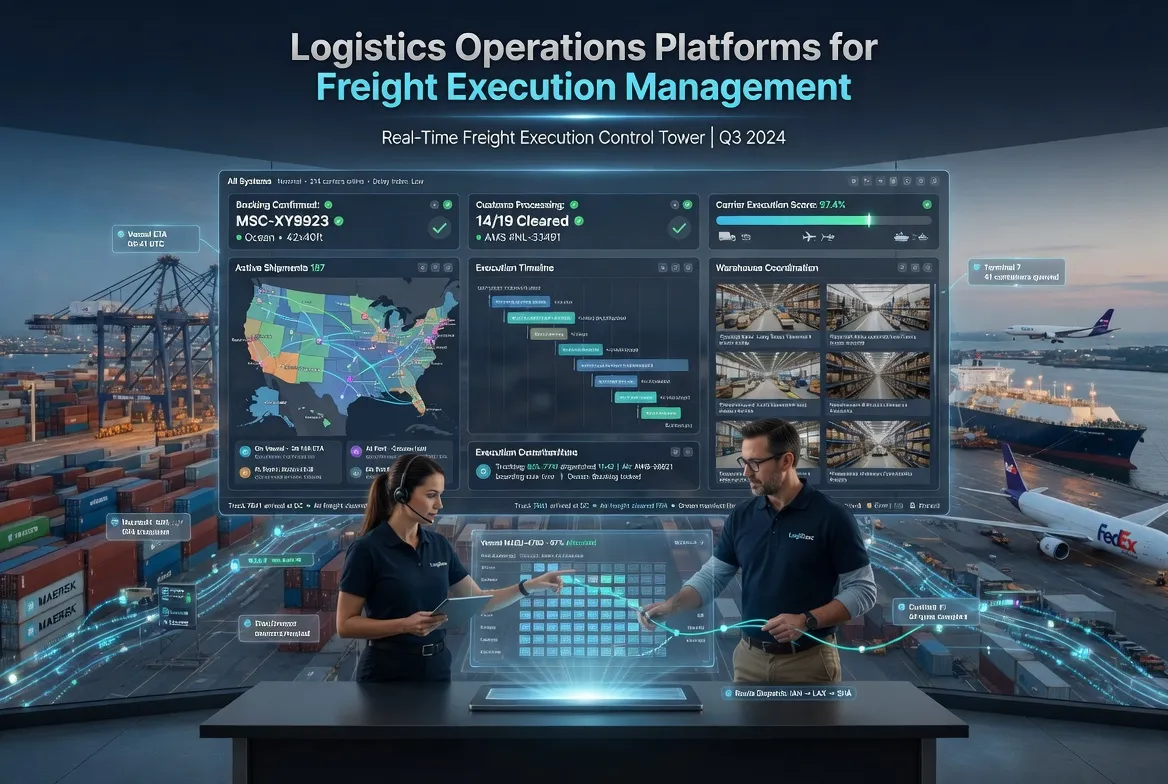
Visibility is critical for managing modern freight operations. Digital infrastructure ensures that tracking data is captured and synchronized across systems, providing real-time insights into shipment status.
For example, tracking events from different transportation segments can be aggregated into a single timeline, offering a complete view of shipment progress.
3. Supporting Operational Scalability
As shipment volumes increase, manual processes cannot keep up. Digital infrastructure enables automation and standardized workflows, allowing companies to scale operations efficiently.
4. Improving Decision-Making
With centralized and structured data, companies can analyze performance, identify inefficiencies, and make informed decisions.
How Modern Platforms Enable Digital Freight Infrastructure
1. Serving as a Central Operational Hub
Modern logistics platforms act as the core system that connects all elements of freight operations.
They centralize:
Shipment data
Operational workflows
Communication between stakeholders
This eliminates the need for multiple disconnected tools and provides a single source of truth.
2. Integrating Multiple Systems and Data Sources
Digital freight infrastructure relies on seamless integration.
Modern platforms connect with:
ERP and financial systems
Warehouse management systems
Carrier and tracking platforms
eCommerce and order management systems
Through APIs and EDI, data flows automatically between systems, ensuring consistency and reducing manual input.
3. Enabling End-to-End Visibility
Platforms enable comprehensive visibility by:
Aggregating tracking data from multiple carriers
Synchronizing events across different transport modes
Presenting shipment progress in a unified interface
This allows operators and customers to monitor shipments from origin to final delivery without switching between systems.
4. Automating Freight Workflows
Automation is a key component of digital freight infrastructure.
Modern platforms support:
Configurable workflows based on shipment milestones
Automated task execution at each stage
Notification and alert mechanisms
This ensures that operations follow standardized processes and reduces reliance on manual coordination.
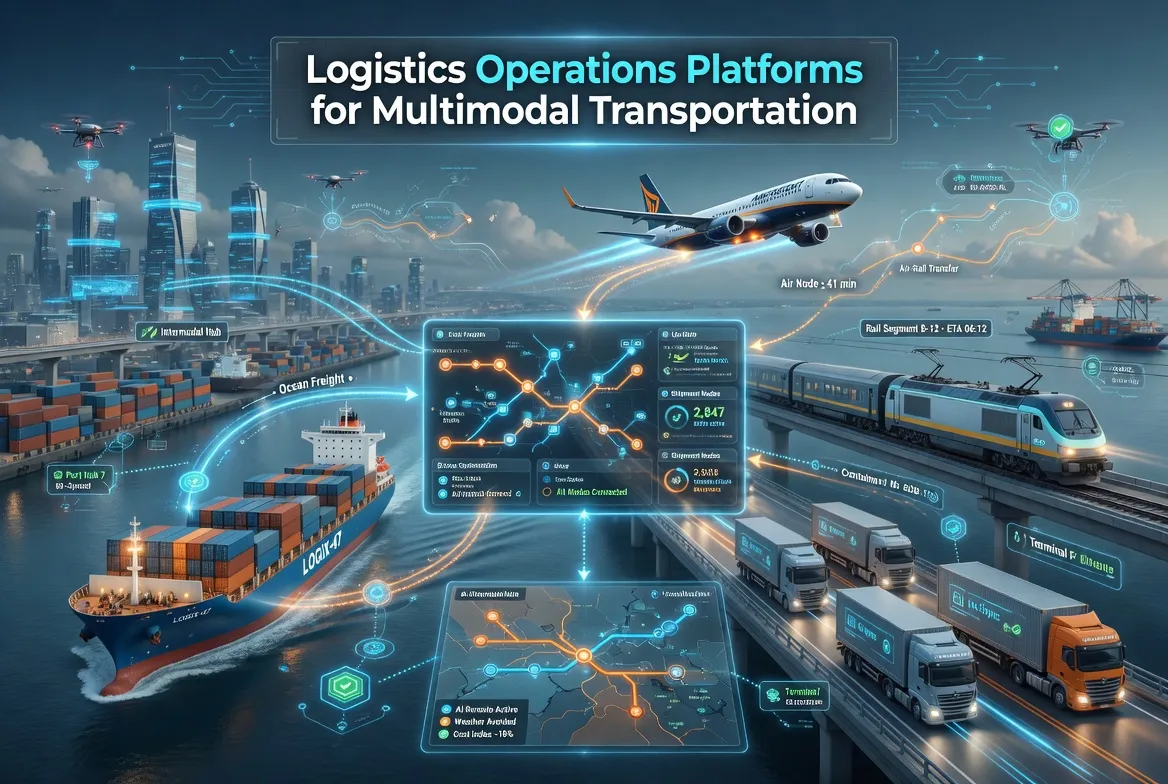
5. Supporting Multi-Modal Freight Operations
Freight shipments often involve multiple transportation modes.
Platforms enable digital infrastructure by:
Managing multi-leg shipments within a single system
Coordinating different carriers and service providers
Synchronizing tracking across all transport segments
This creates a unified operational environment for complex logistics networks.
6. Managing Documents and Compliance Digitally
Freight operations require extensive documentation, including shipping instructions, invoices, and customs forms.
Modern platforms support:
Digital document generation using templates
Centralized document storage
Easy access and sharing across stakeholders
This improves efficiency and ensures compliance with regulatory requirements.
7. Integrating Financial Processes
Digital freight infrastructure connects operational and financial data.
Platforms enable:
Automated cost calculation
Revenue and expense tracking
Profit analysis at shipment level
This integration improves financial transparency and supports better business decisions.
Benefits of Digital Freight Infrastructure
Improved Efficiency
Automation and integration reduce manual work and streamline operations.
Enhanced Visibility
Real-time tracking provides full transparency across the freight lifecycle.
Better Collaboration
Centralized platforms enable seamless communication between stakeholders.
Increased Scalability
Digital infrastructure allows companies to handle growing shipment volumes without increasing operational complexity.
Stronger Risk Management
Automated alerts and exception handling help companies respond quickly to disruptions.
Best Practices for Implementing Digital Freight Infrastructure
1. Use a Centralized Platform
Adopt a core logistics platform to act as the central hub for all operations and data.
2. Focus on Integration
Ensure that all relevant systems and partners are connected through APIs or other integration methods.
3. Standardize Workflows
Define consistent processes to ensure smooth operations across different teams and regions.
4. Leverage Automation
Automate repetitive tasks and use rule-based triggers to improve efficiency.
5. Continuously Optimize
Regularly analyze data and refine processes to enhance performance.
Challenges to Consider
Integration Complexity
Connecting multiple systems requires careful planning and technical expertise.
Data Consistency
Ensuring consistent data across systems requires strong governance and validation.
Change Management
Transitioning to digital infrastructure may require organizational adjustments and training.
Conclusion
Modern logistics platforms are essential for enabling digital freight infrastructure. By connecting systems, automating workflows, and providing real-time visibility, they transform how freight operations are managed across global supply chains.
As logistics continues to evolve, companies that invest in robust digital infrastructure will be better positioned to improve efficiency, scale operations, and maintain a competitive advantage in an increasingly complex and dynamic industry.