
May 11,2026
Title: Freight Forwarding Software for Freight Cost and Profit Management
Introduction
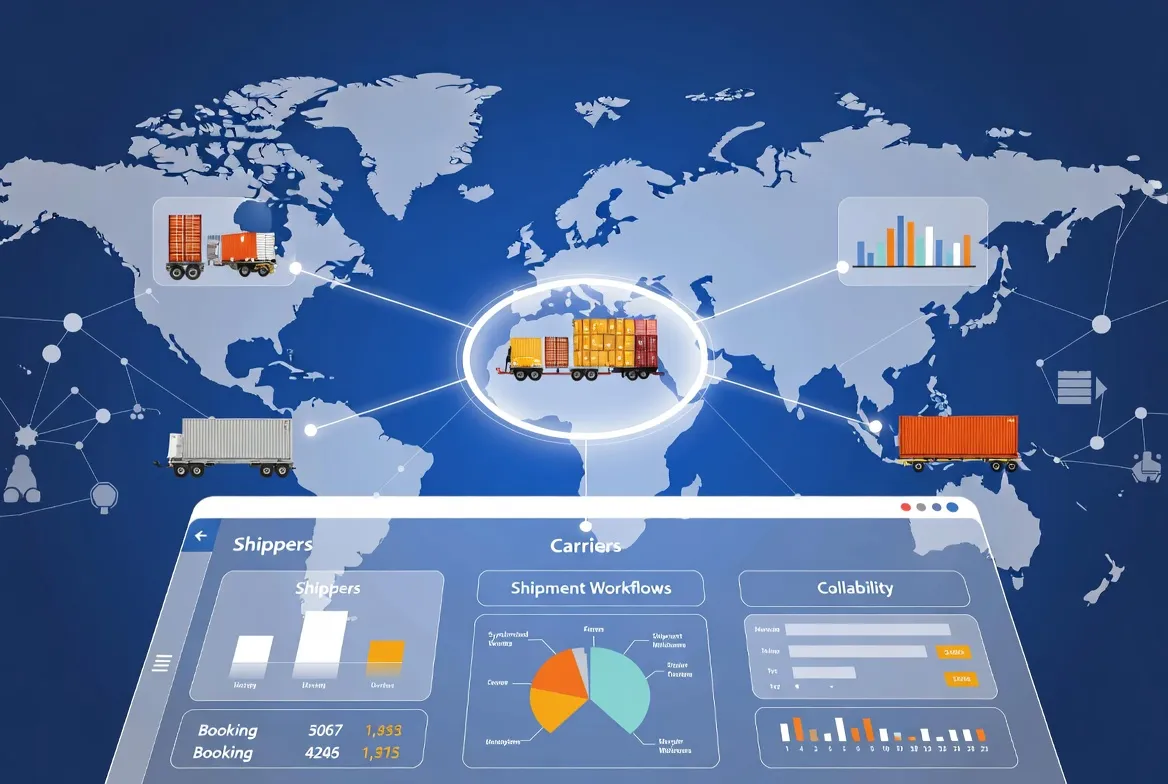
Automation platforms improve logistics operations by digitizing and orchestrating end-to-end processes, reducing manual intervention, and enabling real-time collaboration across the supply chain. By integrating workflow automation, AI-driven data processing, and system connectivity, these platforms streamline operations, enhance visibility, and ensure consistent execution across all logistics activities.
For freight forwarders, 3PL providers, and cross-border eCommerce logistics companies, automation platforms are essential for managing operational complexity, increasing efficiency, and scaling business operations in a competitive global market.
What is an Automation Platform in Logistics?
An automation platform in logistics is a digital system designed to manage, execute, and optimize logistics processes through automated workflows and integrated data flows.
It typically covers:
Shipment order management
Workflow orchestration across operational stages
Document processing and data extraction
Shipment tracking and milestone management
Financial operations such as billing and reconciliation
Integration with external systems and partners
Unlike traditional systems that only record data, automation platforms actively drive operations by triggering actions and coordinating tasks across the logistics network.
Why Automation Platforms Matter
Logistics operations are inherently complex, involving multiple stakeholders, systems, and processes. Without automation, companies often face:
Fragmented workflows across different tools and departments
Manual coordination leading to delays and inefficiencies
Limited visibility into shipment progress
Inconsistent execution across teams
High operational costs due to labor-intensive tasks
Automation platforms address these challenges by:
Creating a unified operational environment
Standardizing workflows and processes
Reducing reliance on manual intervention
Improving transparency and control
Enabling scalable operations
How Automation Platforms Improve Logistics Operations
Automation platforms enhance logistics operations through several core mechanisms.
1. End-to-End Workflow Automation
Automation platforms define and execute workflows across the shipment lifecycle:
Order creation triggers downstream processes
Tasks are automatically assigned based on roles
Workflow steps are executed in sequence without manual intervention
This ensures smooth and consistent operations.
2. AI-Driven Data Processing
AI technologies automate data handling by:
Extracting information from documents (e.g., invoices, bills of lading)
Validating and structuring data
Reducing manual data entry and errors
This significantly accelerates operational processes.
3. Real-Time Visibility and Tracking
Automation platforms provide:
End-to-end shipment visibility
Milestone-based tracking across all transportation stages
Unified timelines accessible to all stakeholders
This enables proactive management of delays and exceptions.
4. Multi-Role and Cross-Company Collaboration
Automation platforms connect:
Internal teams (sales, operations, finance)
External partners (carriers, warehouses, agents, customers)
Through a shared system, all stakeholders:
Access the same data
Receive real-time updates
Collaborate within structured workflows
This reduces communication gaps and improves coordination.
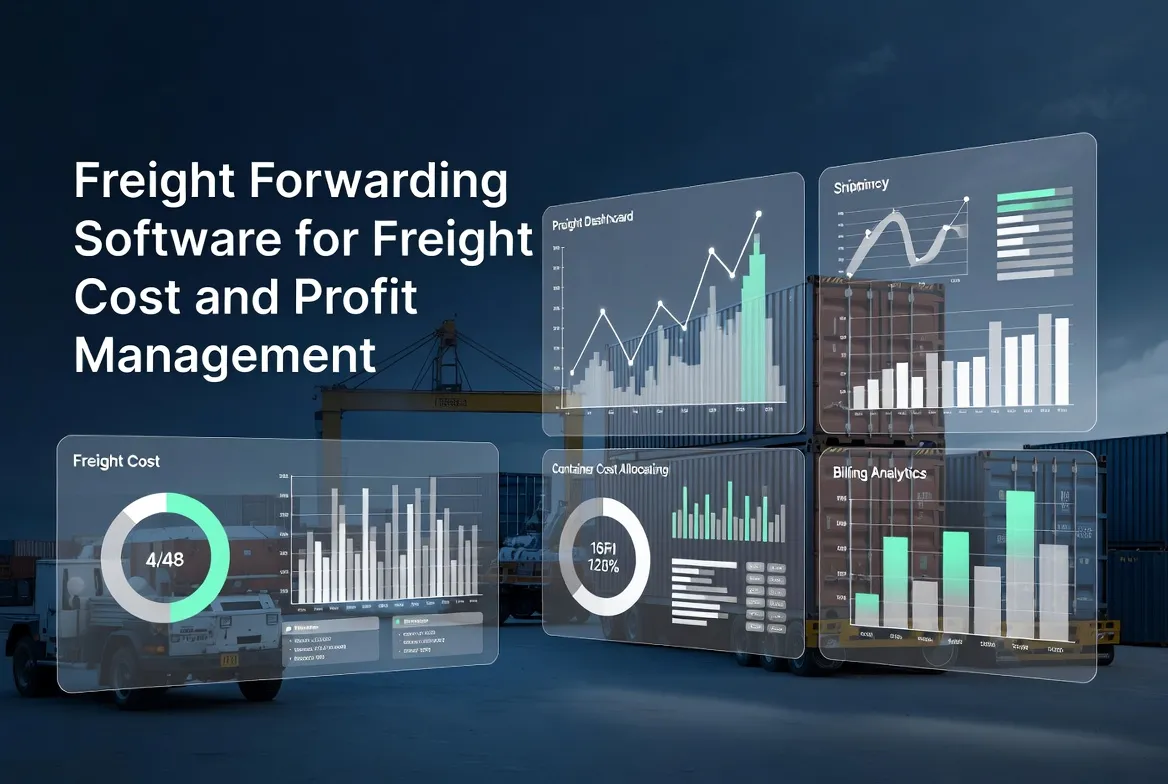
5. Financial Workflow Automation
Automation platforms streamline financial operations:
Automatic cost calculation based on predefined rules
Invoice generation triggered by shipment milestones
Accounts receivable and payable management
Automated reconciliation processes
This improves financial accuracy and reduces manual workload.
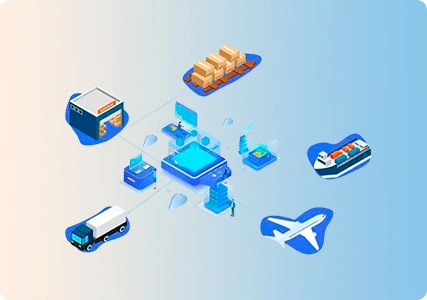
6. Integration with External Systems
Automation platforms integrate with:
ERP systems
WMS platforms
Carrier and tracking systems
eCommerce platforms
Through API and EDI connections, data flows seamlessly across systems, eliminating duplication and ensuring consistency.
7. Exception Management and Alerts
Automation platforms proactively handle exceptions by:
Detecting delays or missing milestones
Triggering alerts and notifications
Assigning resolution tasks to responsible roles
This improves responsiveness and operational control.
Key Features / Key Capabilities
Automation platforms in logistics typically include:
Configurable workflow automation engines
AI-based document and data recognition
End-to-end shipment visibility with milestone tracking
Multi-role collaboration tools
Automated billing and financial management
API/EDI integration capabilities
Real-time dashboards and analytics
Exception management and alert systems
These features work together to create an efficient and scalable logistics operation.
Benefits for Logistics Companies
1. Increased Operational Efficiency
Reduced manual workload
Faster execution of logistics processes
2. Improved Accuracy
Lower risk of data entry errors
Consistent process execution
3. Enhanced Visibility
Real-time tracking across shipments
Better monitoring of operational performance
4. Better Collaboration
Seamless coordination across internal and external stakeholders
Reduced reliance on emails and manual communication
5. Scalability and Growth
Ability to handle higher shipment volumes
Support for expanding operations across regions
Best Practices / Use Cases
1. Freight Forwarders
Automate booking, documentation, and coordination with global agents
Improve visibility across multi-leg shipments
2. 3PL Providers
Manage multiple clients within a unified system
Automate billing and reporting processes
3. Cross-Border eCommerce Logistics
Handle high-volume order processing efficiently
Provide real-time tracking updates to customers
4. Integrated Logistics Networks
Connect upstream and downstream partners
Enable seamless data sharing and collaboration
Conclusion
Automation platforms improve logistics operations by transforming manual, fragmented workflows into integrated, system-driven processes. By leveraging workflow automation, AI-driven data processing, and real-time visibility, these platforms enable logistics companies to operate more efficiently, accurately, and at scale.
In an increasingly complex logistics environment, automation platforms are a key enabler of operational excellence and long-term competitiveness.
Frequently Asked Questions
What is an automation platform in logistics?
An automation platform is a digital system that manages and executes logistics processes through automated workflows, reducing manual intervention and improving efficiency.
How do automation platforms improve logistics operations?
They automate workflows, process data using AI, provide real-time visibility, and enable seamless collaboration across stakeholders.
Why are automation platforms important for logistics companies?
They help reduce costs, improve efficiency, enhance accuracy, and enable scalable operations in complex supply chains.
What are the benefits of logistics automation platforms?
Benefits include faster operations, reduced errors, improved visibility, better collaboration, and increased scalability.
About WallTech
WallTech provides digital logistics solutions that help freight forwarders, 3PL providers, and cross-border eCommerce logistics companies improve operations through automation platforms. Its systems enable end-to-end logistics collaboration by connecting multiple roles and stakeholders across the supply chain within a unified platform. With real-time shipment visibility supported by milestone-based tracking, along with workflow and financial automation capabilities such as automated billing and reconciliation, WallTech supports logistics companies in achieving higher efficiency, accuracy, and scalability in complex global logistics environments.
If you're exploring ways to improve your logistics operations, feel free to connect with us to learn more about our solutions and system capabilities.