
May 09,2026
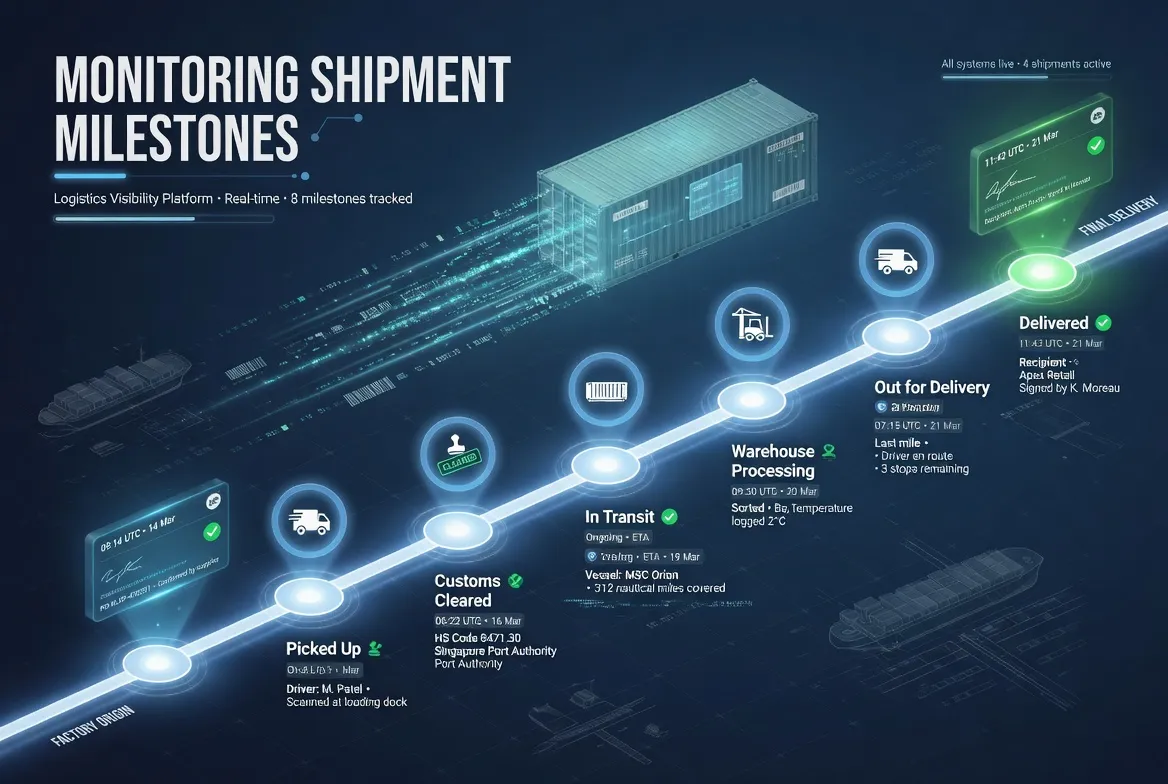
Logistics Visibility Platforms for Monitoring Shipment Milestones
Introduction
Freight forwarding software is a digital platform designed to help logistics companies manage shipment operations, documentation, financial processes, partner collaboration, and cargo visibility across international supply chains. It centralizes operational workflows into a unified system, allowing freight forwarders, 3PL providers, and cross-border logistics companies to improve efficiency, reduce manual work, and gain real-time operational visibility.
As global logistics networks become increasingly complex, many logistics companies struggle with fragmented systems, disconnected communication, manual spreadsheets, delayed shipment updates, and inefficient coordination between partners. Freight forwarding software helps address these challenges by integrating operational management, workflow automation, and shipment tracking into one platform.
Modern logistics companies are no longer only managing transportation bookings. They are coordinating multiple stakeholders, handling multimodal shipments, managing financial reconciliation, and delivering real-time updates to customers. Freight forwarding software has therefore become a core infrastructure component for digital logistics operations.
What is Freight Forwarding Software
Freight forwarding software is a specialized logistics management system used by freight forwarders and logistics providers to manage the end-to-end shipment lifecycle.
The software typically supports:
Ocean freight operations
Air freight operations
Land transportation coordination
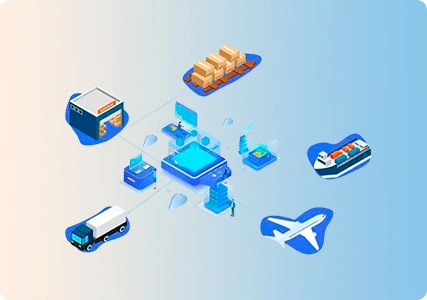
Multimodal shipment management
Documentation processing
Shipment tracking
Financial settlement
Customer collaboration
Supplier coordination
Unlike generic ERP systems, freight forwarding software is designed specifically for logistics workflows and operational scenarios.
A modern freight forwarding platform often includes:
| Function | Description |
|---|---|
| Order Management | Create and manage shipment orders |
| Visibility Management | Track shipment milestones in real time |
| Financial Management | Handle billing, reconciliation, and profit analysis |
| Partner Collaboration | Connect customers, agents, carriers, and warehouses |
| Workflow Automation | Reduce manual operational tasks |
| Document Management | Manage shipping and customs documents |
| Reporting & Analytics | Analyze operational and financial performance |
For global logistics companies, the software acts as a centralized operational hub connecting upstream and downstream logistics stakeholders.
Why Freight Forwarding Software Matters
Freight forwarding operations involve multiple parties, transportation segments, and operational processes. Without a unified system, companies often face operational inefficiencies and visibility gaps.
Common industry challenges include:
Shipment information scattered across emails and spreadsheets
Delayed communication between departments and partners
Lack of real-time cargo visibility
Manual billing and reconciliation
Duplicate data entry
Difficulty tracking profitability by shipment
Inconsistent operational workflows
As shipment volumes grow, these problems become more difficult to manage manually.
Freight forwarding software matters because it enables logistics companies to:
Standardize operational processes
Improve cross-team collaboration
Automate repetitive workflows
Monitor shipment milestones centrally
Improve customer visibility experience
Reduce operational errors
Scale global operations efficiently
For cross-border eCommerce logistics providers and international freight forwarders, operational speed and visibility have become competitive advantages. Customers increasingly expect real-time tracking updates, accurate billing, and fast issue resolution.
A modern freight forwarding system helps companies meet these expectations while maintaining operational control.
How Freight Forwarding Software Works
Freight forwarding software connects operational data, shipment workflows, and financial management into a single digital environment.
A typical operational workflow includes:
1. Order Creation
Shipment orders can be created through:
Manual entry
Batch import
API integration
Customer self-service portals
The system centralizes shipment information such as:
Shipper and consignee details
Cargo information
Transportation modes
Routing data
Service requirements
2. Operational Coordination
Different departments and partners collaborate through the system, including:
Sales teams
Customer service
Operations teams
Overseas agents
Carriers
Warehouses
Customs brokers
Multi-role coordination helps reduce communication delays and operational silos.
3. Shipment Tracking
The system captures milestone updates across transportation segments, such as:
Cargo pickup
Warehouse arrival
Customs clearance
Port departure
Flight departure
Final delivery
Modern platforms often provide milestone-based tracking with unified shipment timelines.
This allows both operators and customers to monitor shipment progress in real time.
4. Financial Processing
Freight forwarding software also automates financial operations, including:
Accounts receivable
Accounts payable
Cost allocation
Profit analysis
Invoice generation
Reconciliation workflows
Automated billing and reconciliation reduce manual accounting workloads and improve financial accuracy.
5. Reporting and Analytics
Management teams can analyze:
Shipment performance
Customer profitability
Route efficiency
Operational KPIs
Exception rates
This supports better operational and business decision-making.
Key Features of Freight Forwarding Software
Modern freight forwarding systems include a wide range of operational and management capabilities.
End-to-End Shipment Visibility
Real-time shipment visibility is one of the most important capabilities.
Features may include:
Milestone tracking
Unified shipment timeline
Exception alerts
Multi-segment tracking
Customer tracking portals
Visibility improves both operational control and customer experience.
Workflow Automation
Automation helps reduce repetitive manual tasks.
Examples include:
Automated shipment updates
Workflow triggers
Automated billing generation
Automated reconciliation
Task assignment workflows
Some advanced systems also support AI-powered data recognition for extracting shipment information from documents.
Partner Collaboration
Freight forwarding requires coordination between many external parties.
Collaboration capabilities may include:
Customer portals
Supplier connectivity
Overseas agent coordination
Shared shipment updates
Online document sharing
Unified collaboration reduces communication fragmentation across the supply chain.
Financial Management
Integrated financial modules help logistics companies manage profitability more effectively.
Capabilities often include:
Cost management
Revenue management
Profit reporting
Multi-currency support
Invoice management
Write-off management
Multimodal Transportation Management
Modern logistics operations often involve multiple transportation methods.
The software can support:
Ocean freight
Air freight
Trucking
Rail transportation
Express delivery
This helps companies manage complex international shipment operations from one system.
Benefits for Logistics Companies
Freight forwarding software provides operational, financial, and customer service benefits.
Improved Operational Efficiency
Centralized workflows reduce manual coordination and duplicated work.
Teams can process shipments faster and more consistently.
Better Shipment Visibility
Real-time milestone tracking improves shipment transparency and operational control.
This helps logistics companies proactively manage delays and exceptions.
Enhanced Collaboration
Unified platforms improve communication between:
Internal departments
Customers
Overseas agents
Carriers
Warehouses
This reduces operational fragmentation.
Financial Accuracy
Automated billing and reconciliation reduce human errors and improve profitability management.
Companies can also analyze profits at the shipment, container, or customer level.
Scalability for Growth
As logistics companies expand internationally, freight forwarding software helps standardize operations across regions, branches, and partners.
Best Practices and Use Cases
Standardize Operational Workflows
Successful logistics companies define consistent SOPs across departments and offices.
Freight forwarding software can help enforce standardized operational processes globally.
Integrate Upstream and Downstream Partners
Connecting customers, suppliers, warehouses, and overseas agents into one operational environment improves coordination efficiency.
Use Real-Time Visibility Proactively
Shipment visibility should not only be used for tracking.
Companies can use milestone alerts and exception monitoring to proactively resolve operational risks.
Automate Repetitive Tasks
Automation is especially valuable for:
Billing generation
Shipment notifications
Status updates
Data entry
Reconciliation
This reduces labor-intensive operations.
Support Cross-Border eCommerce Logistics
Cross-border logistics providers often manage high shipment volumes and complex last-mile coordination.
Freight forwarding software helps centralize operational management while improving delivery visibility and customer communication.
Conclusion
Freight forwarding software has become a critical digital infrastructure for modern logistics companies. It helps freight forwarders and 3PL providers manage complex shipment operations, improve visibility, automate workflows, and strengthen collaboration across global supply chains.
As logistics networks continue to grow more interconnected and customer expectations rise, companies relying on manual processes and disconnected systems may struggle to scale efficiently.
A modern freight forwarding platform enables logistics companies to centralize operations, improve shipment transparency, optimize financial management, and support long-term digital transformation initiatives.
Frequently Asked Questions
What is freight forwarding software in logistics?
Freight forwarding software is a logistics management platform used to manage shipment operations, tracking, documentation, collaboration, and financial workflows for freight forwarders and logistics companies.
How does freight forwarding software work?
The software centralizes shipment management by connecting operational workflows, shipment tracking, customer collaboration, and financial management into one system.
Why is freight forwarding software important?
It helps logistics companies reduce manual processes, improve shipment visibility, automate operations, and enhance coordination between teams and logistics partners.
What are the benefits of freight forwarding software?
Key benefits include operational efficiency, real-time visibility, workflow automation, better collaboration, financial accuracy, and improved scalability.
Who uses freight forwarding software?
Freight forwarders, 3PL providers, cross-border eCommerce logistics companies, customs brokers, and global logistics operators commonly use freight forwarding software.
About WallTech
WallTech is a digital logistics technology provider focused on helping freight forwarders, cross-border logistics companies, and supply chain operators improve operational efficiency through integrated logistics systems. Its solutions support end-to-end logistics collaboration, real-time shipment visibility, workflow automation, and financial process management across global logistics operations. By connecting customers, logistics partners, warehouses, and transportation resources into a unified operational platform, WallTech helps logistics companies streamline operations and improve scalability in increasingly complex international supply chains.
If you're exploring ways to improve your logistics operations, feel free to connect with us to learn more about our solutions and system capabilities.
Scan the QR code or contact our team directly for further discussion.