Apr 24,2026
Cross-Border Logistics Platforms for International Logistics Collaboration
Introduction
Freight tracking systems for logistics performance tracking are digital platforms that help logistics companies monitor, measure, and improve operational performance across transportation and supply chain activities. These systems provide real-time visibility into shipment progress, delivery timelines, carrier efficiency, operational bottlenecks, and service reliability.
As global supply chains become more complex, freight forwarders, 3PL providers, and cross-border eCommerce logistics companies increasingly rely on performance tracking systems to improve operational efficiency and customer satisfaction. Without centralized logistics visibility and measurable operational data, companies often struggle to identify inefficiencies, manage delays, and optimize transportation performance.
Freight tracking systems solve these challenges by consolidating logistics data into unified dashboards and analytics environments, enabling organizations to track key operational metrics and improve supply chain execution.
What is Logistics Performance Tracking
Logistics performance tracking refers to the process of monitoring operational activities and measuring logistics efficiency using shipment data, transportation milestones, and supply chain metrics.
A freight tracking system helps logistics companies evaluate operational performance across areas such as:
Shipment transit times
Delivery accuracy
Carrier performance
Customs clearance efficiency
Warehouse processing speed
Transportation reliability
SLA compliance
Exception response times
The system collects operational data from multiple logistics sources and transforms it into measurable performance indicators.
These systems are widely used by:
Freight forwarders
3PL providers
Cross-border eCommerce logistics companies
International transportation networks
Supply chain management teams
The goal is to improve operational visibility, identify inefficiencies, and support continuous logistics optimization.
Why Logistics Performance Tracking Matters
Modern logistics operations involve multiple transportation providers, countries, operational handoffs, and supply chain dependencies.
Without structured performance tracking, logistics companies often face problems such as:
Limited operational visibility
Difficulty identifying delays
Poor carrier performance management
Inefficient transportation planning
High operational costs
Inconsistent customer service
Reactive exception management
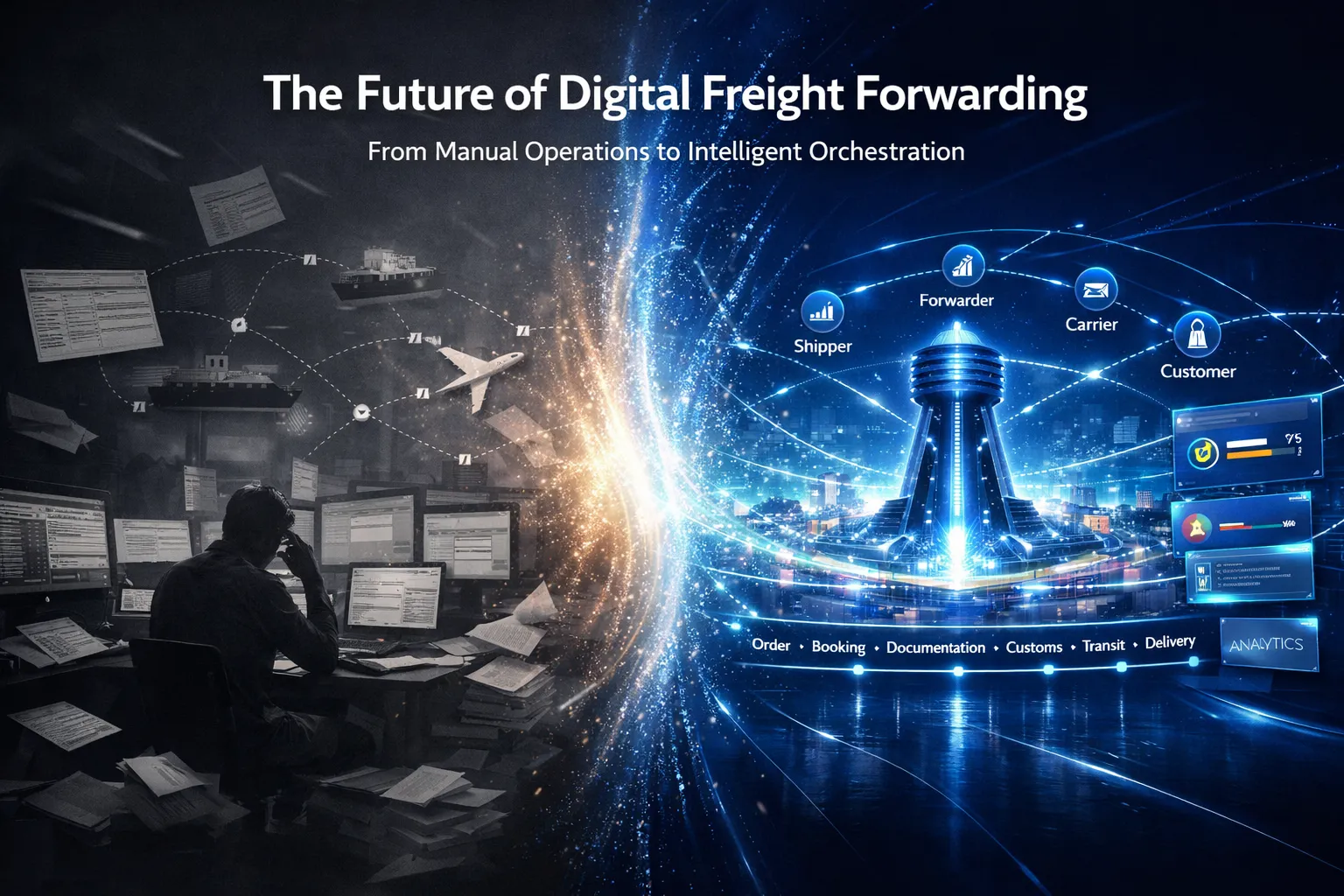
Traditional logistics operations frequently depend on manual reporting, disconnected systems, and spreadsheets.
This makes it difficult to monitor logistics performance accurately in real time.
Freight tracking systems improve logistics performance management by providing:
Centralized operational data
Real-time shipment visibility
Automated KPI tracking
Exception monitoring
Historical performance analysis
Performance tracking enables logistics companies to make data-driven operational decisions instead of relying on manual estimation.
How Freight Tracking Systems Support Logistics Performance Tracking
Freight tracking systems use integrations, operational workflows, and analytics tools to monitor logistics performance continuously.
The process generally includes the following stages.
1. Operational Data Collection
Shipment and transportation data enter the system through:
Carrier APIs
ERP systems
Transportation management systems
Warehouse platforms
Customs systems
EDI integrations
Manual operational updates
Data collected may include:
Shipment milestones
Transit times
Delivery events
Carrier schedules
Warehouse activities
Customs processing status
2. Shipment Event Synchronization
The system continuously gathers logistics events from multiple operational sources.
Examples include:
Cargo pickup
Port departure
Customs clearance
Warehouse receiving
Delivery dispatch
Final delivery
These events create a complete shipment timeline.
3. KPI and Performance Measurement
Freight tracking systems calculate logistics KPIs using operational data.
Examples include:
On-time delivery rate
Transit time accuracy
Carrier delay frequency
Customs clearance time
Warehouse processing efficiency
Exception resolution speed
These metrics help companies evaluate operational performance objectively.
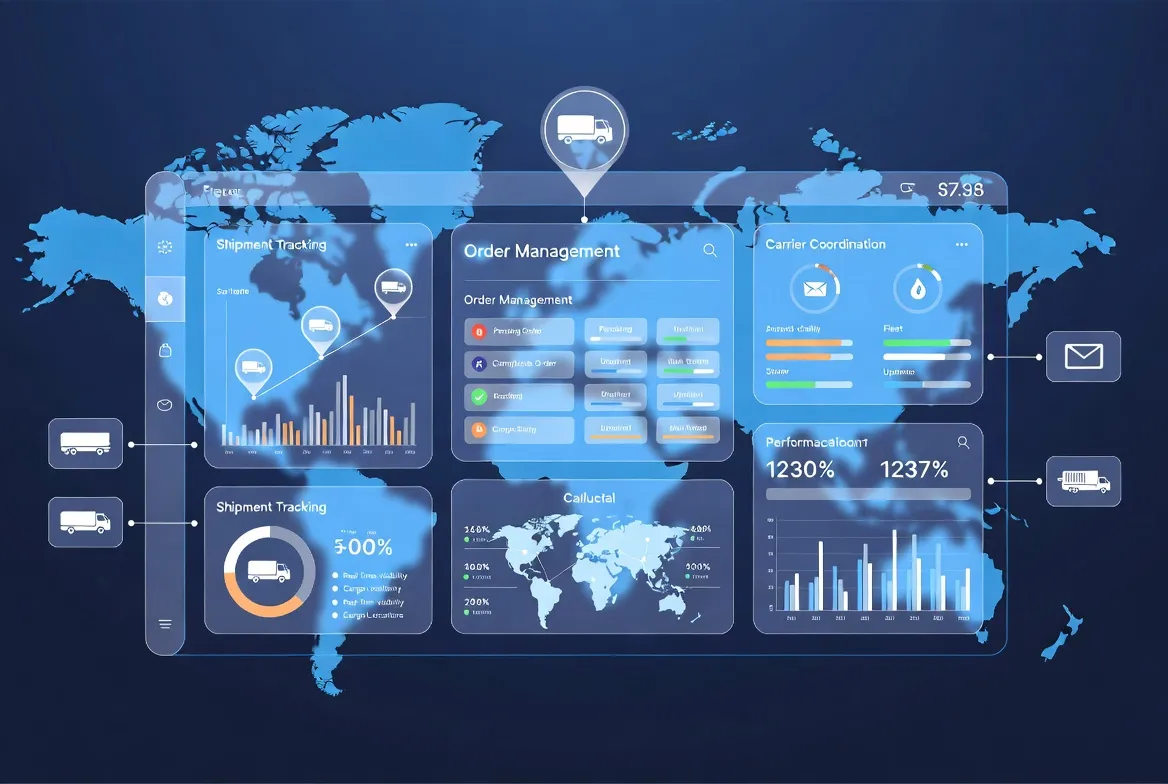
4. Centralized Visibility Dashboards
Performance data is displayed through centralized dashboards and analytics tools.
Operations teams can monitor:
Delayed shipments
Transportation efficiency
SLA compliance
Carrier reliability
Operational bottlenecks
This improves decision-making and operational control.
5. Automated Exception Monitoring
Modern systems automatically identify abnormal operational conditions such as:
Delayed transportation
Missed milestones
Long warehouse dwell times
Delivery failures
Customs processing delays
Automated alerts improve response speed and operational accountability.
Key Features of Logistics Performance Tracking Systems
Modern freight tracking systems provide several important performance management capabilities.
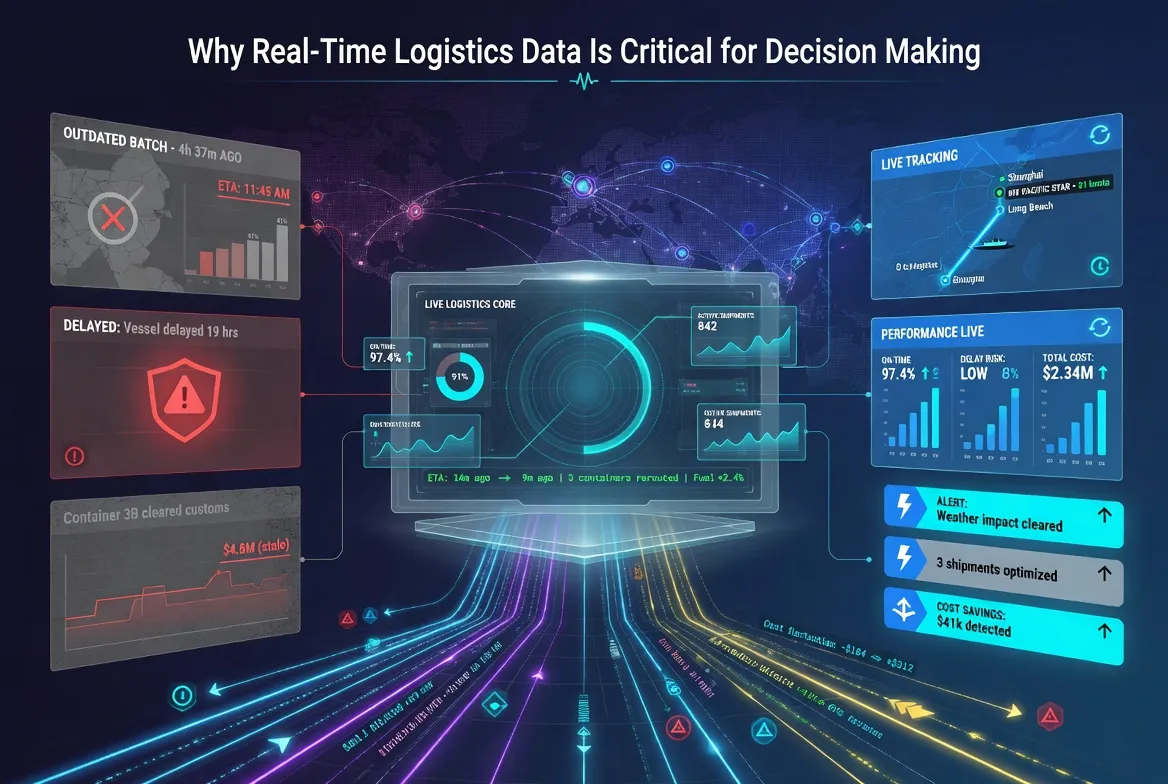
Real-Time Shipment Visibility
The system continuously updates shipment progress and transportation activities.
Real-time monitoring improves operational awareness and performance control.
KPI Monitoring and Analytics
Freight tracking systems support operational performance measurement using logistics KPIs and reporting tools.
Unified Shipment Timeline
All logistics events are displayed within centralized shipment timelines.
This improves operational transparency and issue analysis.
Carrier Performance Management
Companies can evaluate transportation providers based on:
Transit reliability
Delivery accuracy
Delay frequency
Operational responsiveness
This supports better carrier selection and management.
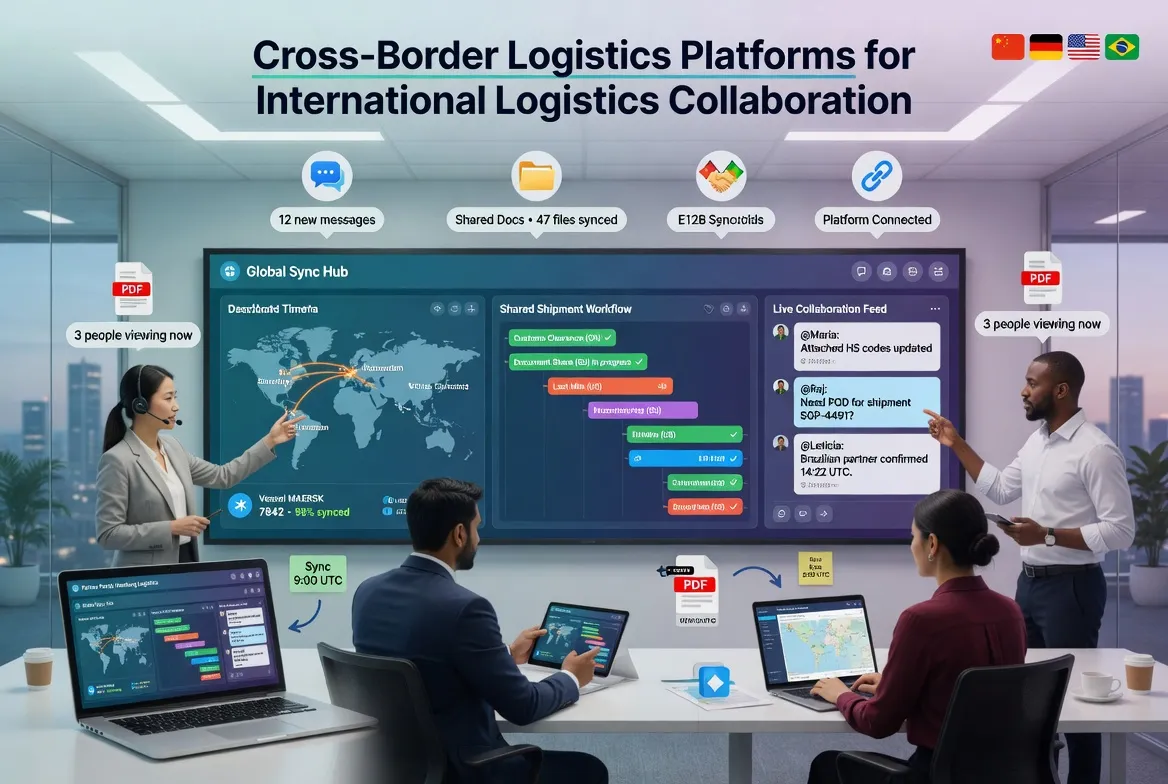
Multi-Role Collaboration
Performance tracking requires coordination between:
Operations teams
Customer service
Carriers
Warehouses
Overseas agents
Customers
Shared visibility improves communication and operational alignment.
Workflow Automation
Modern systems often support automation capabilities such as:
Automated reporting
Billing triggers
Workflow assignments
Financial reconciliation
Exception escalation
Some systems also use AI-based data recognition to improve operational efficiency.
Benefits for Logistics Companies
Logistics performance tracking systems provide important operational and strategic advantages.
Improved Operational Efficiency
Centralized visibility helps companies identify inefficiencies and optimize logistics workflows.
Better Decision-Making
Performance analytics support data-driven operational decisions instead of manual estimation.
Faster Exception Resolution
Real-time alerts help teams identify and resolve operational disruptions more quickly.
Enhanced Customer Satisfaction
Improved logistics performance leads to better delivery reliability and customer communication.
Stronger Carrier Management
Companies can evaluate transportation providers using measurable operational data.
Scalable Logistics Operations
As shipment volumes increase, performance tracking systems help logistics organizations maintain operational control efficiently.
Best Practices and Use Cases
Companies implementing logistics performance tracking systems should focus on operational standardization and measurable KPIs.
Define Clear Logistics KPIs
Use measurable performance indicators such as:
On-time delivery rates
Average transit times
Exception frequency
Warehouse processing speed
SLA compliance
Integrate Multiple Operational Systems
Visibility improves when freight tracking systems connect with:
ERP platforms
Carrier systems
Warehouse systems
Financial software
Customs platforms
Standardize Operational Milestones
Consistent milestone definitions improve reporting accuracy and KPI reliability.
Automate Performance Alerts
Configure alerts for situations such as:
Shipment delays
SLA violations
Delivery failures
Customs processing issues
Use Historical Data for Optimization
Historical performance data helps companies identify long-term operational trends and improvement opportunities.
Conclusion
Freight tracking systems for logistics performance tracking are essential tools for improving operational efficiency and supply chain visibility. They provide centralized shipment monitoring, KPI analysis, real-time visibility, and exception management across modern logistics operations.
For freight forwarders, 3PL providers, and cross-border logistics companies, performance tracking supports better operational control, improved customer satisfaction, and more scalable supply chain management.
As logistics operations continue evolving toward digital supply chains and data-driven management, logistics performance tracking systems will become increasingly important for operational optimization and competitive advantage.
Frequently Asked Questions
What is logistics performance tracking?
Logistics performance tracking is the process of monitoring shipment activities, transportation efficiency, and operational KPIs to improve supply chain performance.
How do freight tracking systems support performance tracking?
They collect logistics data from carriers, warehouses, customs systems, and operational platforms, then analyze the information using centralized dashboards and KPI reporting tools.
Why is logistics performance tracking important?
It helps logistics companies identify inefficiencies, improve operational visibility, optimize transportation performance, and enhance customer satisfaction.
What are the benefits of logistics performance tracking systems?
Benefits include real-time visibility, KPI monitoring, faster exception management, improved carrier performance evaluation, and better operational decision-making.
Can logistics performance tracking support international logistics operations?
Yes. Modern systems support international transportation networks involving multiple carriers, warehouses, customs procedures, and transportation modes.
About WallTech
WallTech provides digital logistics solutions that help freight forwarders, 3PL providers, and cross-border logistics companies improve operational visibility and logistics performance management. Its platforms support real-time shipment tracking, milestone-based monitoring, and centralized logistics analytics across international supply chain operations.
The systems also help logistics organizations improve efficiency through workflow automation, multi-role collaboration, AI-supported data recognition, automated financial workflows, and integrated coordination between customers, warehouses, overseas agents, and transportation providers. WallTech focuses on helping logistics companies build scalable and data-driven digital logistics operations for modern global supply chains.
If you're exploring ways to improve your logistics operations, feel free to connect with us to learn more about our solutions and system capabilities.
Scan the QR code or contact our team directly for further discussion.