
Apr 23,2026
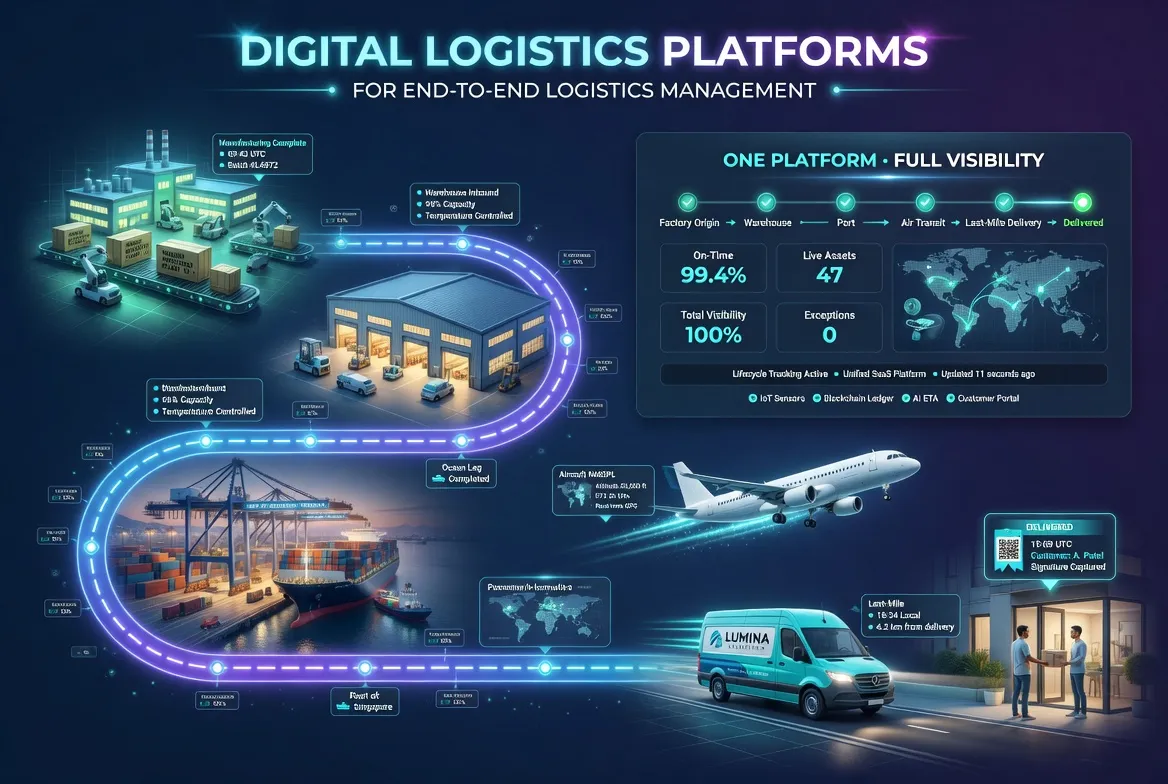
Digital Logistics Platforms for End-to-End Logistics Management
Introduction
Freight systems support automated logistics processes by integrating workflows, data, and stakeholders into a unified digital environment where operations are executed automatically based on predefined rules and real-time triggers. Through workflow automation, AI-driven data processing, and system connectivity, freight systems enable seamless execution of logistics activities with minimal manual intervention.
For freight forwarders, 3PL providers, and cross-border eCommerce logistics companies, automated logistics processes are essential for managing complex operations efficiently, reducing errors, and ensuring consistent service delivery across global supply chains.
What are Automated Logistics Processes?
Automated logistics processes refer to logistics activities that are executed by digital systems without requiring continuous manual input. These processes are structured, rule-based, and triggered automatically within a system.
Examples include:
Automatic order processing and validation
Workflow-driven task execution
Real-time shipment tracking updates
Automated document processing and data extraction
Invoice generation and financial reconciliation
System-driven communication and notifications
These processes replace manual handling with system-driven execution, improving speed and accuracy.
Why Automated Processes Matter in Logistics
Traditional logistics operations rely heavily on manual processes, which lead to:
High operational workload
Frequent errors in data and execution
Delays in shipment processing
Limited visibility into operations
Inefficient coordination across stakeholders
Automated processes are important because they:
Reduce manual intervention and human error
Accelerate operational cycles
Improve consistency across workflows
Enhance real-time visibility and control
Enable scalable operations as business grows
How Freight Systems Support Automated Logistics Processes
Freight systems provide the foundation and tools required to implement and sustain automation across logistics operations.
1. Workflow Automation Engines
Freight systems use workflow engines to:
Define process steps for each shipment
Automatically trigger tasks based on workflow progress
Ensure consistent execution across operations
This forms the backbone of automated logistics processes.
2. AI-Driven Data Recognition
AI technologies automate data handling by:
Extracting key information from logistics documents
Structuring and validating data
Reducing manual data entry
This accelerates operations and improves data accuracy.
3. End-to-End Visibility and Tracking
Freight systems provide:
Real-time tracking of shipments across all stages
Milestone-based updates
Unified timelines accessible to all stakeholders
This enables automated monitoring and proactive management of logistics processes.
4. Multi-Role Collaboration Framework
Freight systems support collaboration between:
Internal teams (sales, operations, finance)
External partners (carriers, warehouses, agents, customers)
Through a shared system:
Data is synchronized in real time
Tasks are clearly assigned
Coordination is automated
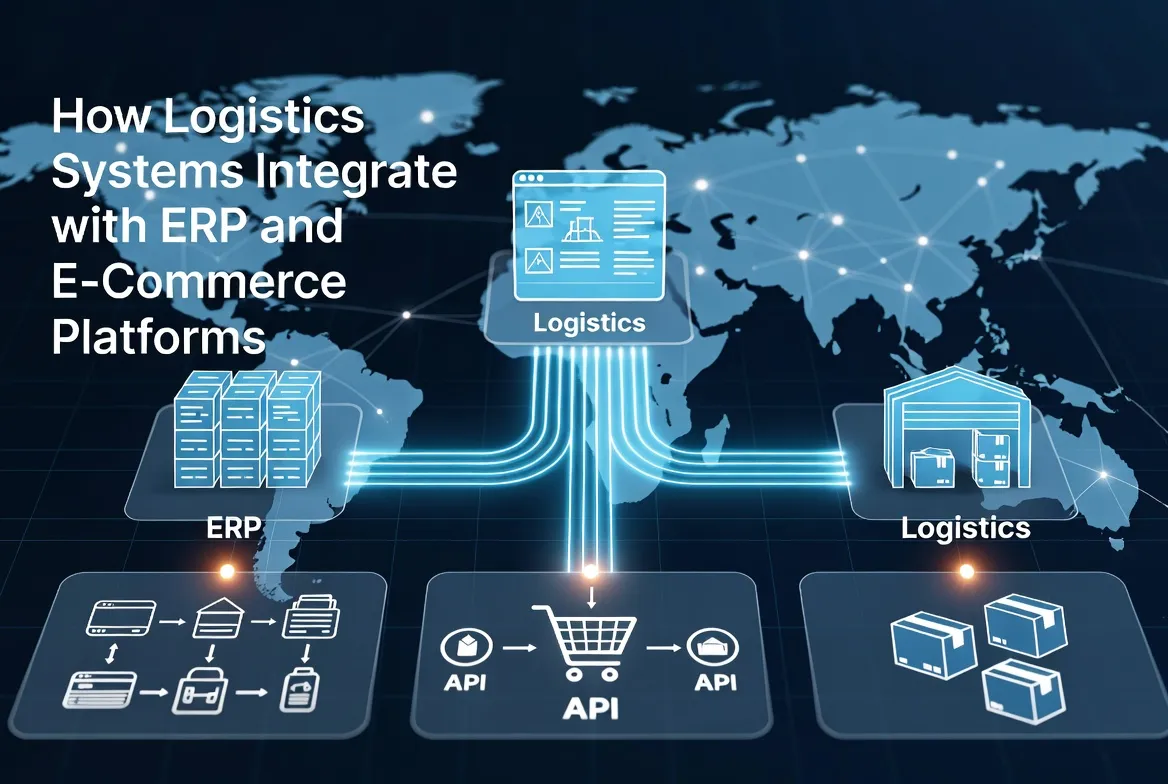
5. Integration with External Systems
Freight systems connect with:
ERP systems
WMS platforms
Carrier and tracking systems
eCommerce platforms
Through API and EDI integration:
Data flows automatically across systems
Processes are synchronized end-to-end
6. Automated Financial Management
Freight systems automate financial processes:
Cost calculation based on predefined rules
Invoice generation triggered by workflow milestones
Accounts receivable and payable tracking
Automated reconciliation
This ensures financial accuracy and efficiency.
7. Notification and Exception Management
Freight systems monitor processes and:
Trigger alerts for delays or issues
Notify relevant stakeholders automatically
Assign tasks for issue resolution
This supports continuous process automation and control.
Key Features / Key Capabilities
Freight systems that support automated logistics processes typically include:
Workflow automation engines
AI-based document and data recognition
End-to-end shipment visibility
Multi-role collaboration tools
Automated financial management systems
API/EDI integration capabilities
Real-time monitoring and alerts
These capabilities enable fully automated and scalable logistics operations.
Benefits for Logistics Companies
1. Reduced Manual Workload
Less reliance on human intervention
More efficient use of resources
2. Faster Operations
Shorter processing times for shipments
Faster document handling and approvals
3. Improved Accuracy
Reduced errors in data entry and calculations
Consistent process execution
4. Enhanced Visibility
Real-time tracking and monitoring
Better operational control
5. Scalable Operations
Ability to handle increased shipment volumes
Support for business growth without proportional cost increases
Best Practices / Use Cases
1. Freight Forwarders
Automate end-to-end shipment workflows
Improve coordination with global agents and partners
2. 3PL Providers
Manage multiple clients and services efficiently
Automate billing and financial processes
3. Cross-Border eCommerce Logistics
Handle high-volume order processing
Provide real-time tracking updates to customers
4. Integrated Logistics Networks
Connect upstream and downstream partners
Enable seamless data sharing and automated coordination
Conclusion
Freight systems support automated logistics processes by providing the infrastructure and capabilities needed to execute operations in a structured, system-driven manner. Through workflow automation, AI data processing, real-time visibility, and seamless integration, these systems enable logistics companies to operate more efficiently, accurately, and at scale.
As logistics operations continue to grow in complexity, automation supported by robust freight systems is essential for maintaining competitiveness and delivering reliable services.
Frequently Asked Questions
What are automated logistics processes?
Automated logistics processes are system-driven activities that execute logistics operations such as order processing, tracking, and billing without requiring continuous manual input.
How do freight systems support automation?
They provide workflow engines, AI data processing, real-time tracking, and system integration to enable automated execution of logistics processes.
Why are automated processes important in logistics?
They improve efficiency, reduce errors, enhance visibility, and allow companies to scale operations effectively.
What are the benefits of automated logistics systems?
Benefits include faster operations, reduced manual workload, improved accuracy, better visibility, and increased scalability.
About WallTech
WallTech provides digital logistics solutions that support automated logistics processes for freight forwarders, 3PL providers, and cross-border eCommerce logistics companies. Its platforms enable end-to-end logistics collaboration by connecting multiple roles and stakeholders within a unified system. With real-time shipment visibility supported by milestone-based tracking, along with workflow and financial automation capabilities such as automated billing and reconciliation, WallTech helps logistics companies streamline operations, reduce manual effort, and achieve scalable growth in complex global supply chains.
If you're exploring ways to improve your logistics operations, feel free to connect with us to learn more about our solutions and system capabilities.