Data standardization is essential in freight forwarding systems because logistics operations rely on accurate and consistent shipment information. By standardizing how data is recorded and managed, logistics platforms help reduce operational errors, improve coordination between teams, and ensure reliable shipment tracking.
The Problem of Inconsistent Logistics Data
Freight forwarding operations generate large amounts of operational data. Shipment orders, cargo details, transportation routes, container numbers, and tracking events are recorded throughout the logistics process.
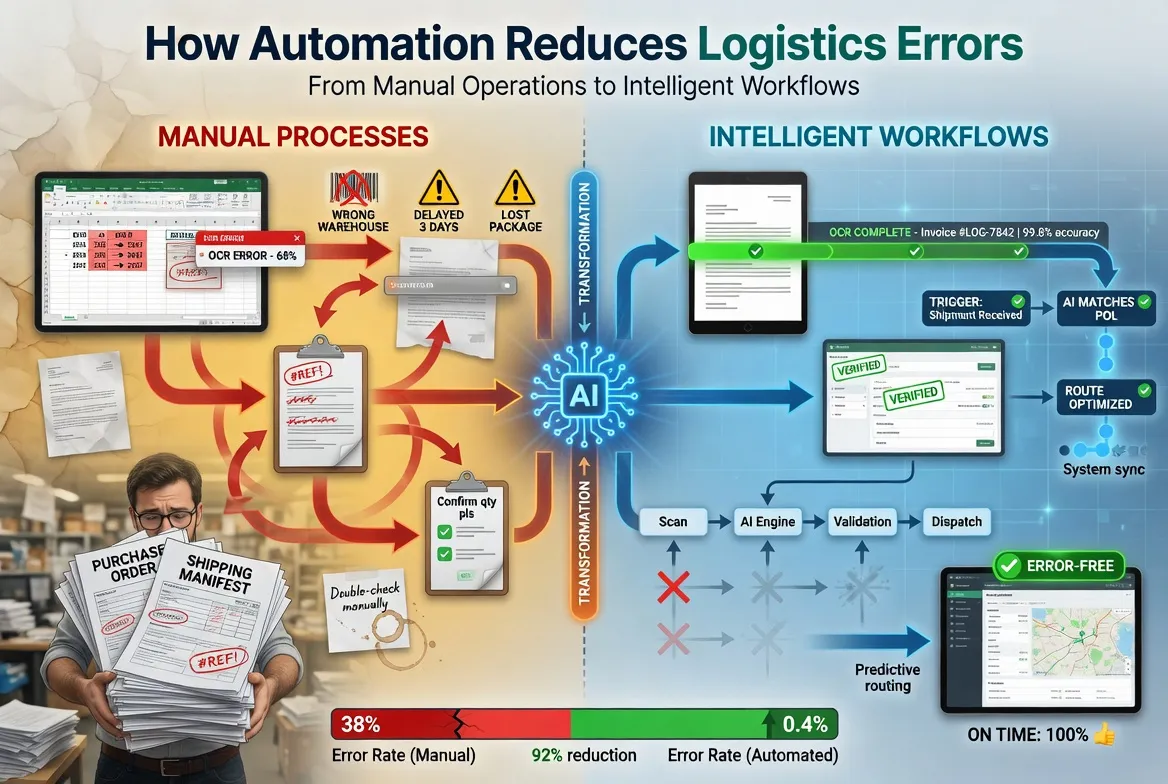
When this information is managed manually through spreadsheets, emails, or different software tools, data formats often become inconsistent. For example, ports, routes, and shipment status may be recorded differently by different teams.
These inconsistencies make it difficult to maintain accurate shipment records and can create confusion during daily operations.
Standardizing Data Structures
Freight forwarding systems address these challenges by defining structured data fields for key logistics information.
Instead of free-text entries, users typically select standardized values for ports, transportation modes, cargo types, and operational milestones. This ensures that shipment information follows consistent formats across the system.
Standardized data structures also make it easier to search, analyze, and report logistics information.
Improving Operational Coordination
Consistent data allows different departments to collaborate more effectively. When operations teams, finance teams, and customer service staff all access the same standardized shipment records, communication becomes more efficient.
For example, operations teams can track shipment progress, finance teams can calculate costs and billing information, and customer service teams can provide accurate updates to customers.
Standardized data ensures that all teams rely on the same source of operational information.
Supporting Visibility and Analytics
Data standardization also improves shipment visibility and performance analysis. When shipment events and operational milestones follow consistent formats, logistics platforms can generate reliable tracking timelines and operational reports.
This allows companies to analyze shipment performance, identify operational bottlenecks, and improve decision-making.
Consistent data structures are also important for integrating logistics platforms with other systems such as warehouse management systems or financial software.
Conclusion
Data standardization is a fundamental component of modern freight forwarding systems. By ensuring that shipment information is recorded in consistent formats, logistics platforms improve operational coordination, visibility, and data accuracy.
As logistics networks continue to expand and digital systems become more interconnected, standardized data plays a critical role in enabling efficient and reliable freight operations.



.webp "What Is Logistics Collaboration and Why It Matters in Global Supply Chains")