
Dec 30,2025
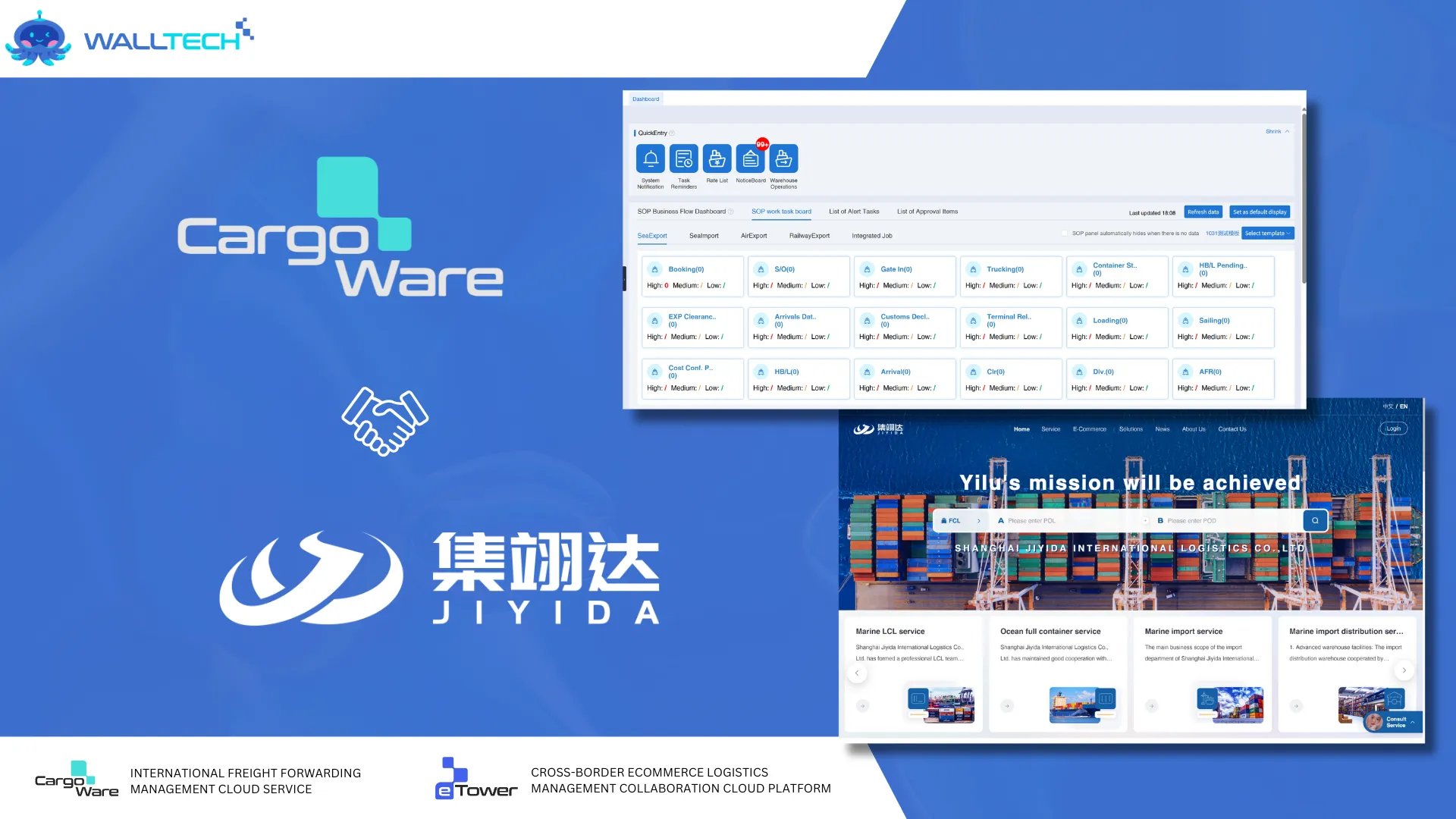
Jiyida: Streamlining Documentation Operations with AI-Driven Logistics Automation
Logistics Software for API-Based Operations
Introduction
Logistics software for API-based operations refers to systems that use APIs (Application Programming Interfaces) as the primary method for connecting, exchanging data, and automating workflows across logistics systems, partners, and platforms. It enables real-time data flow, seamless system integration, and scalable operations without manual intervention.
In modern logistics environments—especially for freight forwarders, 3PLs, and cross-border eCommerce companies—API-based operations are critical for handling high volumes of shipments, coordinating multiple stakeholders, and maintaining real-time visibility across the supply chain.
What Is API-Based Logistics Software
API-based logistics software is designed to operate through standardized interfaces that allow different systems to communicate with each other automatically.
Instead of relying on manual data entry or file-based exchanges (such as emails or spreadsheets), API-based systems enable:
Real-time data exchange between systems
Automated order creation and updates
Seamless integration with external platforms
Scalable connectivity across multiple partners
Examples of API connections in logistics include:
E-commerce platforms sending order data to logistics systems
Carrier systems providing tracking updates
ERP systems receiving financial and operational data
Customer portals displaying real-time shipment status
API-based operations transform logistics systems into interconnected ecosystems rather than isolated tools.
Why API-Based Operations Matter
1. Enables Real-Time Data Exchange
APIs allow instant communication between systems, ensuring that shipment data, order updates, and tracking information are always current.
2. Reduces Manual Processes
Manual data entry and file transfers are replaced by automated data flows, reducing workload and human error.
3. Improves Scalability
API-based systems can easily connect with new partners, platforms, and services as the business grows.
4. Enhances Visibility
Real-time updates from multiple sources enable end-to-end tracking and a unified shipment timeline.
5. Supports Ecosystem Connectivity
Logistics companies can connect with carriers, customers, suppliers, and platforms within a single digital ecosystem.
How API-Based Logistics Operations Work
1. API Integration Layer
The logistics system provides API endpoints that allow external systems to send and receive data.
Common API interactions include:
Creating shipment orders
Updating shipment status
Retrieving tracking information
Sending financial data
2. Data Flow Automation
APIs automate the flow of data between systems:
Orders are generated from an external platform (e.g., e-commerce system)
The logistics system receives the order via API
Shipment workflows are triggered automatically
Tracking updates are sent back through APIs
Financial data is transmitted to ERP systems
3. Event-Driven Processes
API-based systems often use event-driven logic:
A shipment milestone triggers a status update
A completed shipment triggers invoicing
An exception triggers alerts or workflow adjustments
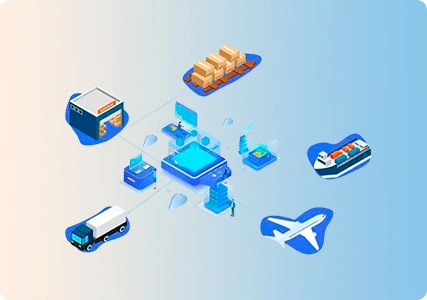
4. Multi-System Connectivity
API-based logistics software can connect with:
ERP and accounting systems
Warehouse and inventory systems
Carrier and tracking platforms
Customs and compliance systems
Customer-facing portals
5. Automation and AI Integration
Modern platforms enhance API-based operations with:
AI-driven data recognition (e.g., extracting shipment data from documents)
Workflow automation for task assignment and exception handling
Automated billing and reconciliation based on operational data
This combination ensures both connectivity and operational efficiency.
Key Features of API-Based Logistics Software
Open API architecture
Standardized APIs for easy integration with internal and external systemsReal-time data synchronization
Instant updates across all connected platformsEnd-to-end shipment visibility
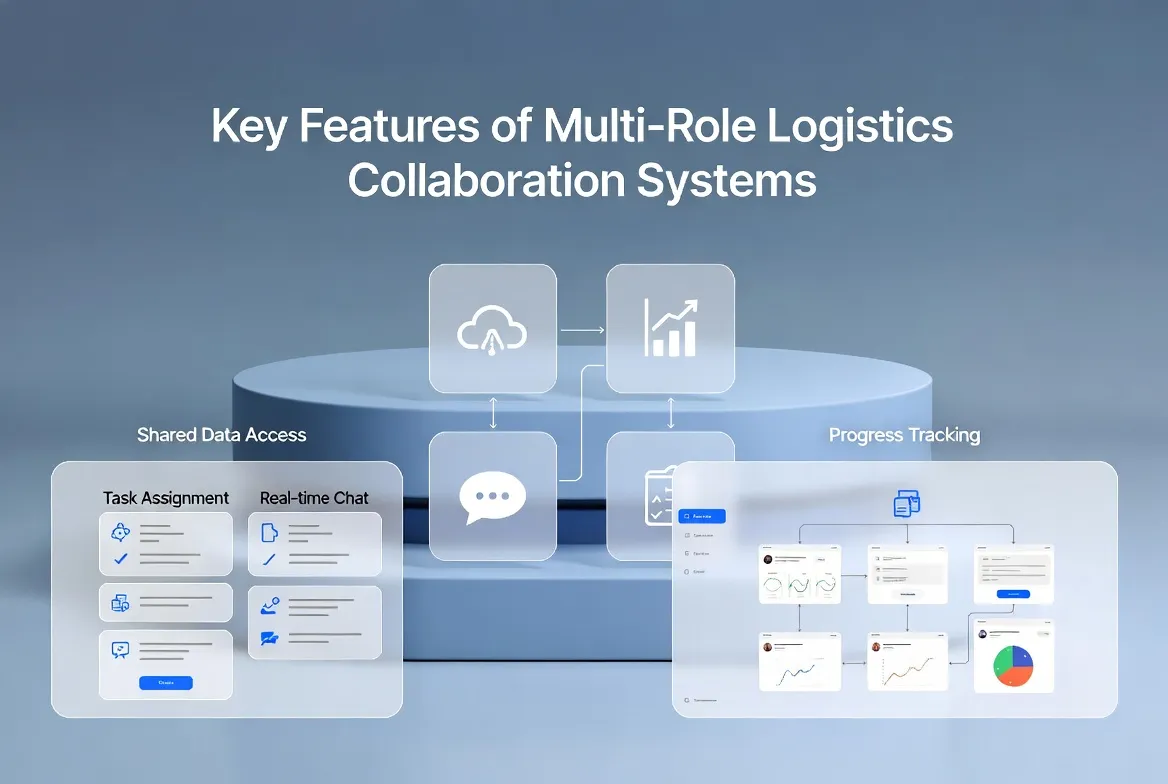
Unified tracking with milestone-based updatesMulti-role collaboration
Coordination between internal teams and external partnersAutomated workflows
Trigger-based task execution and exception managementScalable integration capabilities
Ability to connect with multiple partners and systems as neededCentralized data management
A single platform for all operational and financial data
Benefits for Logistics Companies
1. Increased Operational Efficiency
Automation reduces manual work and accelerates order processing and shipment management.
2. Improved Data Accuracy
Direct system-to-system communication minimizes errors caused by manual input.
3. Faster Response Times
Real-time data enables immediate responses to changes, delays, or exceptions.
4. Better Customer Experience
Customers receive accurate, real-time tracking information through connected platforms.
5. Enhanced Flexibility and Scalability
API-based systems allow logistics companies to quickly adapt to new business requirements and integrations.
Best Practices / Use Cases
1. E-Commerce Order Integration
Use APIs to automatically import orders from e-commerce platforms into logistics systems for fulfillment.
2. Carrier Integration
Connect with multiple carriers via APIs to receive real-time tracking updates and optimize routing decisions.
3. Financial System Integration
Synchronize operational data with ERP systems to automate billing, invoicing, and reconciliation.
4. Customer Portal Integration
Provide customers with real-time shipment visibility through API-connected tracking portals.
5. Multi-Partner Collaboration
Enable upstream and downstream partners to connect and collaborate through API-based data exchange.
Conclusion
API-based logistics operations are a cornerstone of modern logistics technology. By enabling real-time data exchange, automation, and seamless system connectivity, API-driven platforms help logistics companies improve efficiency, enhance visibility, and scale their operations effectively.
As the logistics ecosystem continues to expand, API-based systems provide the flexibility and connectivity needed to stay competitive in a fast-moving global market.
Frequently Asked Questions
What is API-based logistics software?
It is logistics software that uses APIs to enable real-time data exchange and integration between systems and platforms.
Why are APIs important in logistics operations?
They allow systems to communicate automatically, reducing manual work and improving data accuracy and efficiency.
How do APIs work in logistics systems?
APIs enable systems to send and receive data such as orders, shipment updates, and financial information in real time.
What are the benefits of API-based logistics operations?
Improved efficiency, real-time visibility, reduced errors, and scalable integration capabilities.
What systems can be connected through APIs?
ERP systems, e-commerce platforms, carrier systems, warehouse systems, and customer portals can all be connected.
About WallTech
WallTech provides digital logistics solutions built on API-driven architecture to support seamless connectivity across global supply chain ecosystems. Its platforms enable end-to-end collaboration by connecting internal teams, external partners, and multiple systems within a unified workflow. With real-time shipment visibility based on milestone tracking, logistics companies gain full transparency across operations. The system also incorporates automation capabilities such as AI-driven data recognition, workflow automation, and automated billing and reconciliation, helping businesses improve efficiency, accuracy, and scalability in API-based logistics environments.
If you're exploring ways to improve your logistics operations, feel free to connect with us to learn more about our solutions and system capabilities.