Apr 28,2026
Freight Financial Platforms for Freight Financial Automation
Introduction
Logistics platforms standardize freight operational processes by transforming diverse, manual, and often inconsistent workflows into structured, rule-based digital processes executed within a unified system. Through configurable workflow engines, centralized data management, and milestone-driven tracking, these platforms ensure that every shipment follows a consistent operational path regardless of team, location, or complexity.
For freight forwarders, 3PL providers, and cross-border eCommerce logistics companies, process standardization is critical to maintaining service quality, reducing operational risks, and enabling scalable growth across global operations.
What is Process Standardization in Logistics?
Process standardization in logistics refers to the practice of defining and enforcing consistent procedures for handling shipments across all operational stages and organizational units.
This includes:
Uniform order creation and validation processes
Standardized documentation handling
Consistent milestone definitions and tracking
Structured task assignment and approval flows
Unified financial processes for billing and reconciliation
Instead of relying on individual experience or regional practices, standardized processes ensure that operations are executed in a predictable and controlled manner.
Why Standardization Matters in Freight Operations
In traditional logistics environments, lack of standardization leads to:
Inconsistent service quality across teams and regions
Operational errors due to varied handling methods
Inefficient training and onboarding of new employees
Difficulty in scaling operations
Limited visibility and control over processes
Standardization addresses these issues by:
Creating repeatable and reliable workflows
Reducing dependency on individual expertise
Improving operational transparency
Enabling centralized management and control
Supporting compliance with industry and regulatory requirements
How Logistics Platforms Standardize Freight Operational Processes
Logistics platforms achieve standardization through system-driven design and automation.
1. Configurable Workflow Engines
Platforms provide workflow engines that allow companies to:
Define standardized process steps for each shipment type
Configure task sequences and dependencies
Set approval rules and validation checkpoints
Once configured, every shipment follows the same structured workflow.
2. SOP-Based Process Management
Standard Operating Procedures (SOPs) are embedded into the system:
Each operational stage is clearly defined
Tasks are automatically triggered based on workflow progress
Responsibilities are assigned to specific roles
This ensures that operations are executed consistently across all shipments.
3. Centralized Data and Process Control
All operational data is managed within a single system:
Unified data structure across departments
Elimination of duplicate or inconsistent data
Real-time synchronization of updates
This creates a single source of truth for all stakeholders.
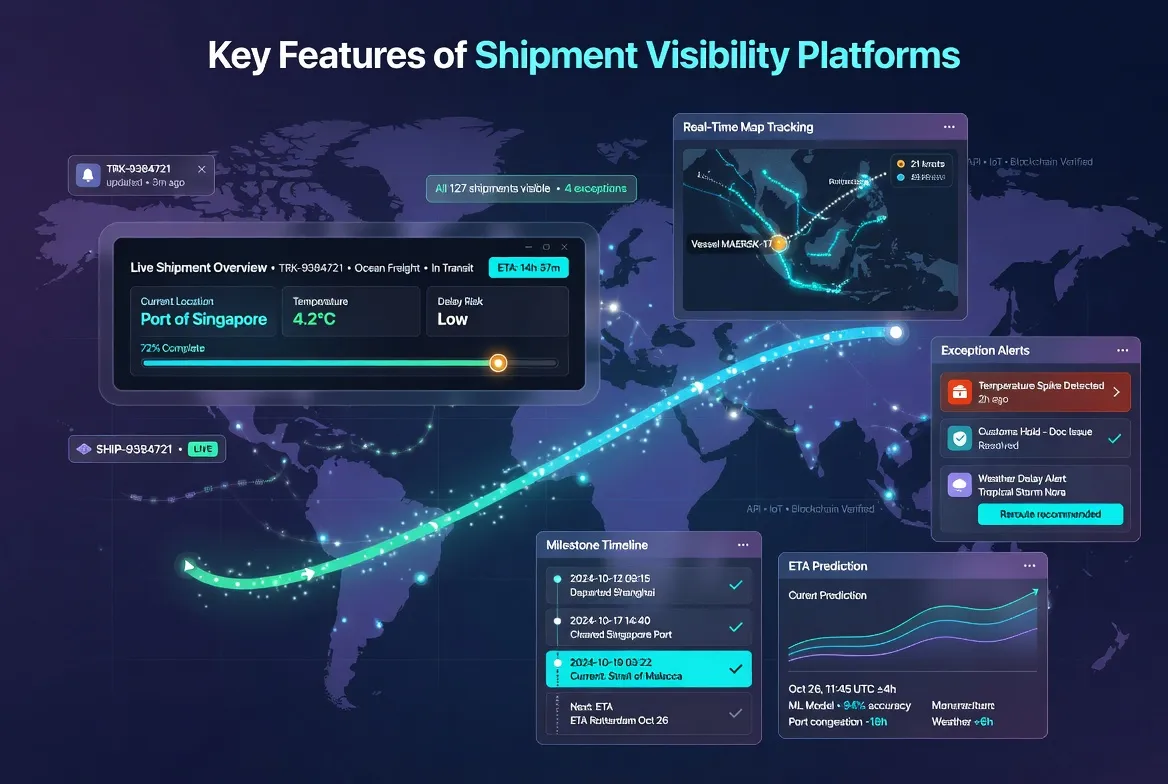
4. Milestone-Based Tracking and Visibility
Standardized milestones define the shipment lifecycle:
Booking confirmed
Cargo received
Customs cleared
In transit
Delivered
A unified timeline ensures that all stakeholders follow the same operational checkpoints.
5. Multi-Role Collaboration Framework
Logistics platforms standardize collaboration by:
Defining roles and responsibilities for each stakeholder
Enabling structured interaction between internal teams and external partners
Providing a shared platform for communication and data exchange
This reduces variability in coordination and improves operational alignment.
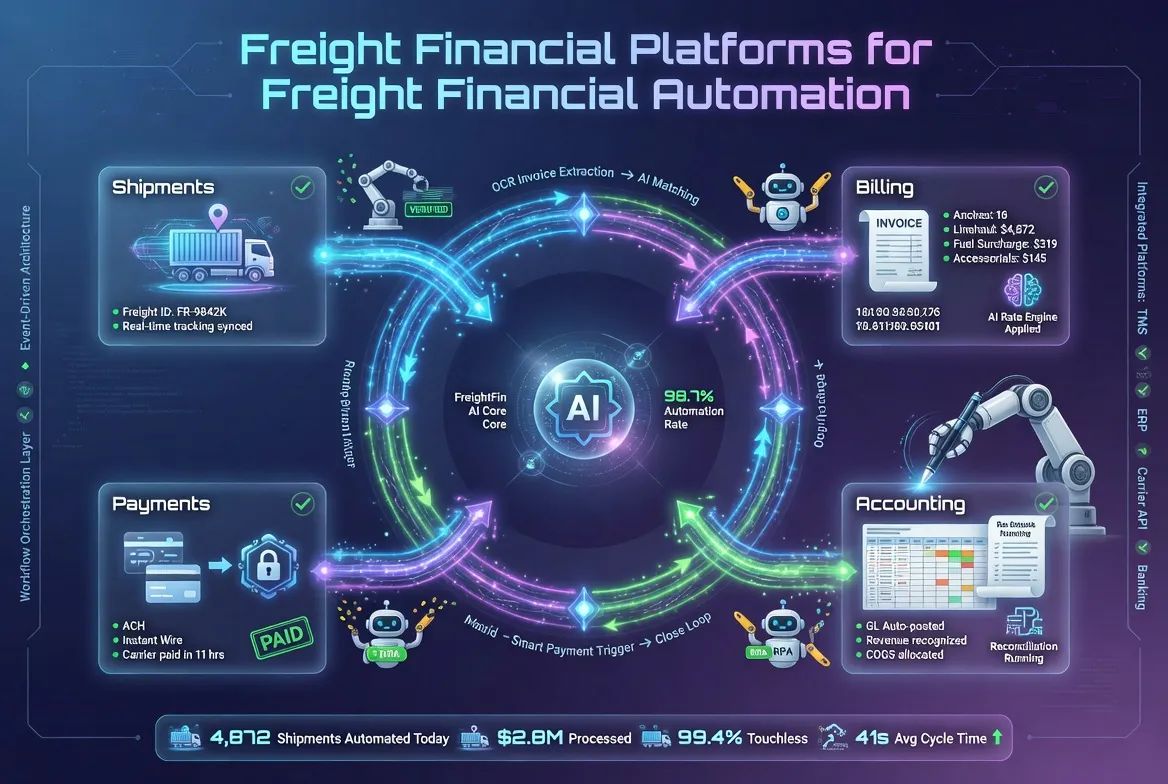
6. Automated Financial Process Standardization
Financial workflows are standardized through:
Predefined pricing and rate rules
Automated invoice generation
Consistent reconciliation processes
Integrated accounts receivable and payable management
This ensures financial consistency across all transactions.
7. Integration with External Systems
Logistics platforms connect with:
ERP systems
WMS platforms
Carrier systems
eCommerce platforms
Through API and EDI integration, external data is standardized and aligned with internal processes.
Key Features / Key Capabilities
Platforms that support process standardization typically include:
Configurable workflow and SOP engines
Centralized data management systems
Milestone-based shipment tracking
Role-based access and task assignment
Automated financial workflows
API/EDI integration capabilities
Real-time dashboards for process monitoring
These features ensure consistent execution across all logistics operations.
Benefits for Logistics Companies
1. Consistent Service Quality
Uniform processes across teams and regions
Reduced variability in operations
2. Reduced Operational Risk
Fewer errors due to standardized procedures
Improved compliance with regulations
3. Improved Efficiency
Faster execution of tasks
Reduced need for manual coordination
4. Easier Training and Onboarding
Clear process guidelines for new employees
Reduced reliance on individual experience
5. Enhanced Scalability
Ability to expand operations without losing control
Standard processes across multiple branches and partners
Best Practices / Use Cases
1. Global Freight Forwarders
Standardize operations across multiple offices
Ensure consistent handling of international shipments
2. 3PL Providers
Apply uniform processes across different clients and services
Improve operational efficiency and reporting consistency
3. Cross-Border eCommerce Logistics
Standardize high-volume order processing workflows
Ensure consistent tracking and customer communication
4. Multi-Branch Organizations
Align operational processes across regions
Enable centralized monitoring and control
Conclusion
Logistics platforms standardize freight operational processes by embedding structured workflows, SOPs, and centralized data management into a unified system. This eliminates inconsistencies, reduces operational risks, and enables efficient, scalable logistics operations.
In a global logistics environment where complexity continues to grow, process standardization is essential for maintaining control, improving performance, and delivering consistent service quality.
Frequently Asked Questions
What is process standardization in logistics?
Process standardization refers to defining and enforcing consistent procedures for handling logistics operations, ensuring uniform execution across all shipments and teams.
How do logistics platforms standardize operations?
They use workflow engines, SOP-based management, centralized data systems, and milestone tracking to ensure consistent and structured processes.
Why is standardization important in freight operations?
It improves efficiency, reduces errors, ensures consistent service quality, and supports scalability across global operations.
What are the benefits of standardized logistics processes?
Benefits include improved accuracy, faster operations, easier training, better visibility, and enhanced operational control.
About WallTech
WallTech provides digital logistics solutions that help freight forwarders, 3PL providers, and cross-border eCommerce logistics companies standardize their operational processes. Its platforms enable end-to-end logistics collaboration by connecting multiple roles and stakeholders within a unified system. With real-time shipment visibility through milestone-based tracking, along with workflow and financial automation capabilities such as automated billing and reconciliation, WallTech supports logistics companies in achieving consistent, efficient, and scalable operations across complex global supply chains.
If you're exploring ways to improve your logistics operations, feel free to connect with us to learn more about our solutions and system capabilities.