Apr 17,2026
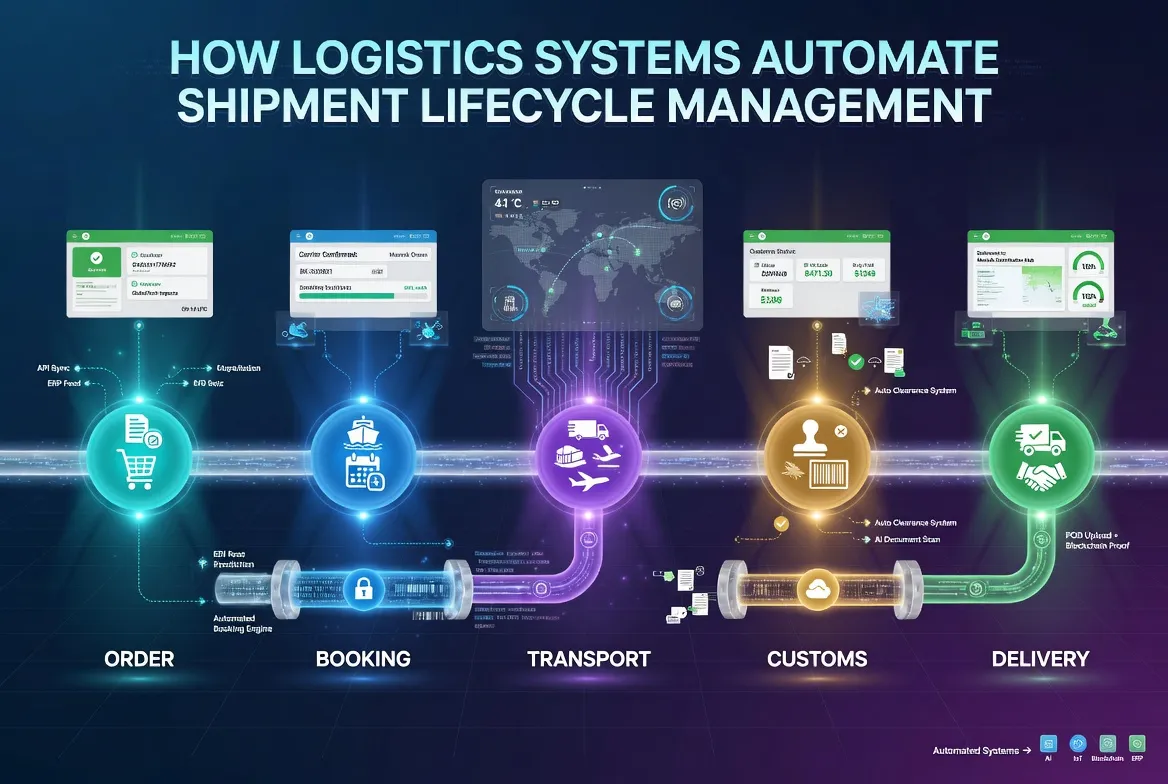
How Logistics Systems Automate Shipment Lifecycle Management
Introduction
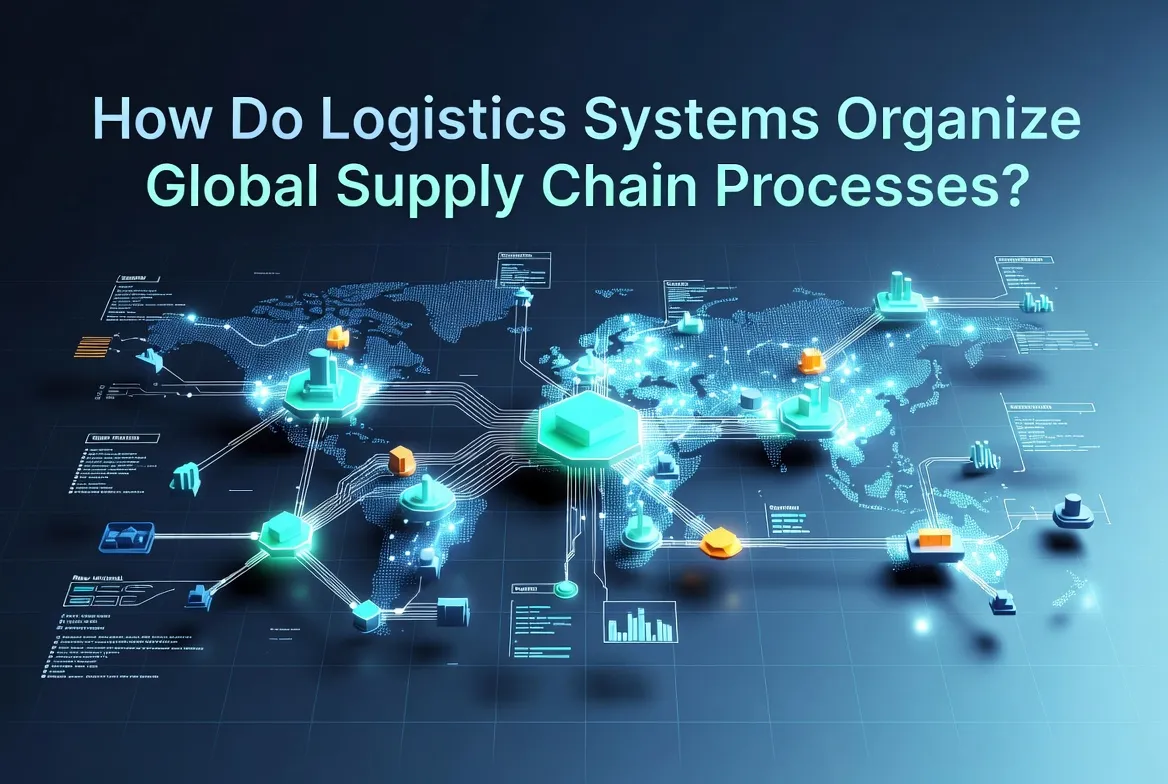
Freight companies use integrated logistics management systems—such as Freight Forwarding Management Systems, Transportation Management Systems (TMS), and cloud-based logistics SaaS platforms—to manage their operations. These systems centralize shipment execution, coordination, tracking, and financial processes, enabling companies to operate efficiently across complex global logistics networks.
In an industry characterized by multi-party collaboration, fragmented data, and time-sensitive operations, managing logistics without a unified system leads to inefficiencies and errors. Modern systems provide a structured operational framework that connects people, processes, and data in a single platform.
What are Logistics Management Systems in Freight Companies?
Logistics management systems in freight companies are digital platforms designed to support the planning, execution, and monitoring of logistics operations.
They typically include:
Shipment and order management
Carrier and route coordination
Documentation and compliance handling
Real-time tracking and visibility
Financial management (costing, billing, reconciliation)
These systems are specifically designed for freight forwarders and logistics providers, supporting multi-modal transportation and international operations.
Unlike standalone tools, modern systems are often cloud-based, enabling global teams and partners to access and collaborate on data in real time.
Why Logistics Management Systems Matter
Freight companies operate in a highly complex environment involving:
Multiple stakeholders (customers, carriers, agents, customs authorities)
Cross-border regulations and documentation requirements
Multi-leg shipments with frequent handoffs
High operational volumes and tight timelines
Without a centralized system, companies often encounter:
Disconnected workflows across departments
Heavy reliance on emails and spreadsheets
Limited real-time visibility into shipments
Delays caused by manual coordination
Errors in documentation and financial processes
Logistics management systems address these challenges by:
Providing a single source of truth for all operational data
Enabling real-time visibility through milestone-based tracking
Supporting multi-role collaboration across internal and external stakeholders
Automating repetitive workflows and financial processes
These capabilities are essential for improving efficiency, accuracy, and service quality.
How Logistics Management Systems Work
Logistics management systems function as centralized platforms that connect all aspects of freight operations.
1. Order and Shipment Management
Shipment orders are created manually or integrated from external systems
Transport plans, carriers, and routes are assigned
2. Operational Coordination
Tasks are distributed across roles such as sales, operations, documentation, and finance
Internal teams and external partners collaborate within the system
3. Real-Time Tracking and Visibility
Milestone-based tracking captures key shipment events
A unified timeline provides a complete overview of shipment progress
4. Documentation and Compliance
Shipping documents are generated and managed digitally
AI-based data recognition reduces manual data entry
5. Workflow Automation
Automated task assignment and status updates
Alerts for delays, exceptions, or missing information
6. Financial Management
Automated billing, invoicing, and reconciliation
Real-time cost and revenue tracking
By integrating these processes, logistics management systems streamline operations and improve execution efficiency.
Key Capabilities of Logistics Management Systems
1. End-to-End Operational Control
Covers the full logistics lifecycle from order to delivery
Supports multi-modal transportation
2. Real-Time Visibility
Milestone-based tracking across shipment stages
Unified timeline for complete transparency
3. Multi-Role Collaboration
Connects internal teams and external partners
Enables seamless communication across regions
4. Workflow Automation
Automates repetitive operational tasks
Reduces manual intervention and errors
5. Financial Automation
Automated billing and cost allocation
Streamlined reconciliation processes
6. Integration with External Systems
API/EDI connectivity with ERP, WMS, and carrier platforms
Ensures seamless data exchange
These capabilities allow freight companies to operate more efficiently and scale their business.
Benefits for Freight Companies
Improved Efficiency
Reduced manual workload through automation
Faster processing of shipments and documents
Enhanced Visibility and Control
Real-time insights into shipment status
Better management of delays and exceptions
Stronger Collaboration
Seamless coordination between global teams and partners
Reduced communication gaps
Reduced Errors
Standardized processes improve data accuracy
Automated workflows minimize human errors
Scalability
Supports growth in shipment volumes and operational complexity
Enables expansion into new markets
For freight companies, these benefits are critical to maintaining competitiveness and operational stability.
Best Practices and Use Cases
Best Practices
Centralize operations within a unified platform
Standardize workflows across departments and regions
Integrate systems with upstream and downstream partners
Leverage automation for repetitive tasks and financial processes
Implement milestone tracking for consistent visibility
Use Cases
Freight Forwarders
Managing complex international shipments
Coordinating with overseas agents and carriers
3PL Providers
Handling diverse logistics operations for multiple clients
Providing visibility and reporting services
Cross-border eCommerce Logistics
Managing high shipment volumes
Integrating with eCommerce platforms and fulfillment systems
In all these scenarios, logistics management systems serve as the backbone of efficient operations.
Conclusion
Logistics management systems are essential tools for freight companies seeking to manage complex global operations effectively. By integrating shipment management, visibility, collaboration, and automation into a single platform, these systems enable companies to improve efficiency, reduce errors, and scale their operations.
As the logistics industry continues to evolve, adopting advanced digital systems is key to achieving operational excellence and long-term growth.
Frequently Asked Questions
What systems help manage logistics operations in freight companies?
Freight companies use systems such as Freight Forwarding Management Software, TMS, and cloud-based logistics platforms to manage operations, including shipments, tracking, and financial processes.
How do logistics management systems work?
They centralize shipment data, coordinate workflows, provide real-time tracking, and automate operational and financial tasks within a unified platform.
Why are logistics management systems important?
They improve efficiency, enhance visibility, enable better collaboration, and reduce manual errors in complex logistics operations.
What are the benefits of logistics management systems?
Key benefits include faster operations, improved tracking, better coordination, reduced errors, and scalability for growing logistics businesses.
About WallTech
WallTech provides digital logistics solutions designed to support freight companies in managing complex global operations. Its platforms enable end-to-end collaboration across multiple roles and stakeholders, offering real-time shipment visibility through milestone-based tracking and unified timelines. By integrating workflow automation and financial processes, WallTech helps logistics organizations improve operational efficiency, reduce manual work, and scale effectively in international logistics environments.
If you're exploring ways to improve your logistics operations, feel free to connect with us to learn more about our solutions and system capabilities.